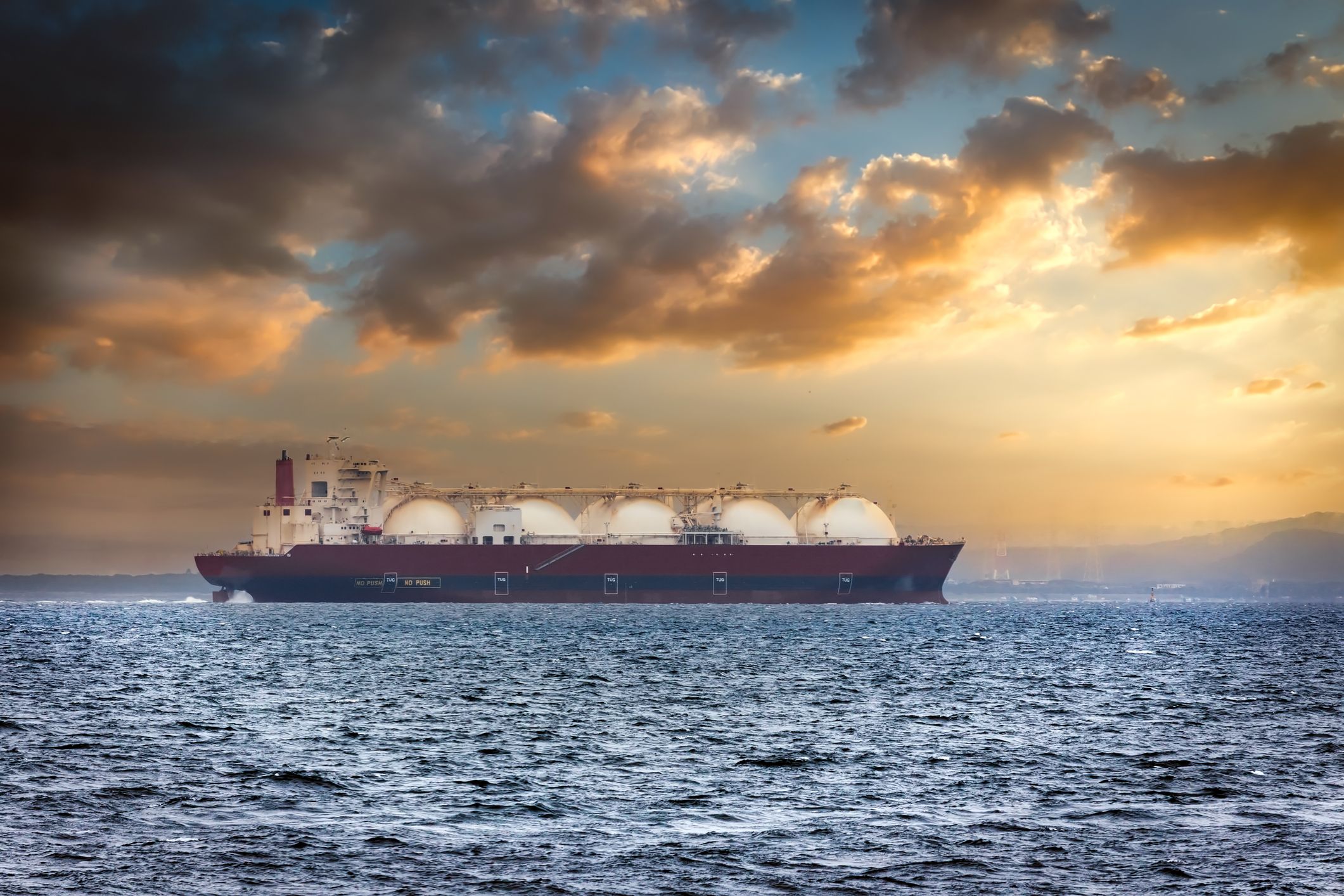
Last year, the global market handled 422 million tons of liquefied natural gas, a volume Shell expects to reach nearly 700 million tons annually within the next three decades. While the company initially anticipated a significant jump in trade for 2026, the ongoing conflict in the Middle East has effectively neutralized that growth. By cutting off a fifth of the world’s monthly supply, the crisis triggered record-high spot prices and forced price-sensitive buyers in Asia to retreat.
Market performance for the remainder of the year hinges on the restoration of transit routes. Qatar, the world’s second-largest exporter, is currently staging tankers to resume full capacity shipments once conditions stabilize. Sheikh Mohammed bin Abdulrahman al-Thani, Qatar’s Prime Minister, confirmed that production facilities are nearing normal operation, provided the maritime corridor remains open. Cederic Cremers, President of Integrated Gas at Shell, emphasized that while the industry has absorbed a system-wide shock, sustaining this long-term outlook requires sustained investment in infrastructure to ensure LNG remains a viable stabilizing force in global energy.


Comments (0)
No comments yet. Be the first!