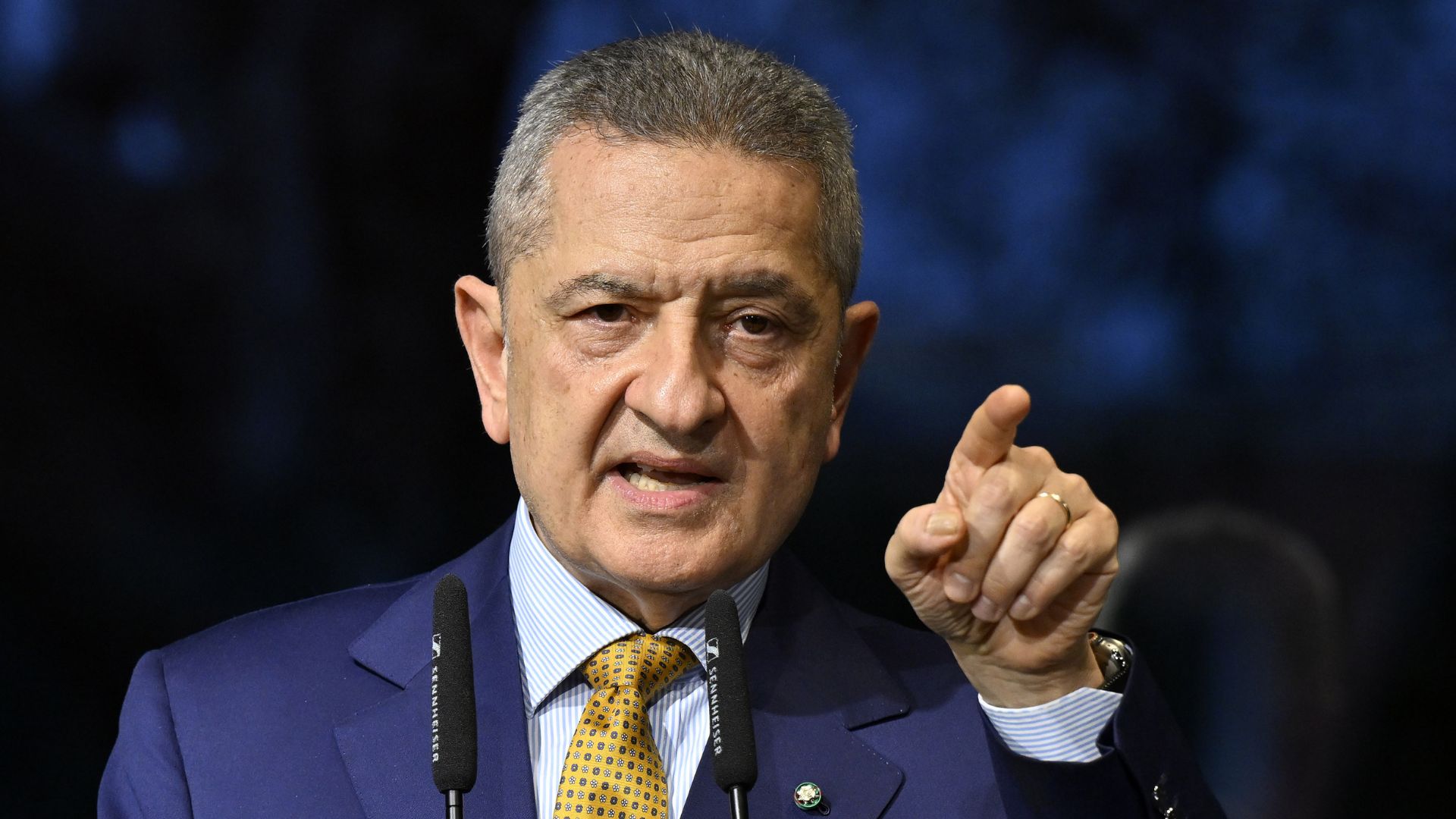
Panetta argues that the current economic landscape—defined by geopolitical fragmentation, AI, and demographic shifts—demands a flexible approach rather than a rigid commitment to a predetermined policy path. While the ECB became the first major central bank to raise interest rates in response to the recent energy shock, he emphasizes that the underlying conditions differ significantly from previous years. Demand is currently weaker, and real interest rates stand higher than they did during the last period of extreme volatility.
The policymaker highlighted that the ECB’s June decision was designed to remain robust across multiple potential scenarios, a necessary strategy when navigating uncertainty. He specifically pointed to the potential for lower energy prices should ongoing negotiations between the U.S. and Iran yield results, which could deviate from the bank's previous projections. As inflationary risks compete with concerns over growth, Panetta insists that the ECB must maintain constant vigilance over energy markets, supply chains, and wage expectations to avoid miscalculating the impact of the ongoing 'Great Reconfiguration' of the global economy.




Comments (0)
No comments yet. Be the first!