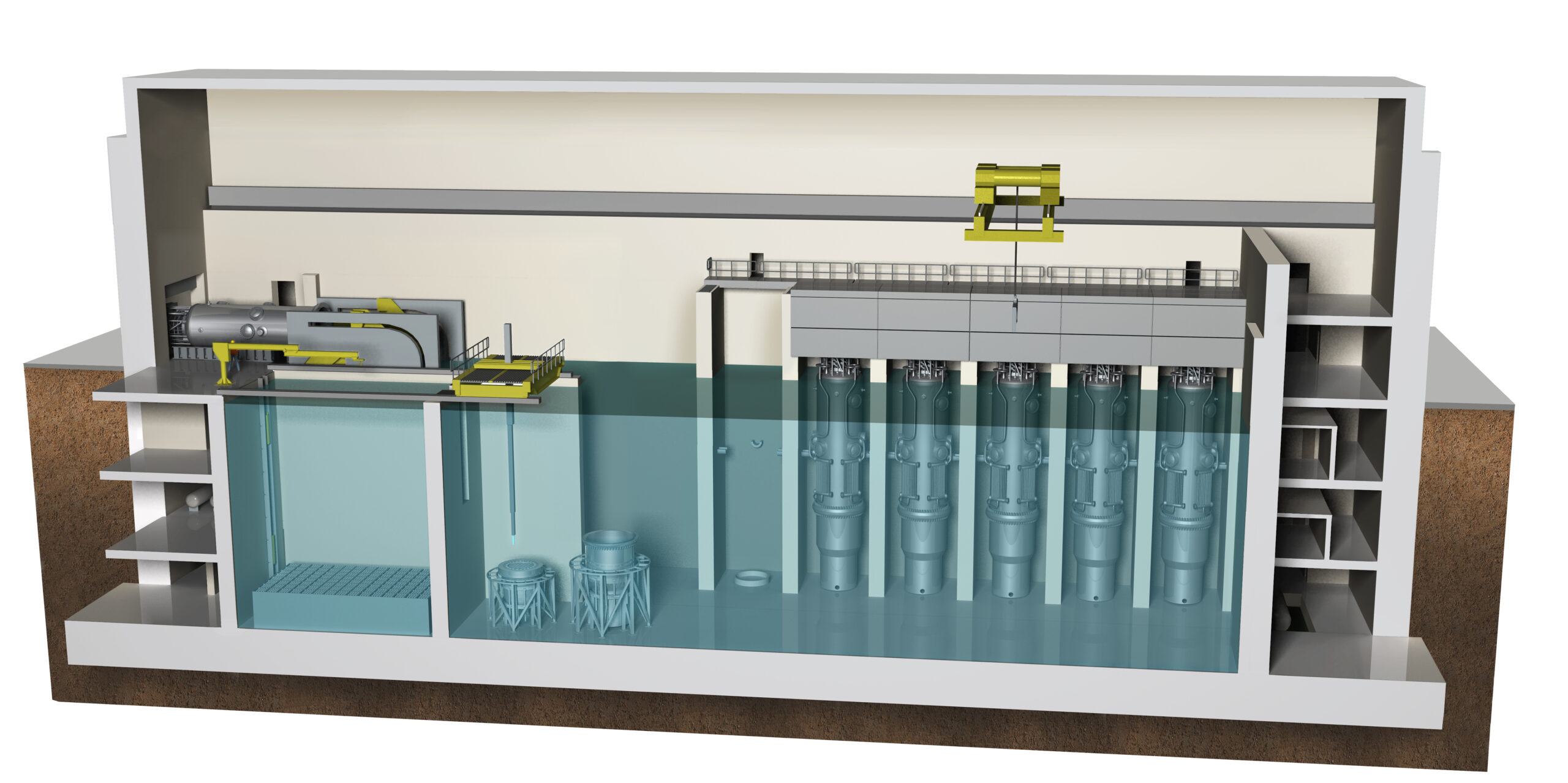
California-based Deep Fission claims this gravity-assisted design could slash operational costs by up to 80 percent compared to conventional fission reactors. By placing the reactor at extreme depths, the surrounding column of water naturally provides 160 atmospheres of pressure, eliminating the need for complex external cooling systems. Mark Pérès, the company's Chief Nuclear Officer, stated that the successful delivery of the hardware validates both their engineering design and supply chain capabilities.
This initiative aligns with a broader federal push to accelerate advanced nuclear technologies amid surging energy demands driven by artificial intelligence. While the project benefits from the Department of Energy’s Reactor Pilot Program, it highlights a deepening divide in national energy policy. Critics argue that prioritizing unproven modular designs may distract from the urgent need to expand existing large-scale reactor capacity. Despite executive mandates aimed at sparking a domestic nuclear renaissance, industry observers remain skeptical about whether these experimental efforts can deliver meaningful grid-scale results in the near term.


Comments (0)
No comments yet. Be the first!