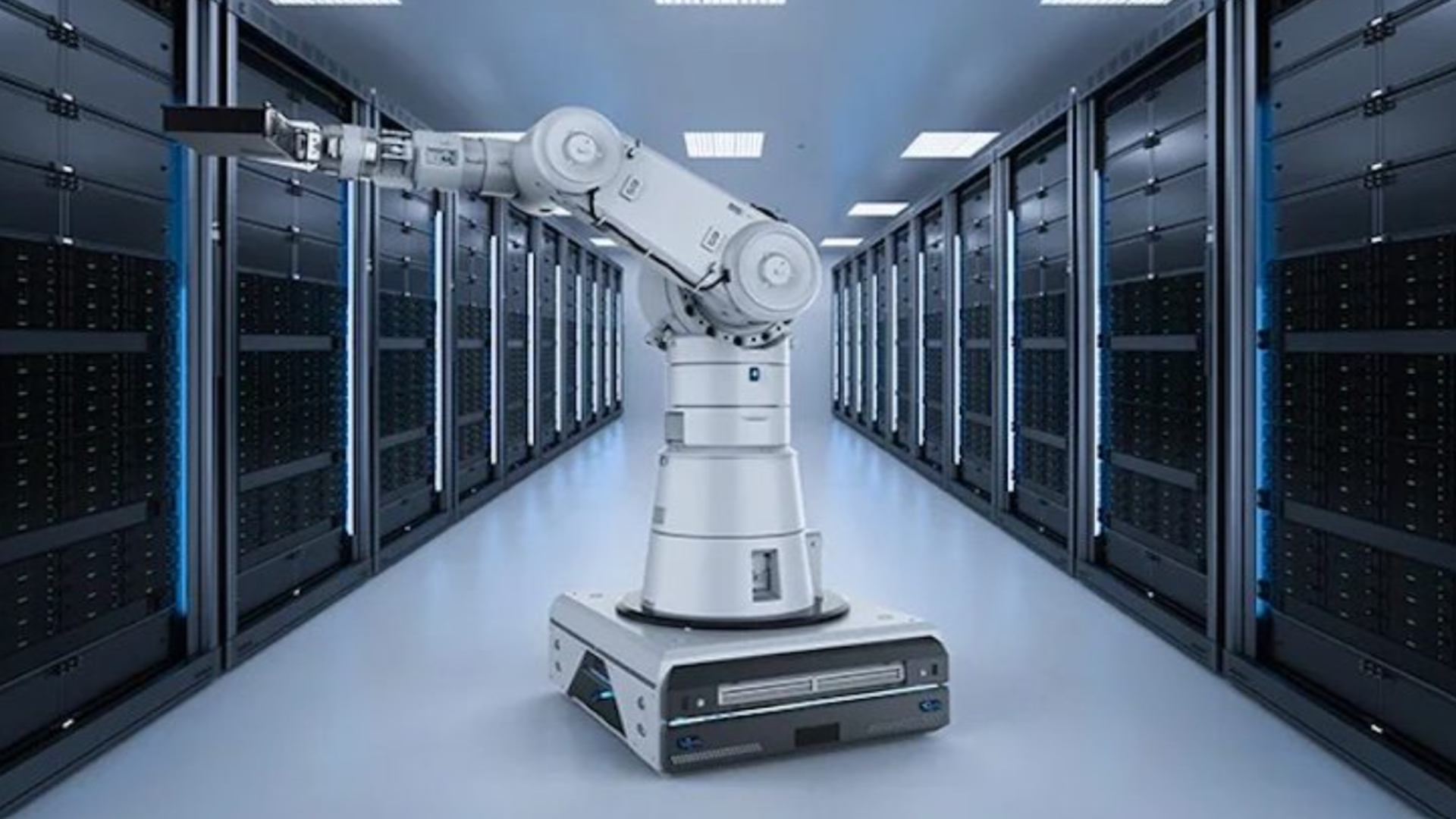
The drive toward fully automated infrastructure is largely fueled by the demands of modern AI-driven operations. As rack densities climb and facilities grow in scale, operators are increasingly turning to robotic systems to handle routine tasks such as asset monitoring, security patrols, and thermal inspections. By offloading these repetitive functions to autonomous fleets, companies aim to reduce manual errors and minimize technician exposure to high-risk environments.
Software integration has emerged as the critical backbone of this transition. Modern deployments are no longer just about hardware; they require seamless orchestration between robots and existing building management systems, digital twins, and IT service management tools. North America currently leads this adoption curve with a 40.05% market share, followed by Europe and the Asia-Pacific region, where new greenfield constructions are increasingly designed with robotic workflows in mind from the outset.
Despite the clear growth trajectory, the sector faces significant technical hurdles. Many legacy data centers were not built to accommodate autonomous machines, with narrow aisles and complex layouts often impeding sensor accuracy and navigation. Furthermore, the necessity for robust cybersecurity and secure remote access remains a primary concern for operators, who require stringent governance before integrating these platforms into their critical uptime workflows.



Comments (0)
No comments yet. Be the first!