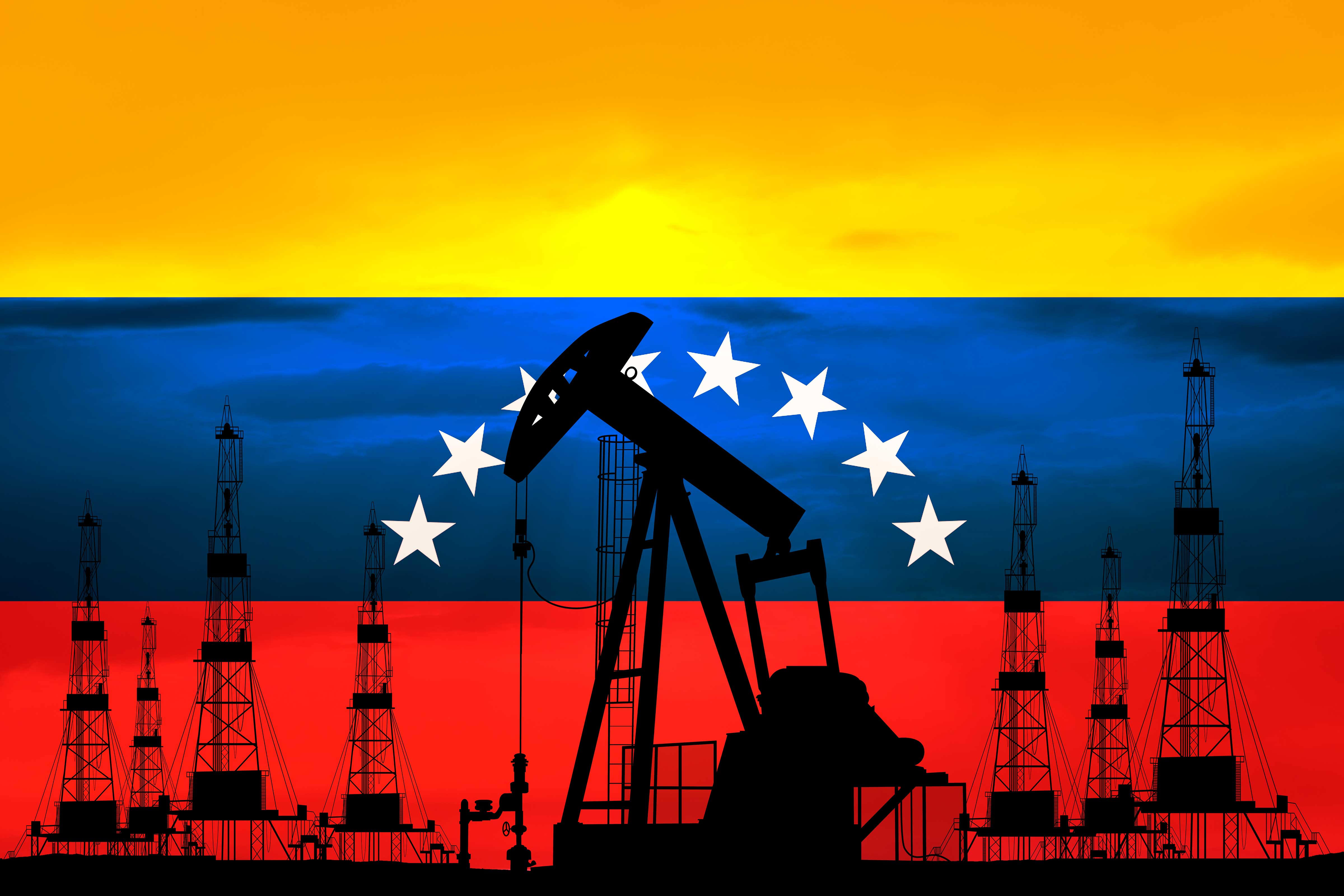
Rystad Energy projects a 17% increase in crude output, or roughly 194,000 barrels per day, between late 2025 and 2028. This recovery relies almost entirely on existing assets rather than new exploration, with the Orinoco Oil Belt expected to generate 60% of total supply. To meet these targets, international majors including Chevron, Repsol, and Eni are prioritizing brownfield optimization and infill drilling over high-risk greenfield projects.
However, the path to sustained growth is paved with logistical hurdles. The Venezuelan Oil Ministry estimates that 93 active drilling rigs will be required by 2028, a sharp rise from current levels that necessitates the refurbishment of idle fleets and the arrival of international equipment. This demand for oilfield services has created a critical execution gap. While local contractors have begun mobilizing, global service providers remain hesitant, weighing the potential for renewed activity against the lingering risks of fiscal instability and operational complexity.
Beyond hardware, the sector’s trajectory hinges on the government's ability to refine its fiscal framework. Investors are calling for further adjustments to royalty rates and taxation to lower project breakeven costs. Ultimately, the success of the 2026 Hydrocarbons Law depends on whether the state can maintain the momentum of sanctions relief and provide the stability required to justify the massive capital commitments needed to rebuild the country's decaying infrastructure.



Comments (0)
No comments yet. Be the first!