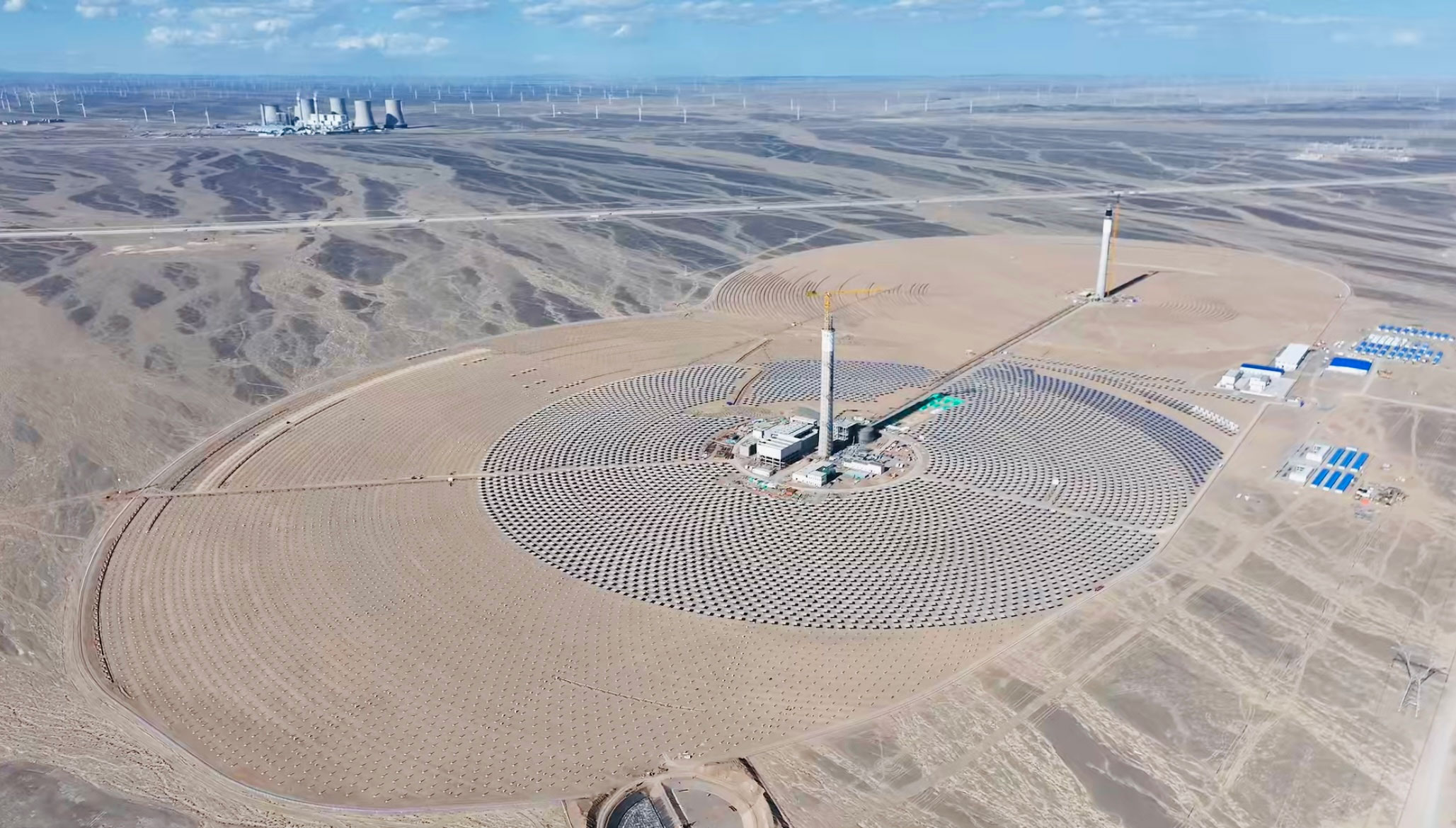
The facility in Xinjiang marks a significant departure from the industry-standard reliance on lithium-ion batteries. While lithium-ion systems are effective for short-duration peak shaving, their four-hour capacity limitation often leaves gaps in grid stability. The Hami project utilizes molten salt thermal batteries capable of holding energy for up to eight hours, offering a more robust solution for long-duration storage without the environmental and geopolitical complexities associated with lithium supply chains.
Project director Niu Jianle described the plant as a landmark transition, moving concentrated solar power technology from laboratory research into large-scale commercial application. As global oil markets face volatility and supply chain disruptions—most notably in the Strait of Hormuz—the strategic shift toward domestic, non-embargoable renewable infrastructure is accelerating. The success of this installation has already prompted further industrial expansion, with China Energy Engineering Corp currently constructing an even larger hybrid facility in the region.


Comments (0)
No comments yet. Be the first!