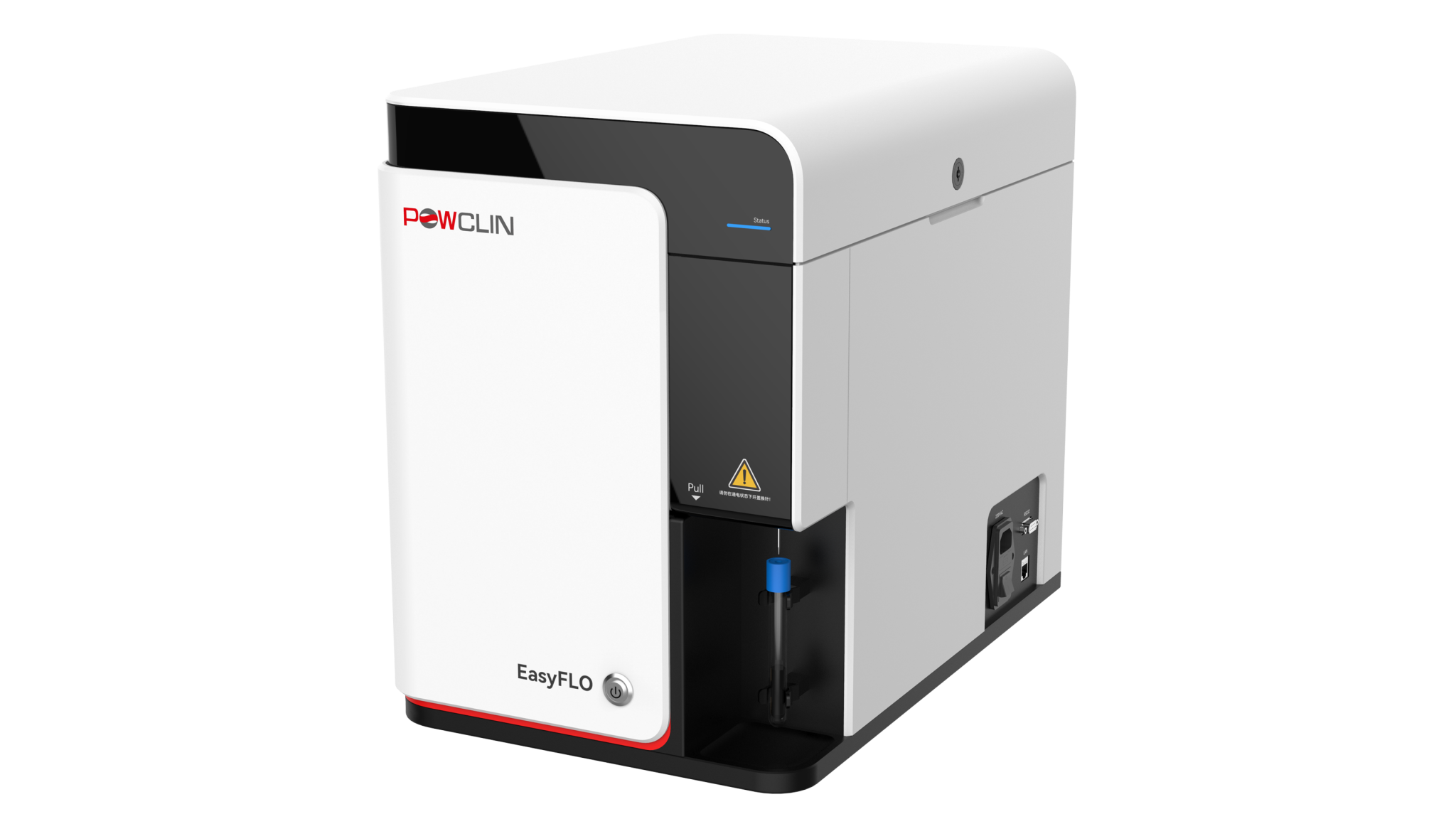
The assay allows for the simultaneous interrogation of 18 markers within a single tube, requiring significantly less specimen volume than conventional flow cytometry. This capability is vital for analyzing bone marrow samples, which are often difficult to obtain. According to David Ng, medical director of Hematopathology, the technology can detect as few as 14 neoplastic cells in a population of 5 million with 95% confidence.
Minimal residual disease (MRD) status serves as a key indicator for treatment efficacy and patient prognosis, as higher levels of residual cells correlate strongly with a risk of relapse. Madhu Menon, head of clinical operations for Hematopathology, noted that the increased sensitivity of this technique will identify a subset of patients previously categorized as MRD negative. This earlier detection of disease reemergence aims to facilitate more timely clinical interventions for the approximately 202,000 individuals currently living with the condition in the United States.




Comments (0)
No comments yet. Be the first!