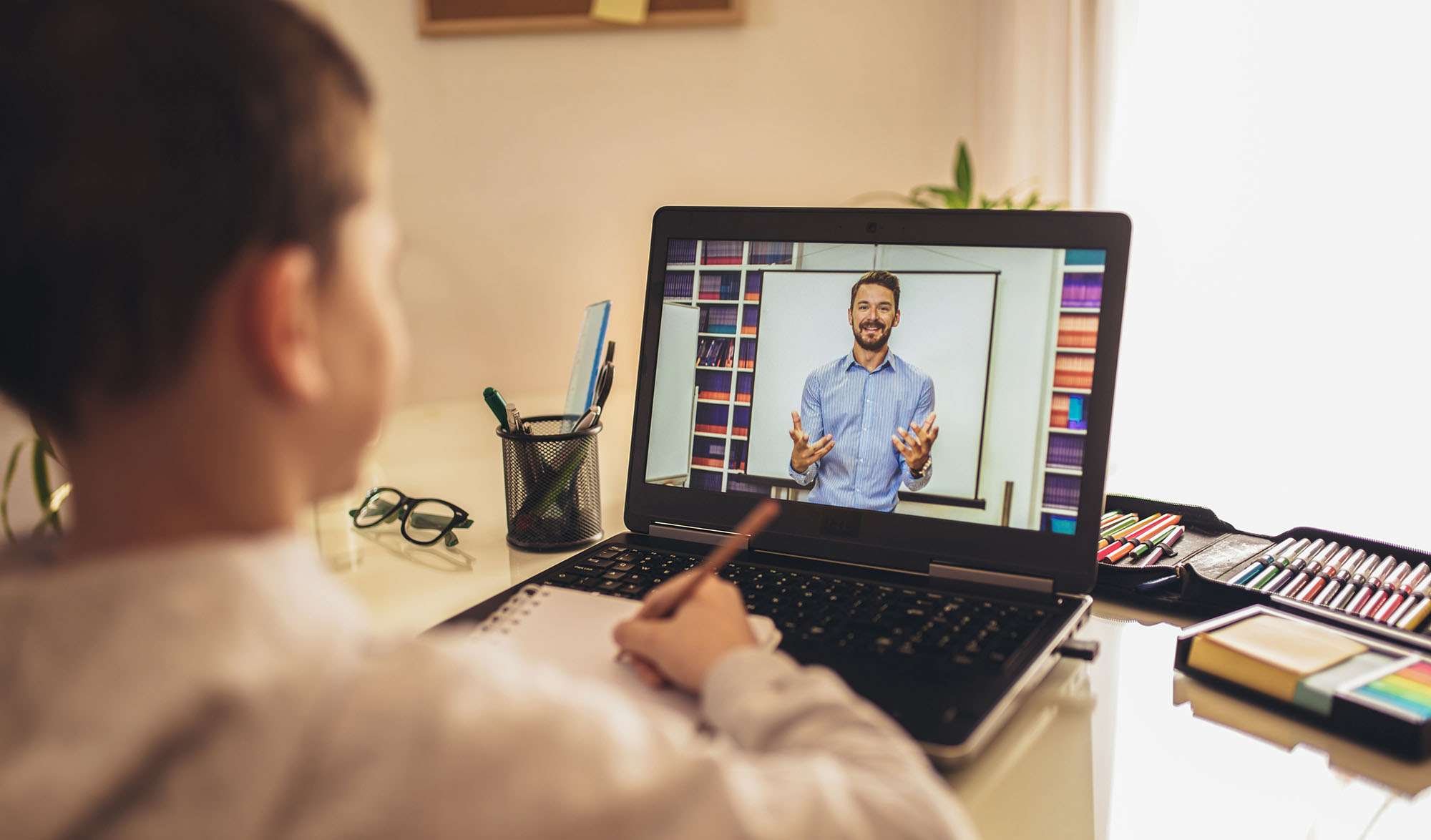
The transition to virtual education demands more than academic focus; it requires the cultivation of a professional mindset. Without the immediate presence of an instructor, students must take direct ownership of their schedules. This autonomy fosters essential life skills, including the ability to track complex assignments, meet self-imposed deadlines, and balance coursework with personal obligations. These habits mirror the realities of modern, remote-work environments where output is valued over presence.
Communication in a digital-first world serves as another critical pillar of this educational model. Students must articulate ideas clearly through discussion boards, video calls, and collaborative cloud-based platforms. Dunbar notes that this environment necessitates professional-grade digital fluency, as students regularly navigate sophisticated learning management systems and troubleshooting technical hurdles. This constant engagement with technology provides a distinct advantage, as it aligns with the baseline expectations of contemporary college programs and employers.
Beyond technical proficiency, the virtual format acts as a laboratory for soft skills like collaboration and leadership. Through group projects managed across distances, students learn to delegate tasks, respect diverse perspectives, and maintain accountability without face-to-face interaction. This shift in dynamic encourages students to take initiative, often stepping into roles as peer mentors or project organizers. Ultimately, the flexibility of online learning acts as a training ground for self-awareness, allowing students to identify their own peak productivity hours and learning styles—a level of maturity that eases the transition to adulthood.




Comments (0)
No comments yet. Be the first!