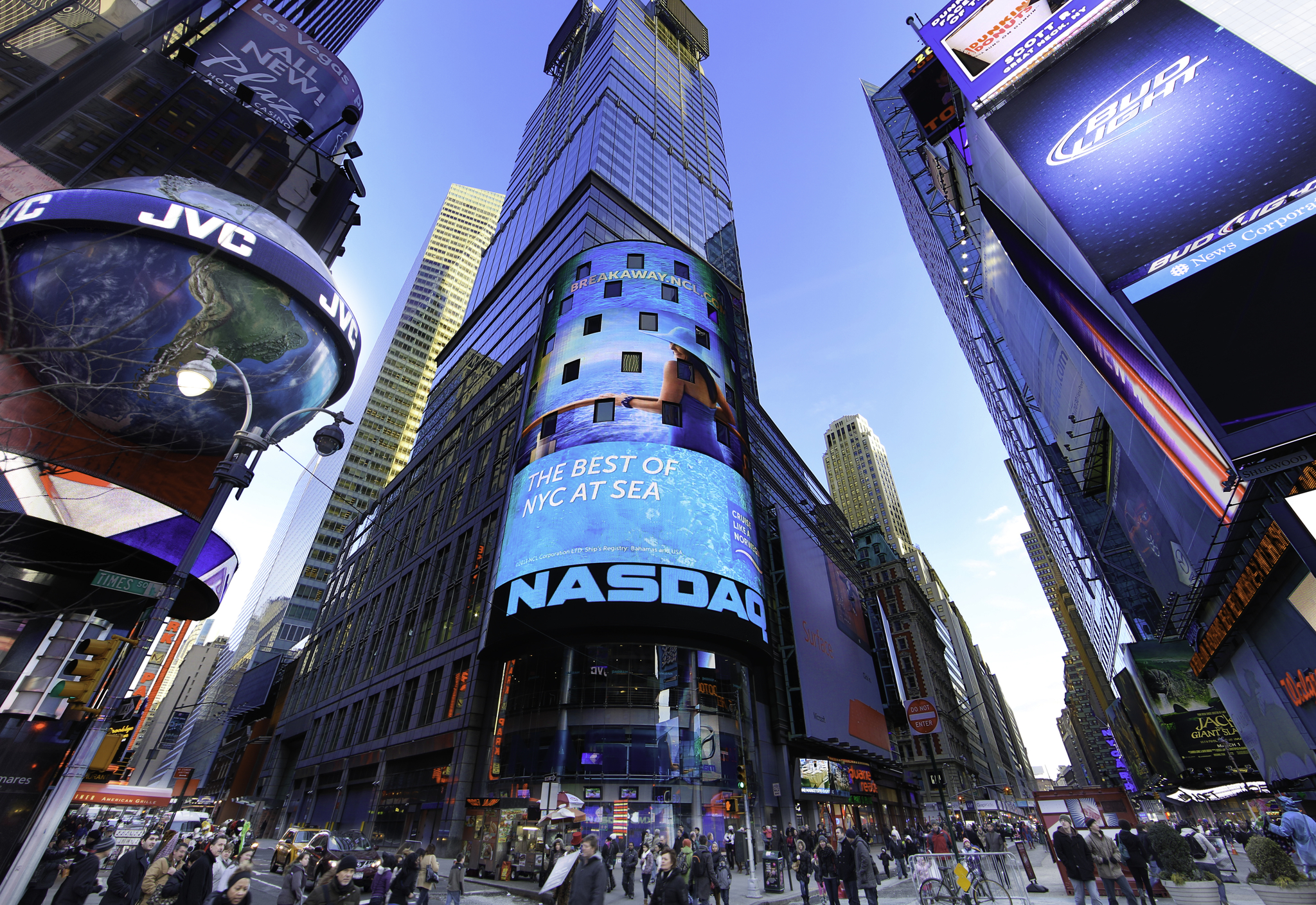
What happened. — The legal action follows a sharp reversal in investor sentiment. PicS N.V. debuted on the Nasdaq at $19 per share in January 2026, driven by high demand and claims of proprietary AI-driven underwriting. However, the stock price plummeted to below $9 by June, marking a loss of more than 52% for early shareholders. The complaint centers on a December 2025 internal review that allegedly identified fundamental flaws in the bank’s credit procedures, including the reclassification of R$590 million in loans from Stage 2 to Stage 3. This critical data was reportedly omitted from the IPO offering documents.
Why it matters. — The discrepancy between the company’s growth narrative and its internal risk metrics has triggered serious allegations of misleading disclosures. While the firm initially touted a Stage 3 loan formation rate of 3.6%, subsequent filings revealed this figure had nearly doubled to 7.1% just before the IPO. By the first quarter of 2026, that rate ballooned further to 13%. Joseph E. Levi of Levi & Korsinsky, the firm representing the class, argues that the concealment of these internal credit deteriorations caused substantial harm to shareholders who relied on representations of stable, high-accuracy underwriting.




Comments (0)
No comments yet. Be the first!