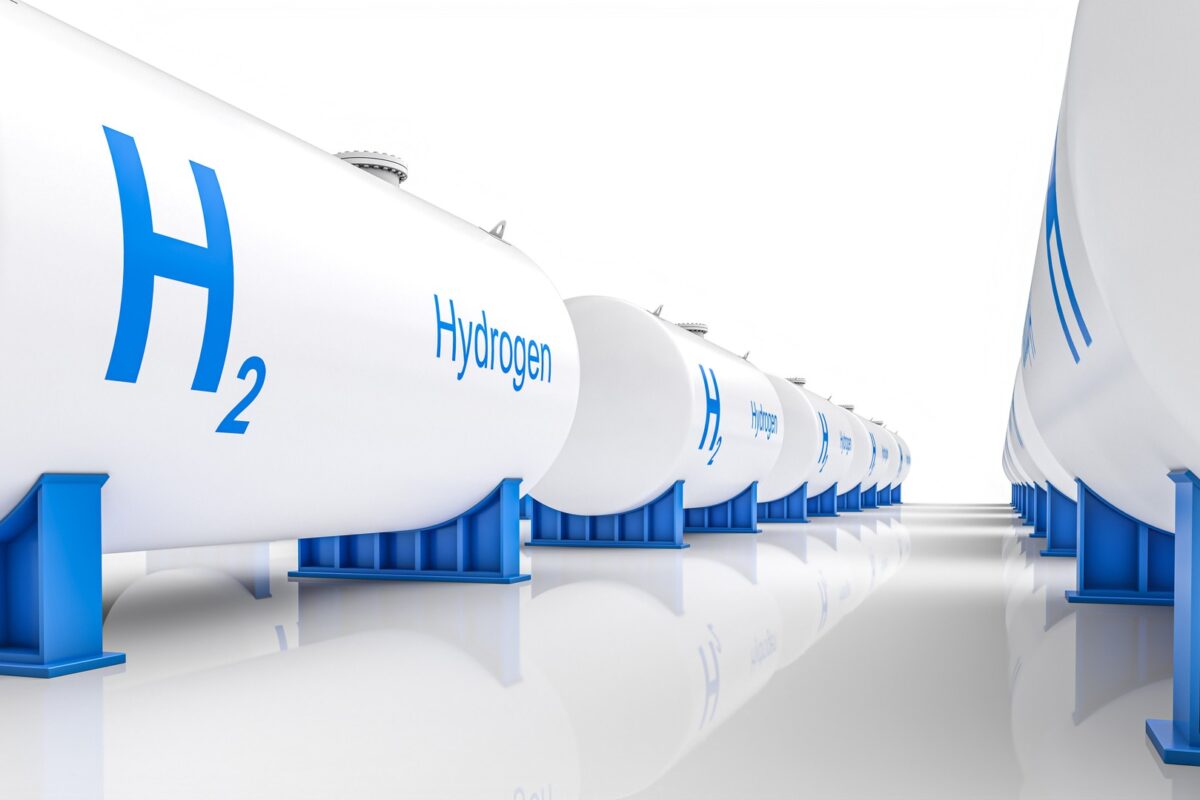
The process, detailed in the journal PNAS, utilizes a single reactor to convert common plastics—including polyethylene terephthalate, polyethylene, and polypropylene—into high-purity hydrogen. By applying a heat trigger, the technique operates without carbon emissions, bypassing the need for labor-intensive plastic sorting. Ah-Hyung “Alissa” Park, a professor at UCLA’s Samueli School of Engineering, noted the technology provides a scalable approach to addressing two distinct environmental challenges simultaneously.
This development arrives as the energy sector pivots back toward hydrogen despite a difficult 2023, where less than 7% of planned global projects reached completion. Recent innovations, including a separate method for extracting hydrogen from agricultural waste at a competitive cost of $1.54 per kilogram, are challenging the dominance of fossil-fuel-derived 'gray' hydrogen. As oil market volatility drives nations to seek energy security, these research breakthroughs suggest that hydrogen may finally overcome the economic and efficiency hurdles that previously stalled its commercial viability.




Comments (0)
No comments yet. Be the first!