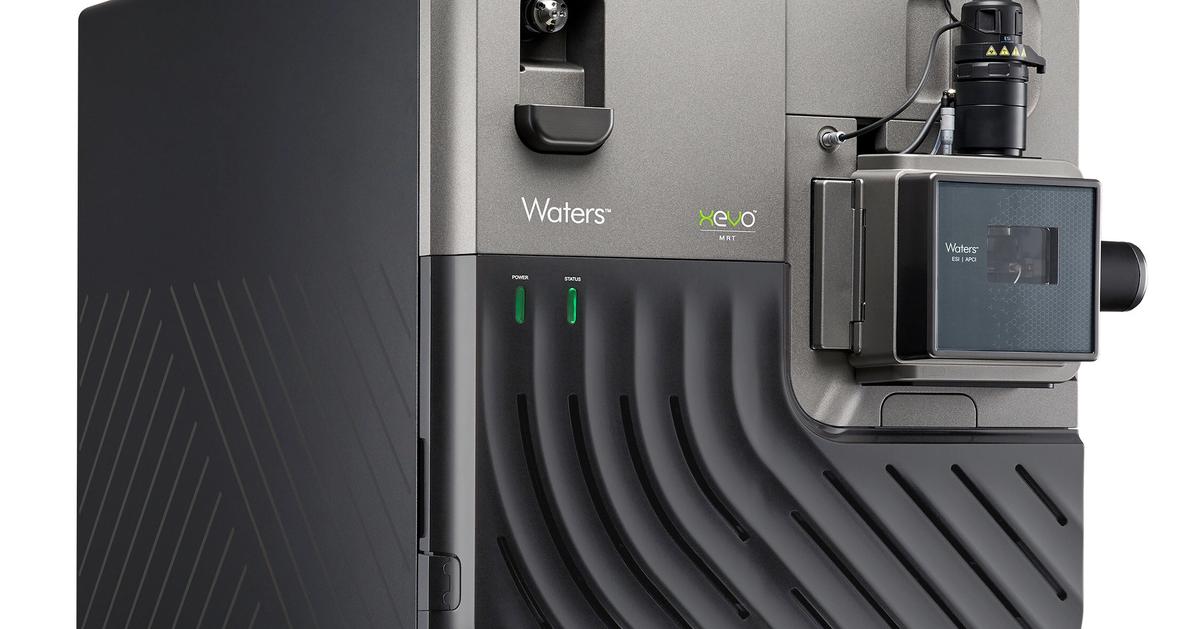
The new hardware integrates the StepWave XR Ion Guide, which the company claims provides up to six times greater robustness than its predecessor. By maintaining consistent ion ratios over extended periods, the system reduces the maintenance downtime typically associated with analyzing challenging clinical samples containing high levels of salts or phospholipids. This stability is designed to assist laboratories in achieving reliable results when operating near critical decision cut-offs.
James Nutt, head of laboratory operations at Cansford Laboratories, noted that the improved signal stability is particularly valuable for complex matrices like human hair. The system is bundled with the ACQUITY UPLC I-Class PLUS, creating an integrated platform for high-volume testing environments. Waters is positioning the device as a primary tool for detecting low-concentration analytes, such as estradiol for hormone-related cancer assessments, where precision is essential for clinical decision-making.



Comments (0)
No comments yet. Be the first!