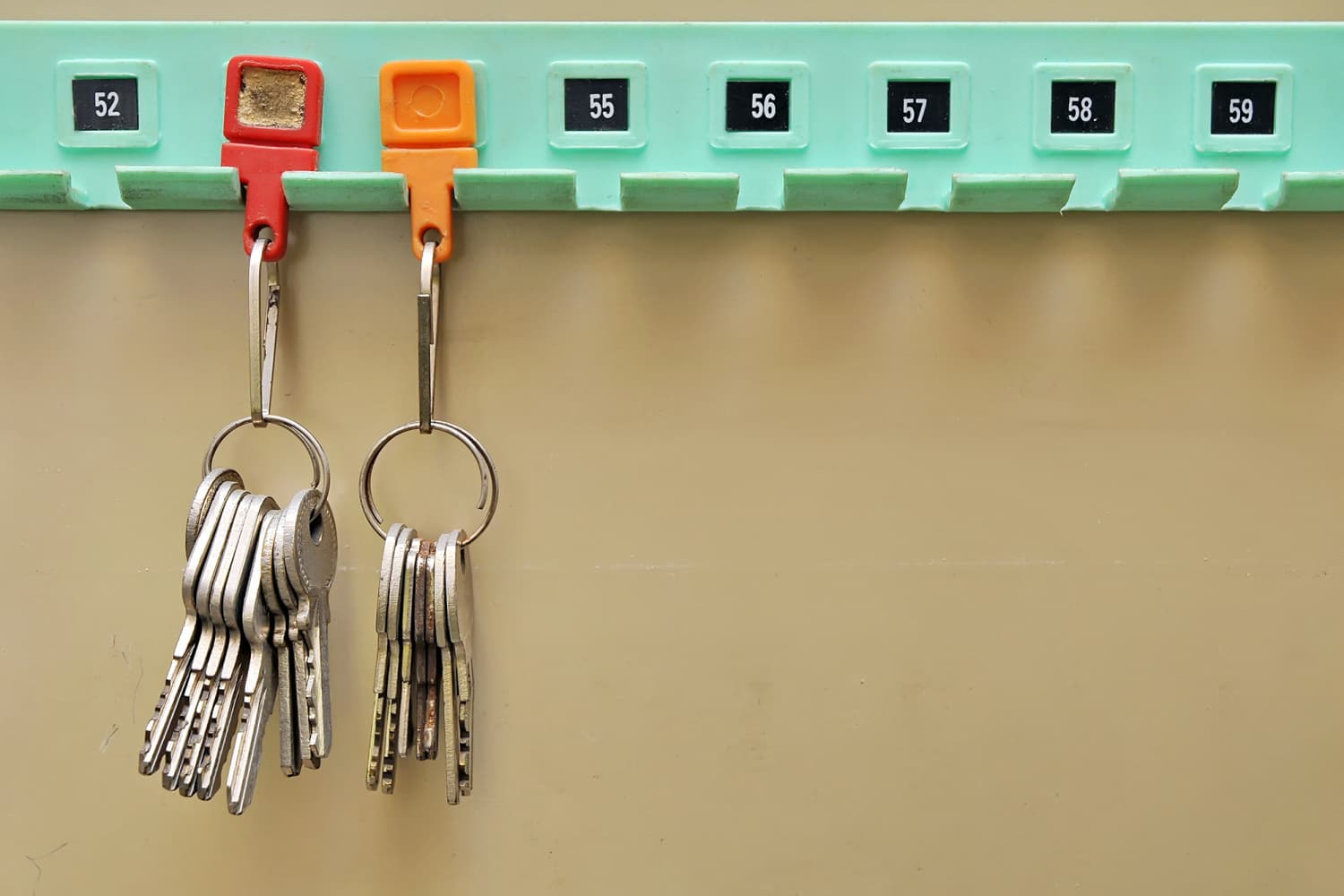
The primary indicator that professional intervention is needed often manifests as a decline in personal time, where maintenance coordination, tenant disputes, and financial tracking begin to encroach on family and professional commitments. Managing emergency repairs, in particular, demands a level of responsiveness that can be difficult for independent owners to sustain while maintaining the property’s long-term condition.
Financial and regulatory complexity also drive the need for expert oversight. Consistent rent collection, accurate record-keeping, and evolving local housing laws require rigorous, documented systems. As property portfolios expand, the risk of non-compliance grows, making standardized management a vital tool for risk mitigation. Pulliam notes that distance is another critical factor; owners who reside outside their investment area often face significant logistical challenges, as the inability to conduct local inspections or oversee repairs can jeopardize the asset's value. Ultimately, transitioning to professional management allows owners to shift their focus from daily troubleshooting to broader investment strategy.




Comments (0)
No comments yet. Be the first!