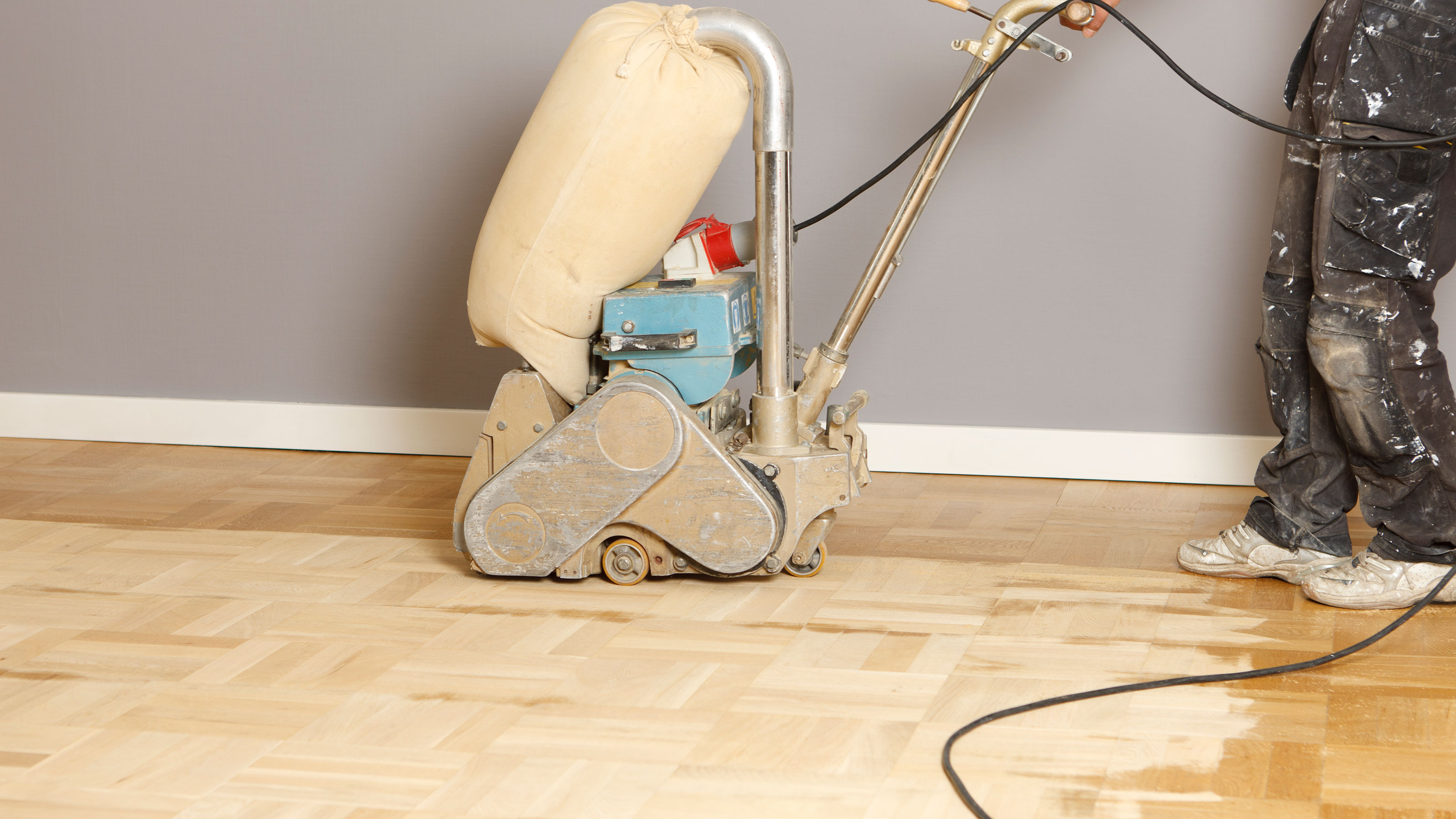
The restoration process centers on two critical phases: aggressive sanding and precise finishing. Sanding serves as the foundation, stripping away years of wear and leveling the boards to ensure the final sealant bonds correctly. Branham emphasizes that the condition of the wood dictates the scope of this work; deep gouges or uneven surfaces often require multiple passes to achieve a clean substrate. Failure to adequately prep the surface compromises the integrity of the finish, which is the primary defense against South Carolina’s pervasive humidity.
Beyond the mechanical labor, homeowners must manage their expectations regarding the environment. Even with modern dust-containment technology, the work remains disruptive, requiring residents to adjust their routines during the curing period. Humidity levels play a significant role in how the finish sets, making stable indoor conditions essential for long-term durability. Furthermore, because every sanding session removes a sliver of the wood's thickness, the history of the floor limits how many times it can be restored. Clear communication with contractors about these limitations and the necessary drying times ensures that the finished result meets both aesthetic goals and practical performance standards.




Comments (0)
No comments yet. Be the first!