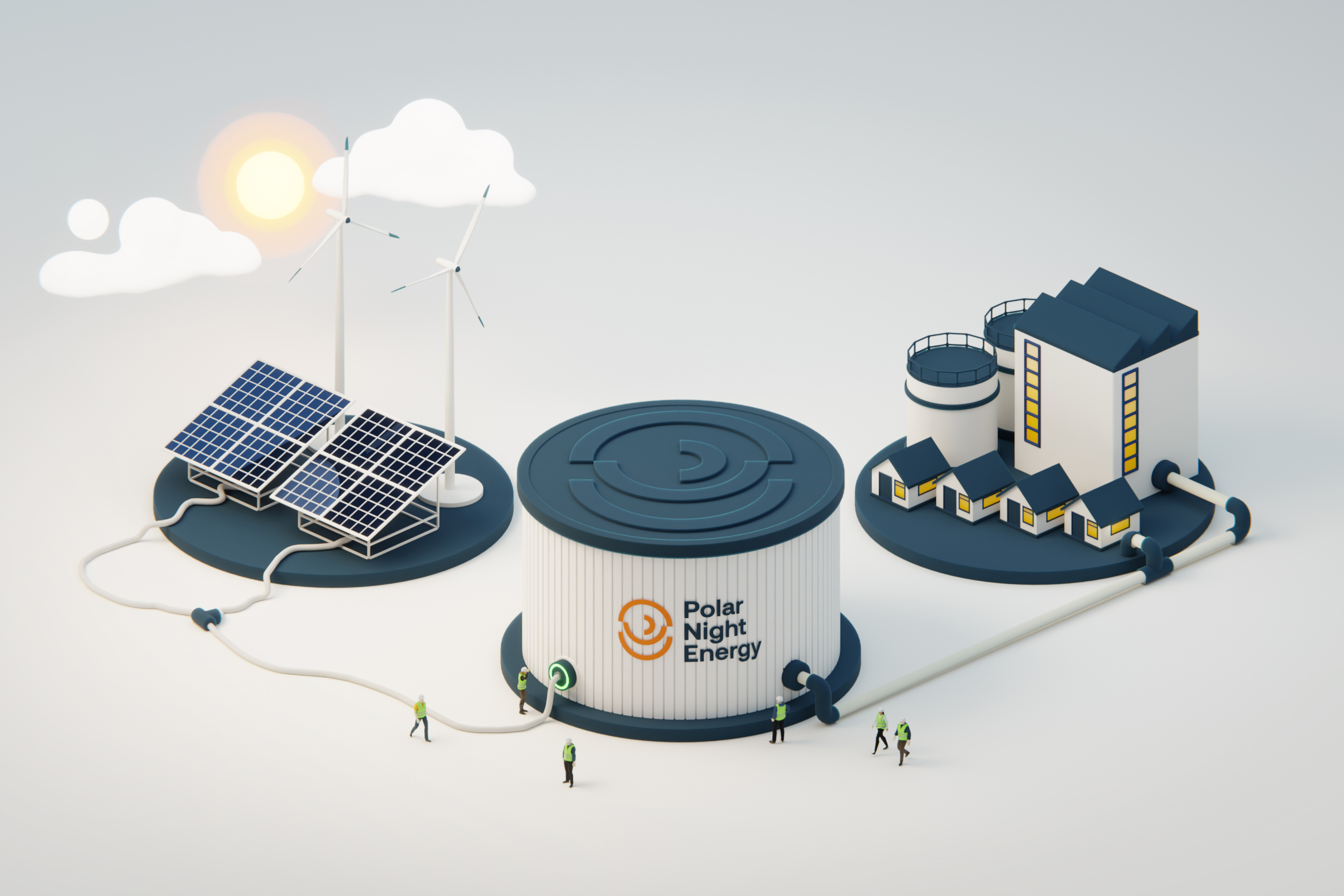
Developed by startup Polar Night Energy, the facility operates by converting cheap, surplus renewable electricity into thermal energy using a resistive heating process. Superheated air, reaching temperatures between 400°C and 600°C, circulates through the soapstone, which acts as a dense thermal reservoir. When demand peaks, the system extracts this heat through a heat exchanger to supply hot water to local schools, homes, and public buildings.
The installation provides enough thermal capacity to sustain Pornainen's 5,000 residents for a full week during winter or nearly a month in summer. An automated AI system manages the charging cycles, syncing energy intake with low spot-market electricity prices to maximize economic efficiency. By integrating this technology, the town has slashed greenhouse gas emissions by 70% and reduced its reliance on traditional wood-chip fuel by 60%.
Unlike lithium-ion alternatives, this thermal approach avoids the use of rare-earth minerals and does not suffer from capacity degradation over time. CEO Tommi Eronen views this as a vital transition point for power grids increasingly dependent on intermittent wind and solar. Following the success of a 2022 pilot in Kankaanpää, the company is already preparing a 250 MWh project in Vääksy, slated for completion in 2027. As global utilities seek ways to balance grids over days or weeks rather than minutes, these high-temperature silos offer a durable, low-cost alternative to chemical storage.



Comments (0)
No comments yet. Be the first!