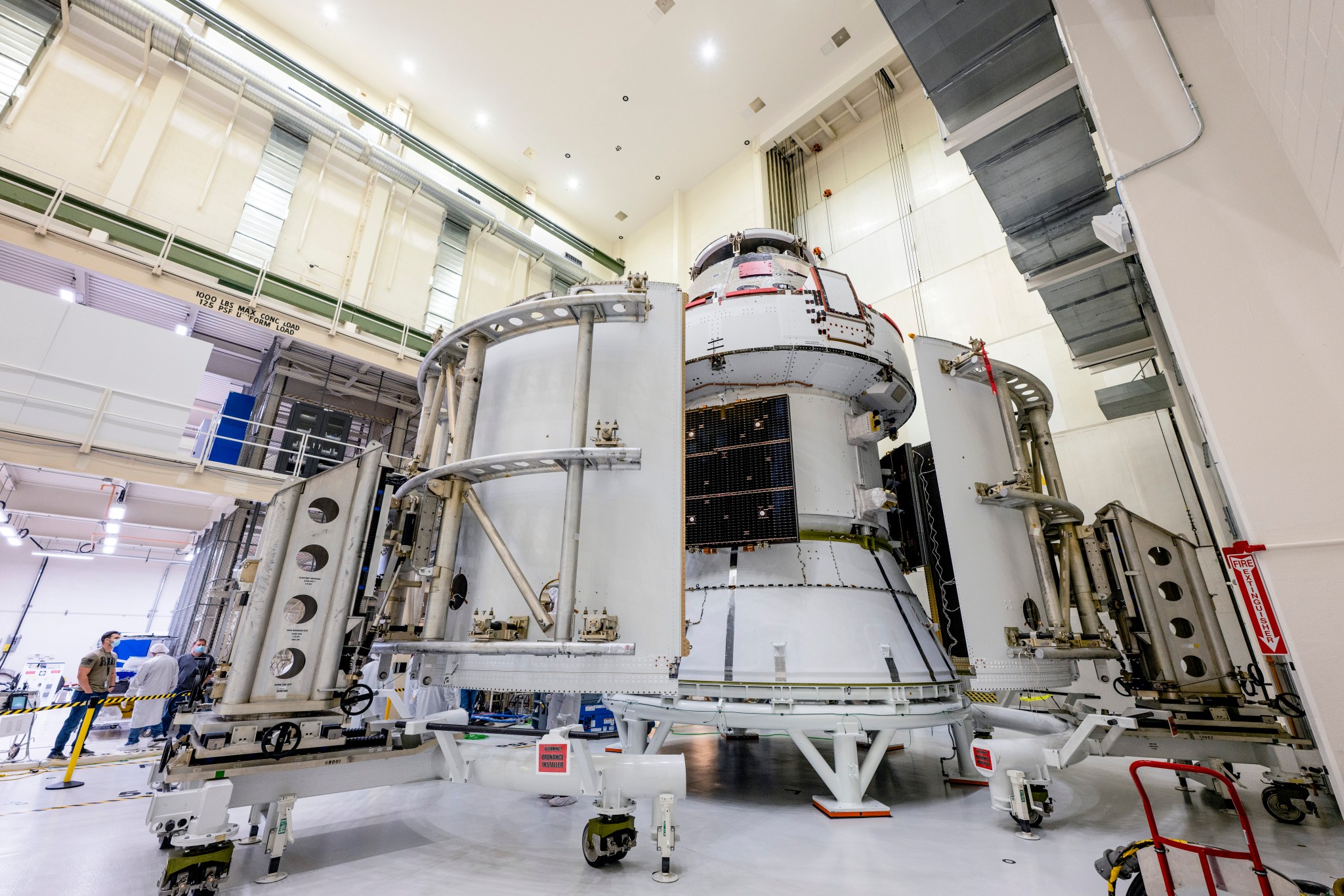
The Hoboken-based firm plans to integrate this licensed technology into a comprehensive software suite designed to streamline mission readiness and technical decision-making. By leveraging NASA’s existing avionics research, Rocket One aims to provide satellite operators and government contractors with advanced analytical tools for complex orbital infrastructure. This move represents a strategic effort to consolidate the company’s intellectual property portfolio, which already includes research into radiation-tolerant AI chips and nanomagnetic computing architectures.
CEO Robb Knie noted that the integration of artificial intelligence into spaceflight engineering is critical as the industry shifts toward autonomous systems and expanded orbital operations. The company intends to follow a phased development roadmap, moving from initial prototype architecture to pilot programs and full-scale commercial deployment. While the technology is currently in early stages, Rocket One is positioning the software as a primary solution for addressing the increasing demands of the global space economy, including lunar exploration and next-generation launch systems.




Comments (0)
No comments yet. Be the first!