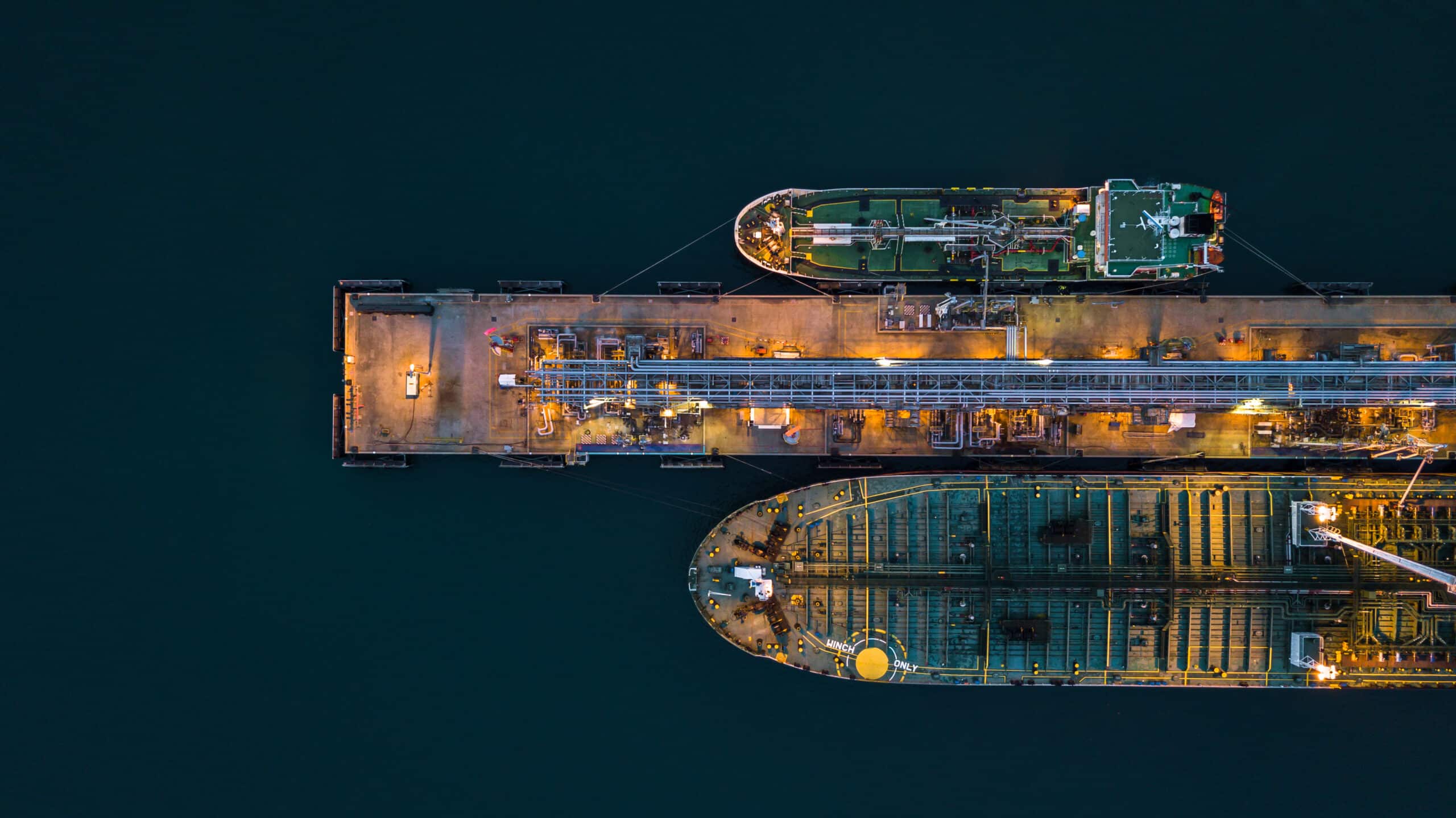
The security landscape for energy flows has deteriorated significantly, with the IRGC asserting control over tanker movements in the Strait of Hormuz and drone strikes damaging Egypt's Damietta LNG gateway. Amidst these geopolitical friction points, the Caspian Pipeline Consortium has halted loadings at its Black Sea terminal, forcing suppliers to reconsider the safety of their export routes.
Major oil companies are simultaneously recalibrating their long-term footprints. BP has initiated the sale of its entire UK North Sea business, citing a prohibitive tax environment and a shift in investment strategy after six decades of production. Conversely, Turkey’s TPAO is expanding its influence by acquiring a 15% stake in BP’s Iraqi Kirkuk venture, a move that secured a temporary extension for the critical Kirkuk-Ceyhan pipeline transit agreement.
Supply chain disruptions are rippling through global markets as European fuel logistics falter under record-low water levels on the Rhine, forcing freight rates to multi-year highs. In response to these instabilities, South Korean refiners are turning toward Venezuelan crude, while QatarEnergy has successfully navigated the Strait of Hormuz to alleviate energy shortages in Pakistan. Meanwhile, China has reached a structural milestone, with coal falling below 50% of its electricity generation mix for the first time, signaling a pivot toward renewable capacity despite the ongoing global reliance on traditional fossil fuel corridors.



Comments (0)
No comments yet. Be the first!