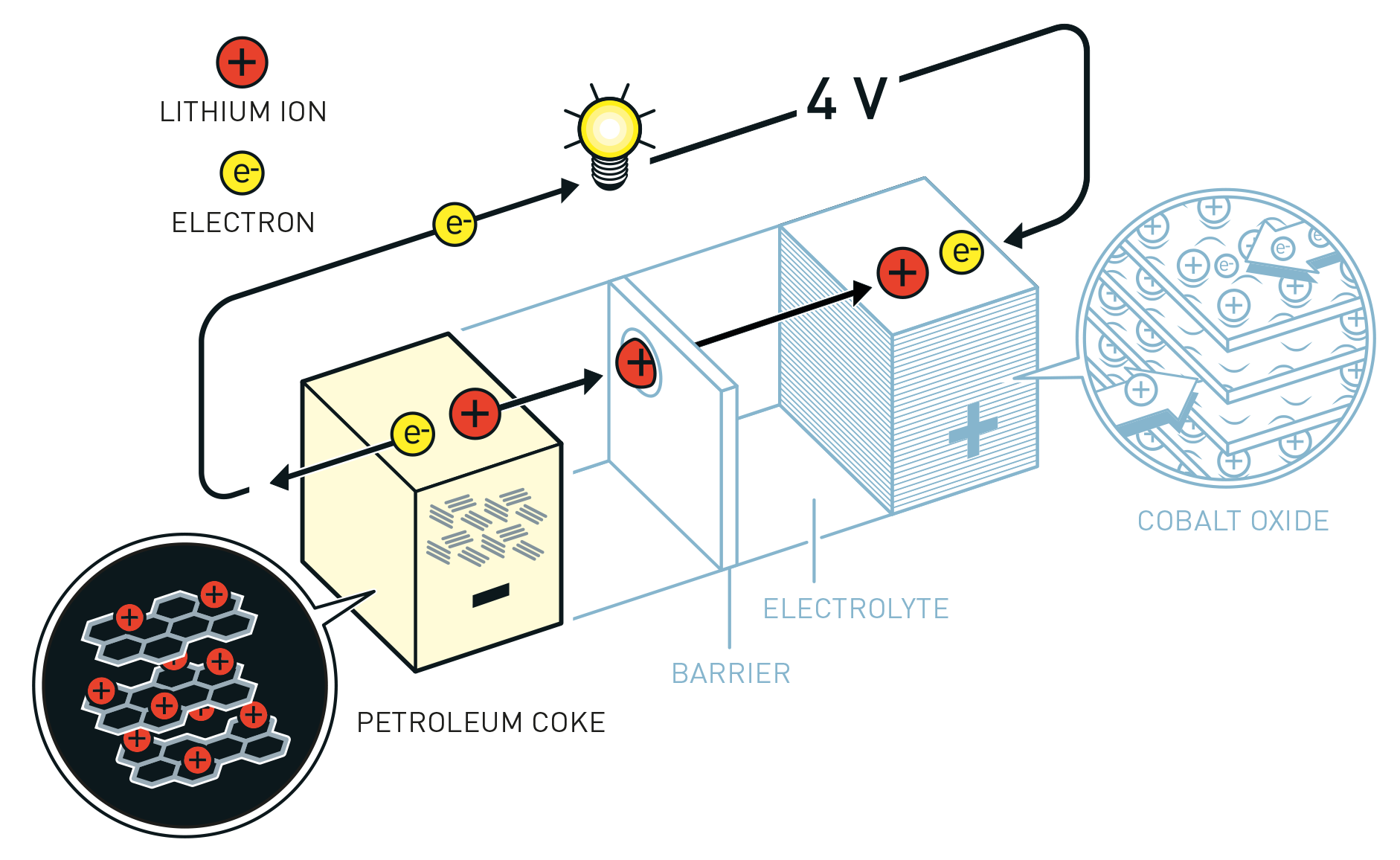
Current lithium-ion technology often fails during rapid charging due to electrochemical instability at the anode-electrolyte interface, which triggers hazardous lithium metal plating. Associate Professor Dongwook Han and his team addressed this by utilizing a NASICON-structured lithium titanium phosphate (LTP) base. By deliberately creating a titanium-deficient composition, they induced the formation of titanium phosphate domains on the particle surfaces.
These domains function as kinetic gateways, lowering the energy barriers for ion movement and providing structural flexibility to withstand volume changes. In performance testing, the team's OS-LTP/C composite anode retained 86% of its capacity at a 10C charging rate, significantly outperforming traditional LTP designs. Beyond raw speed, the material demonstrated universal compatibility with high-voltage cathodes, offering a scalable path toward more practical electric vehicle charging and long-term energy storage reliability.




Comments (0)
No comments yet. Be the first!