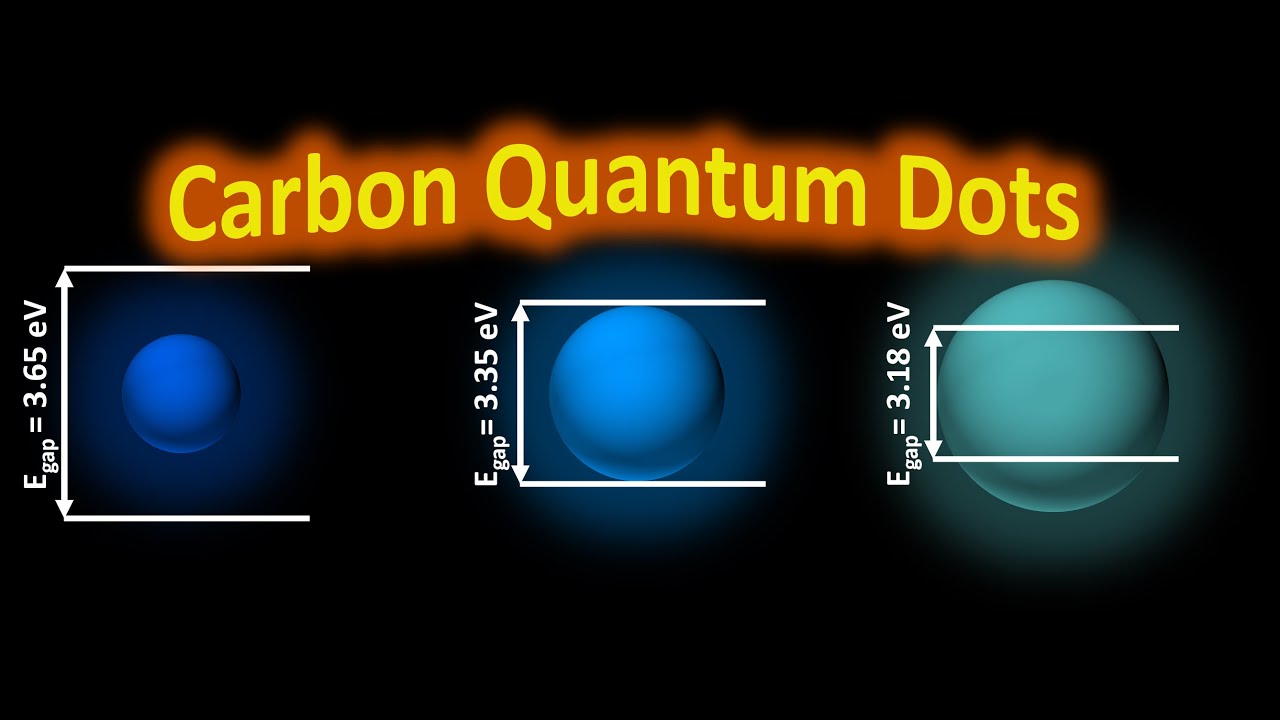
The research team successfully demonstrated that these carbon-based nanoparticles, typically measuring between one and nine nanometers, can deter pests like the Bemisia tabaci. By utilizing organic biomass waste as a raw material, the company aims to produce a repellent that is not only environmentally friendly but also potentially cheaper than traditional petroleum-derived products. While the exact biological mechanism remains under investigation, Dr. Mori suggests that the particles may interfere with insect cells, emit light wavelengths that pests avoid, or leverage photocatalytic properties that trigger defensive reactions when exposed to sunlight.
Unlike conventional insecticides that rely on organophosphates or pyrethroids, this method focuses on behavioral deterrence rather than lethal toxicity. This approach potentially lowers the risk of pests developing resistance and reduces the chemical residue left on crops or in living spaces. Although rigorous safety testing is still required, the company views this as a significant step for the agricultural and pest control industries. Green Science Alliance now plans to expand its research by testing quantum dots derived from a wider array of organic waste materials to evaluate their efficacy against other common insect species.



Comments (0)
No comments yet. Be the first!