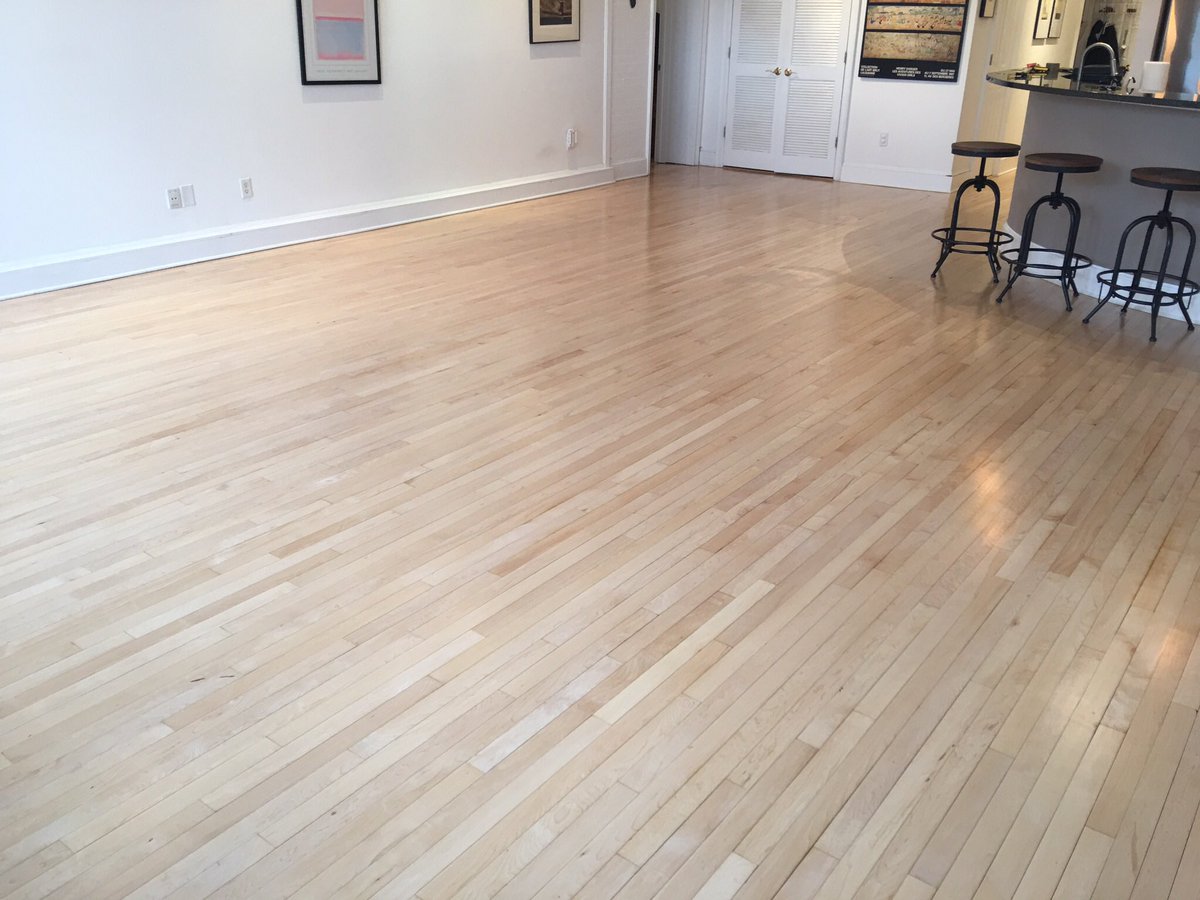
Solid hardwood is crafted from a single, three-quarter-inch piece of timber, offering a lifespan measured in decades. Because it can be sanded and refinished repeatedly, it remains a favorite for those seeking a permanent, renewable surface. However, its organic composition makes it highly sensitive to humidity. Westfall warns that this material is prone to swelling or shrinking, restricting its use to climate-controlled environments like living rooms and hallways where moisture levels remain consistent.
Engineered hardwood provides a more stable alternative for challenging spaces. By layering a real wood veneer over a cross-grain plywood or composite base, manufacturers create a product that resists the warping and cupping typical of solid wood in humid conditions. This construction makes engineered planks a practical solution for basements, kitchens, or regions with significant seasonal climate shifts. While homeowners sacrifice the ability to perform multiple deep refinishes due to the thinner top layer, they gain the flexibility to install wood flooring in areas previously considered unsuitable for natural materials. The ultimate decision rests on evaluating the room's specific climate rather than just the aesthetic preference for grain or color.


Comments (0)
No comments yet. Be the first!