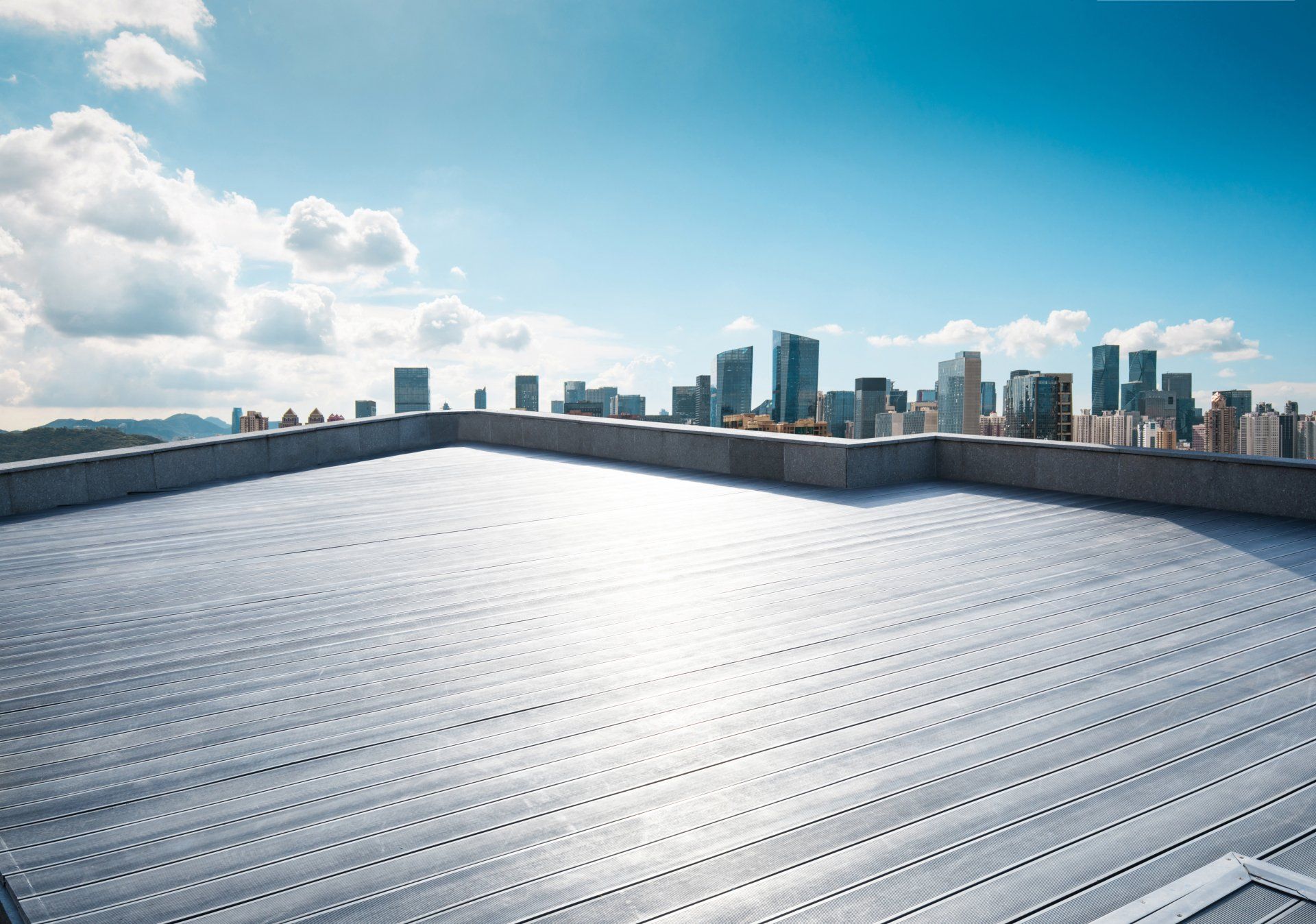
Different industrial systems experience distinct aging patterns. While metal roofing often provides superior longevity, it remains vulnerable to fastener fatigue and corrosion. Conversely, flat systems—including single-ply membranes and built-up roofing—face unique challenges from heat, moisture, and structural movement. These materials degrade at varying rates depending on their chemical composition and exposure to local weather patterns.
Environmental conditions such as intense ultraviolet light, hail, and heavy rainfall serve as primary catalysts for deterioration. Ponding water remains a critical threat to low-slope systems, accelerating membrane breakdown and increasing leak risks. Beyond external climate factors, human activity plays a significant role; frequent foot traffic around HVAC units and exhaust fans creates concentrated wear patterns that compromise structural integrity if left unprotected.
Maintenance history serves as the most reliable predictor of a roof's remaining service life. Regular inspections targeting seams, flashing, and drainage allow owners to address minor breaches before they penetrate insulation or cause internal water damage. Even high-quality materials suffer when installation is flawed, underscoring the necessity of expert oversight. As energy costs rise due to moisture infiltration, property owners can use performance data to shift from reactive patching to a more predictable, long-term replacement strategy.



Comments (0)
No comments yet. Be the first!