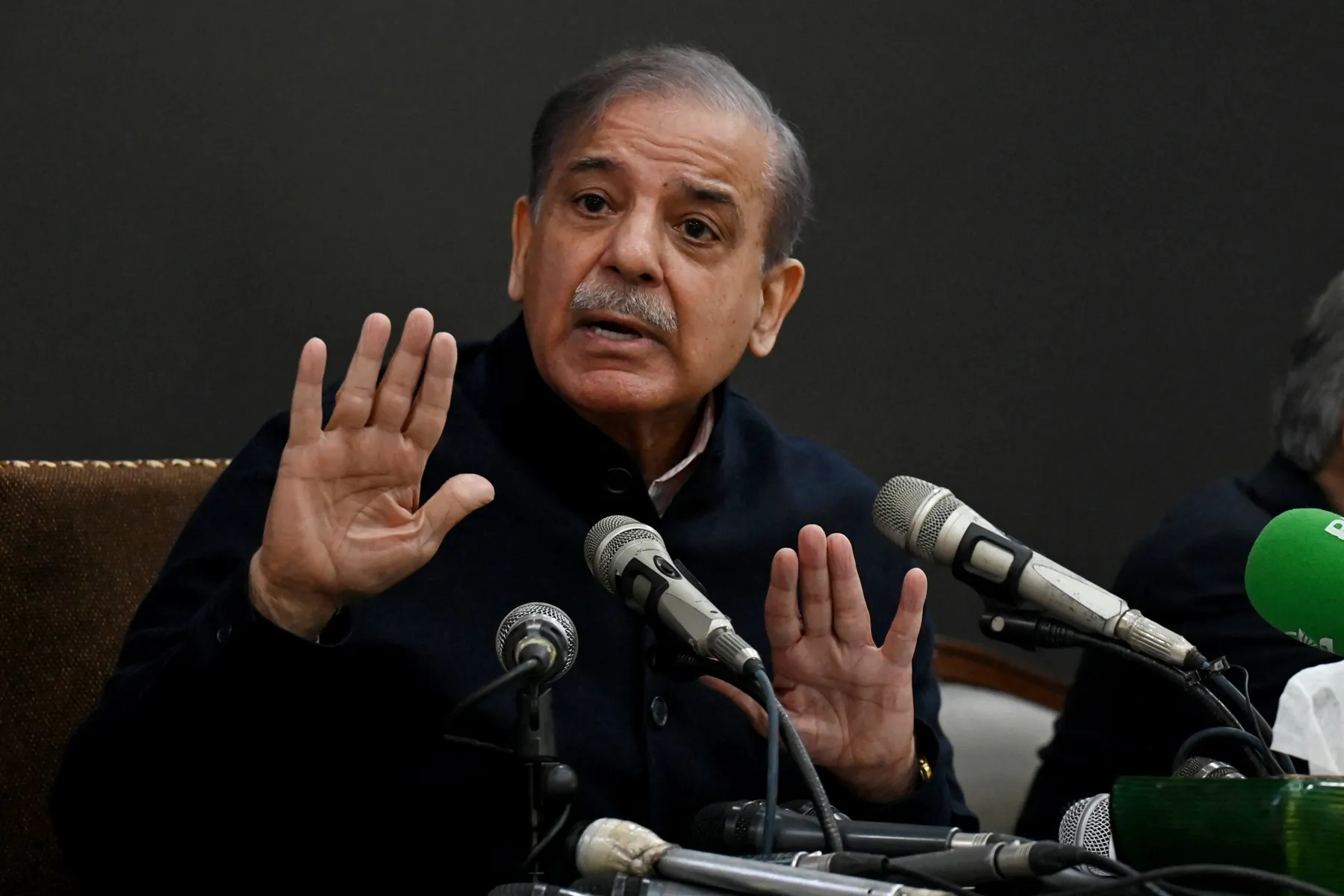
Prime Minister Shehbaz Sharif and Field Marshal Asim Munir have positioned Islamabad as an essential interlocutor between Tehran and the West. This diplomatic balancing act persists despite the assassination of Supreme Leader Ali Khamenei and the rise of his successor, Mojtaba Khamenei, alongside a security apparatus that now prioritizes hardline, threat-focused governance. The current Tehran administration, heavily influenced by the Islamic Revolutionary Guard Corps, finds common ground with Pakistan in the necessity of stabilizing their shared 900-kilometer border.
Strategic Realignment and Economic Ties
Beyond mediation, both nations are pushing to expand bilateral trade from $3 billion toward a $10 billion target. Progress relies on upgrading transport links like the Taftan-Mirjaveh crossing and integrating regional infrastructure projects such as the China-Pakistan Economic Corridor and the International North-South Transport Corridor. While international sanctions on Iranian entities and the IRGC-linked bonyads act as a brake on formal investment, the leaders are pursuing personal and state-level cooperation in energy and logistics. This relationship offers Pakistan a dual path: maintaining favor with Washington while securing a stable eastern flank for its regional trade ambitions. However, the success of this strategy remains tethered to the risks of regional escalation and the delicate maintenance of Pakistan’s existing defense pacts with Gulf states.



Comments (0)
No comments yet. Be the first!