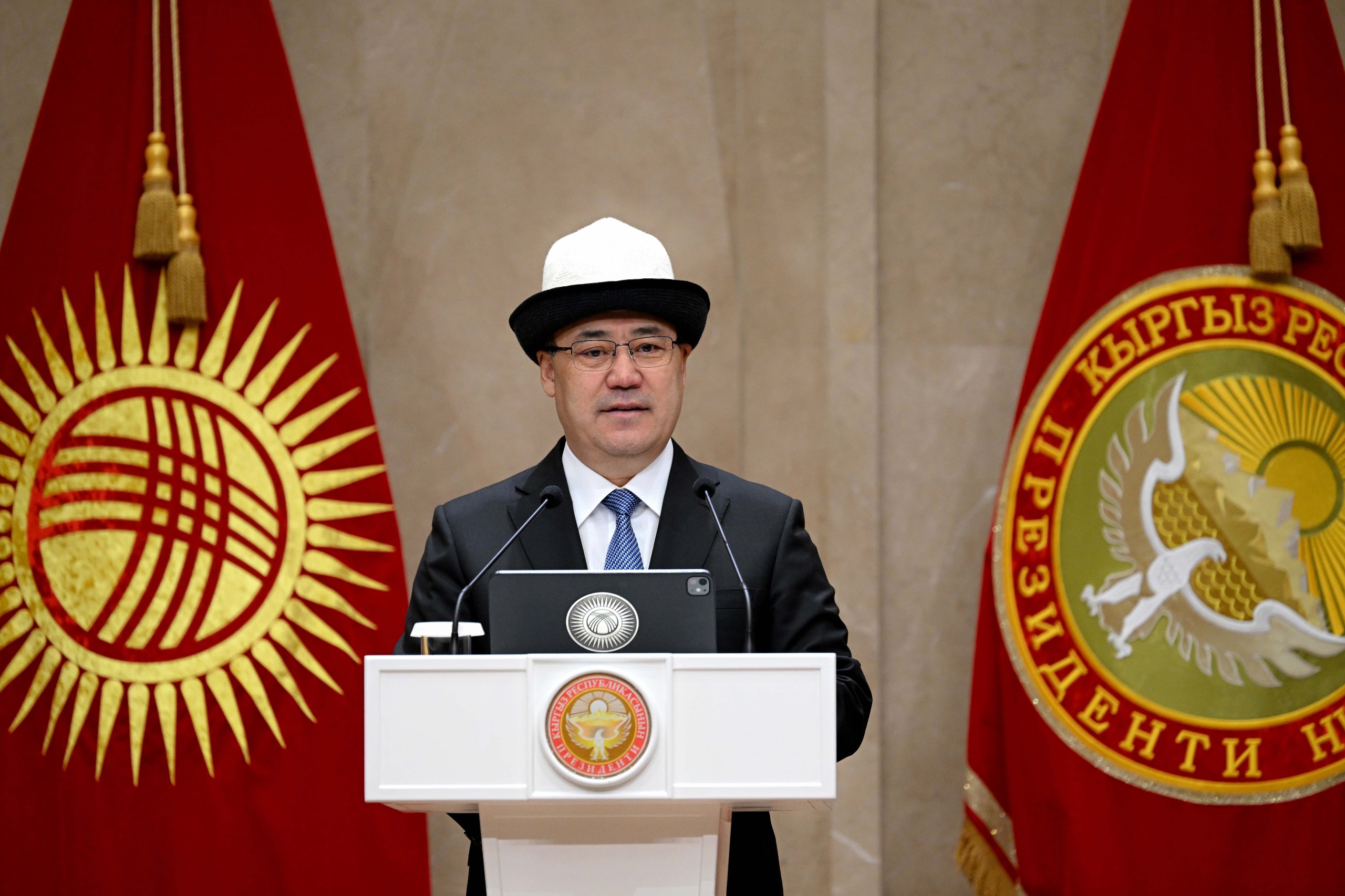
The summit underscored a shift toward deeper regional integration, with Azerbaijani President Ilham Aliyev emphasizing that Central Asian partnerships now rank among Baku’s highest foreign policy priorities. Kyrgyz President Sadyr Japarov pledged to leverage his nation’s UN Security Council tenure to advocate for the collective interests of the newly minted C6 group. Beyond the symbolic declaration, the gathering produced a series of bilateral accords, including an allied relations treaty between Uzbekistan and Kyrgyzstan, alongside fresh agreements between Baku and Bishkek spanning the energy, transport, and trade sectors.
Simultaneously, the region is experimenting with logistical innovation to bypass traditional bottlenecks. Azerbaijan, Turkmenistan, and Uzbekistan have successfully launched the eTIR digital system, which replaces paper-based customs declarations with electronic entries. Early trials, involving shipments of electronics and commodities like cotton across the Caspian Sea, demonstrated significant reductions in border processing times. These efforts align with the 'Silk Seven-Plus' initiative, a strategic blueprint designed to link the Caspian Basin to the Arabian Sea. While Kazakhstan explores logistics options at Iran’s Bandar Abbas, Pakistan is aggressively lobbying Astana to prioritize its own ports in Karachi and Gwadar to capture a larger share of the region's expanding transit volume.




Comments (0)
No comments yet. Be the first!