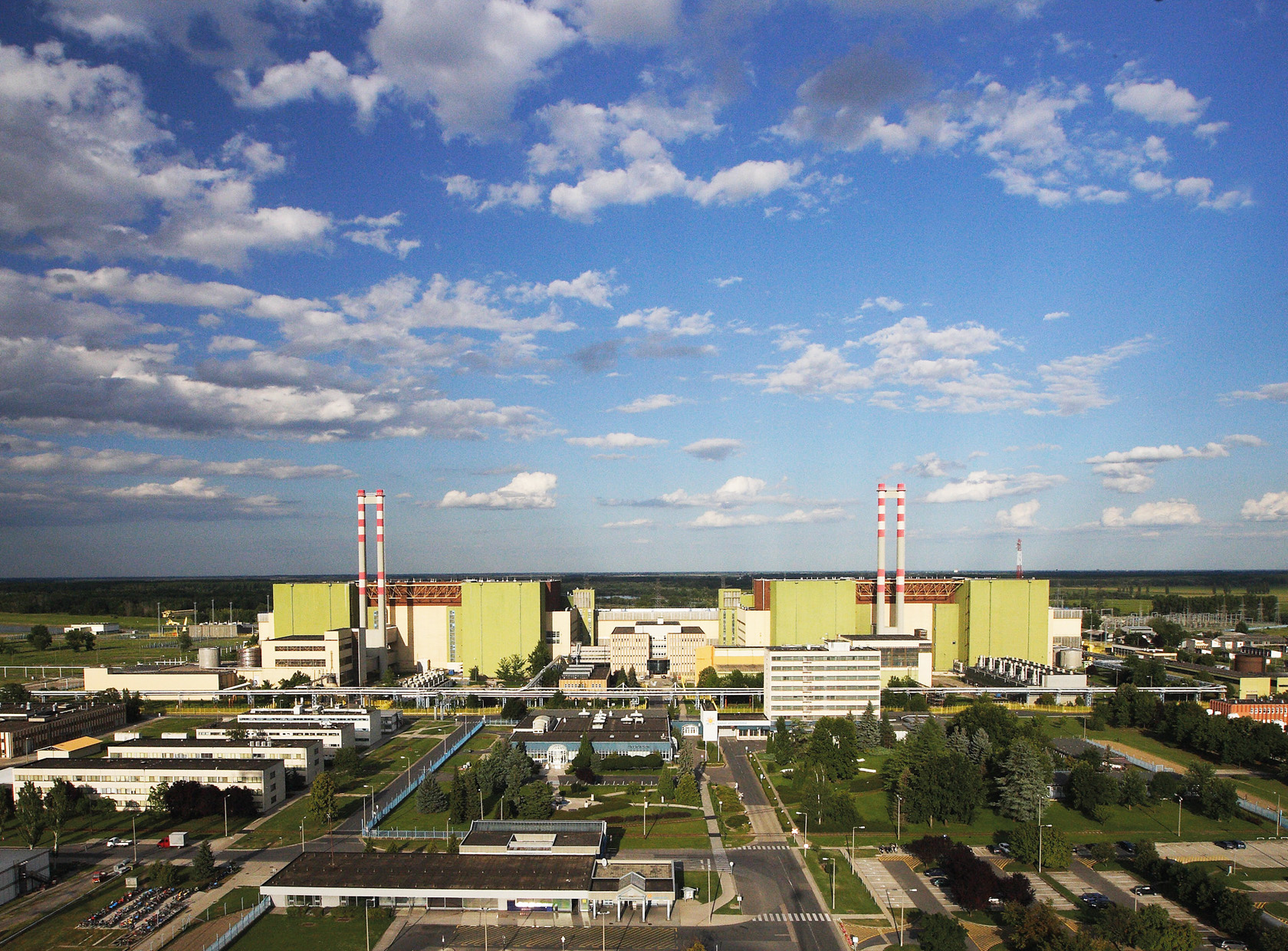
The shutdown triggered a shockwave through regional energy markets, sending electricity prices soaring to €500 per megawatt-hour. Prime Minister Péter Magyar warned that the coming week represents a critical juncture for the nation, urging citizens to exercise self-restraint as temperatures remain dangerously high. While the immediate threat to Hungarian energy security is severe, the problem is continent-wide; France has already been forced to throttle nuclear reactor output throughout the summer to prevent overheating.
Energy experts emphasize that the reliance on water-intensive cooling systems makes traditional nuclear and hydroelectric power increasingly vulnerable to climate shifts. Zsuzsanna Pató of the Regulatory Assistance Project noted that power systems must be redesigned to function in this volatile new reality. Academic researchers suggest that the path forward requires a shift toward advanced reactor designs—such as air-cooled models or those using molten salt—to decouple energy production from diminishing water supplies. With the lowest water levels typically occurring in late August or September, the pressure on Europe’s grid is expected to intensify before it eases.




Comments (0)
No comments yet. Be the first!