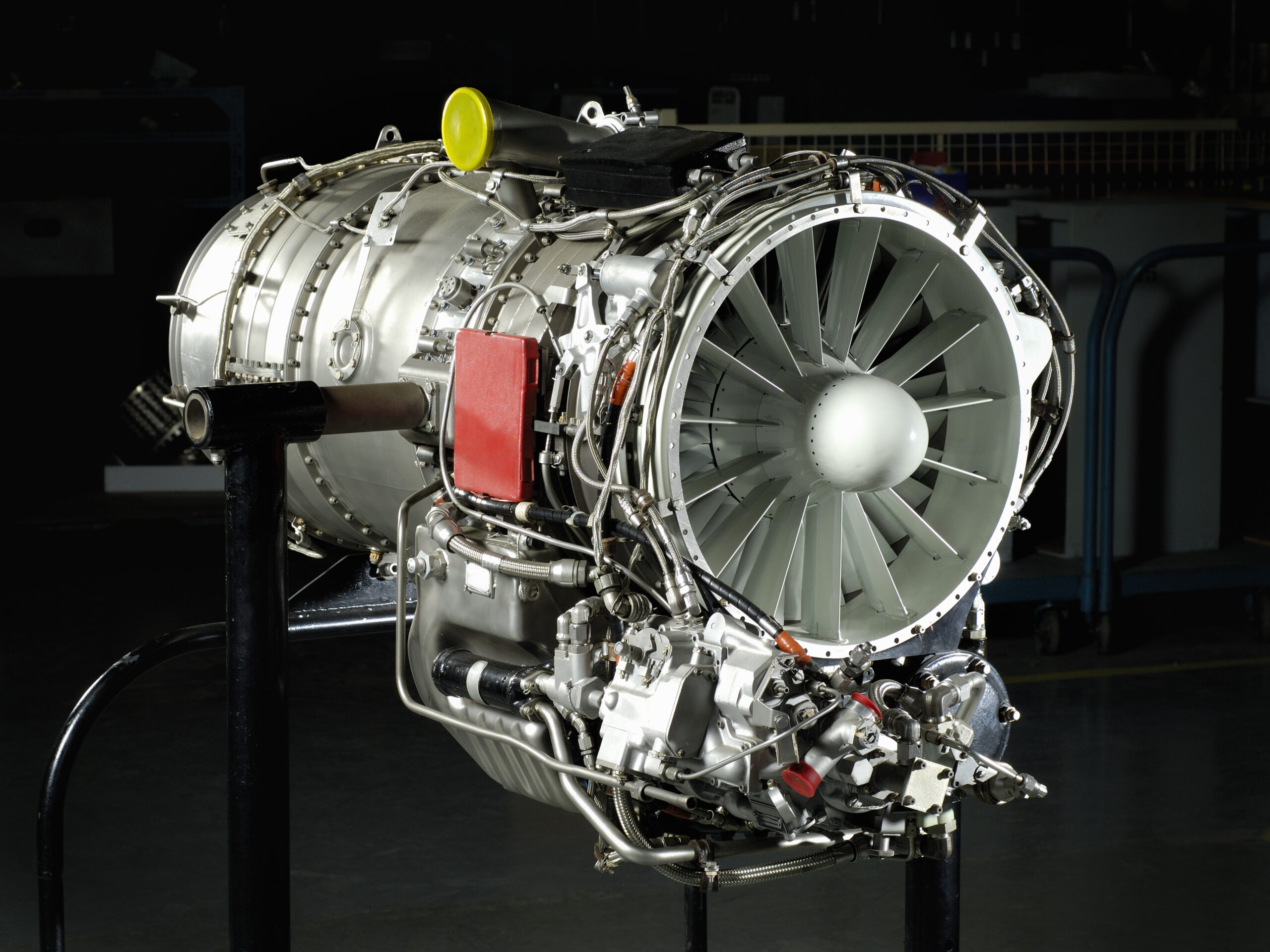
The gap between ambition and execution is stark. While regional governments targeted 53 gigawatts of new capacity, current projections suggest only 14.9 gigawatts will be operational by the decade's end. Project developers are struggling with financing constraints and a scarcity of gas turbines, which face lead times of at least five years. Only 11 gigawatts of the entire regional pipeline has secured the necessary hardware to proceed, leaving the majority of planned projects in limbo.
Vietnam faces the most significant shortfall, with only 3.7 gigawatts expected to come online against a 29.4 gigawatt target. Indonesia is similarly constrained, having secured turbines for just 200 megawatts of its 8.4 gigawatt pipeline, forcing the nation to lean back on coal to maintain grid stability. Singapore stands as the sole exception, with its turbine supply for all major projects already locked in.
This failure to scale gas infrastructure is forcing a policy pivot. Faced with soaring costs and energy security concerns exacerbated by Middle East instability, policymakers are reconsidering the role of gas. While the International Energy Agency expects renewable capacity to triple by 2035, coal remains a persistent buffer. The current environment has shifted the focus from rapid gas adoption to a more cautious strategy centered on energy resilience and accelerated solar deployment.


Comments (0)
No comments yet. Be the first!