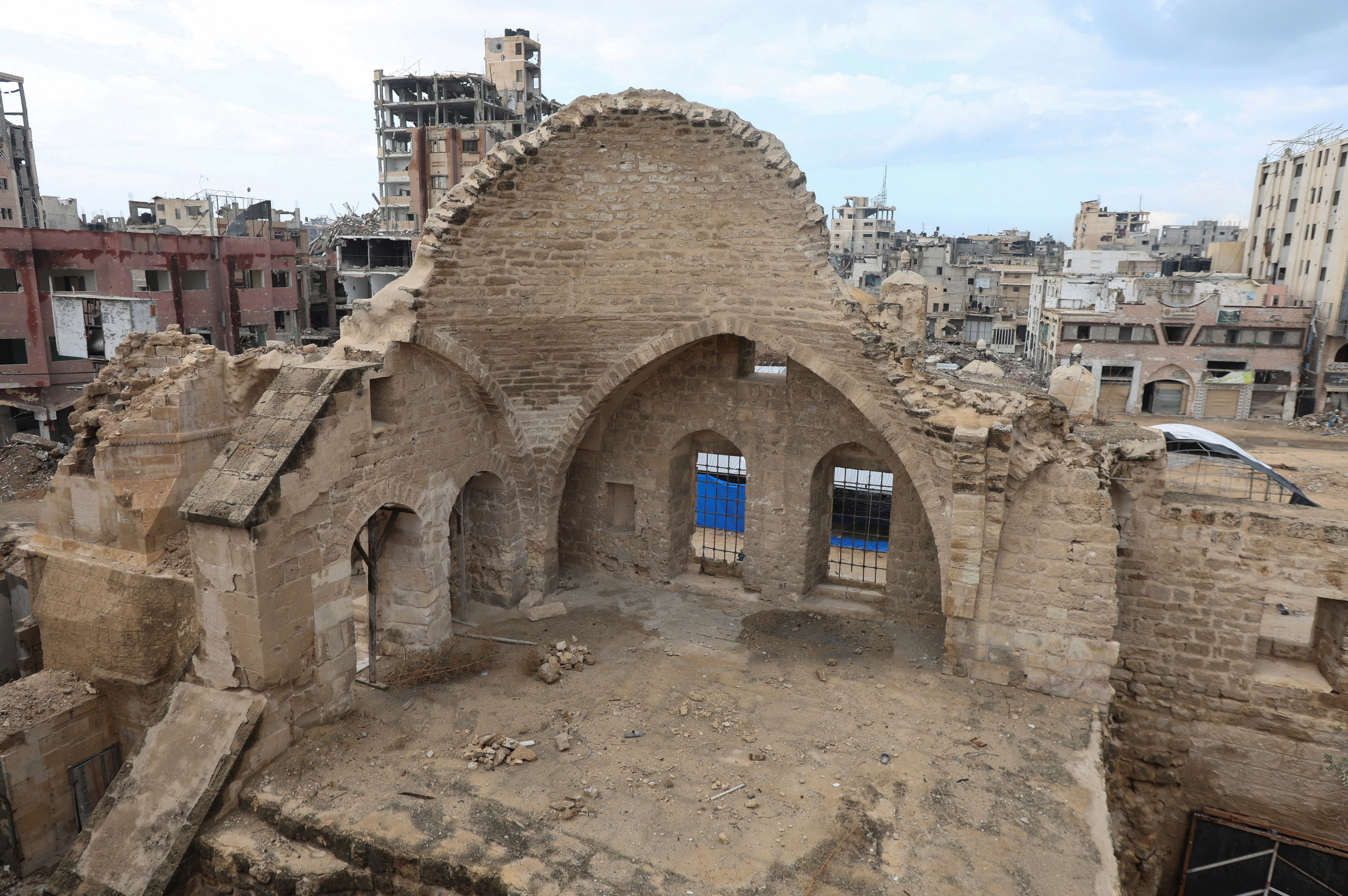
The coalition of nations condemned attacks on healthcare facilities and essential infrastructure, noting that Israeli forces have re-entered zones previously slated for withdrawal. Humanitarian aid delivery remains stalled, falling significantly below the thresholds mandated by the initial deal. Israel maintains that Hamas has fundamentally breached the terms by actively rebuilding tunnel networks and rearming, insisting that full withdrawal is contingent upon the group’s total disarmament.
This impasse renders the second phase of the agreement—intended to secure a permanent cessation of hostilities—increasingly untenable. Simultaneously, the regional security architecture is shifting as Hezbollah has publicly signaled a willingness to engage in talks with the Syrian government. This move serves as a strategic hedge against external diplomatic pressure, including proposals for Syrian intervention against the group. While Damascus rejects direct military involvement, the offer complicates U.S. attempts to leverage regional actors in the effort to curb Hezbollah’s influence.



Comments (0)
No comments yet. Be the first!