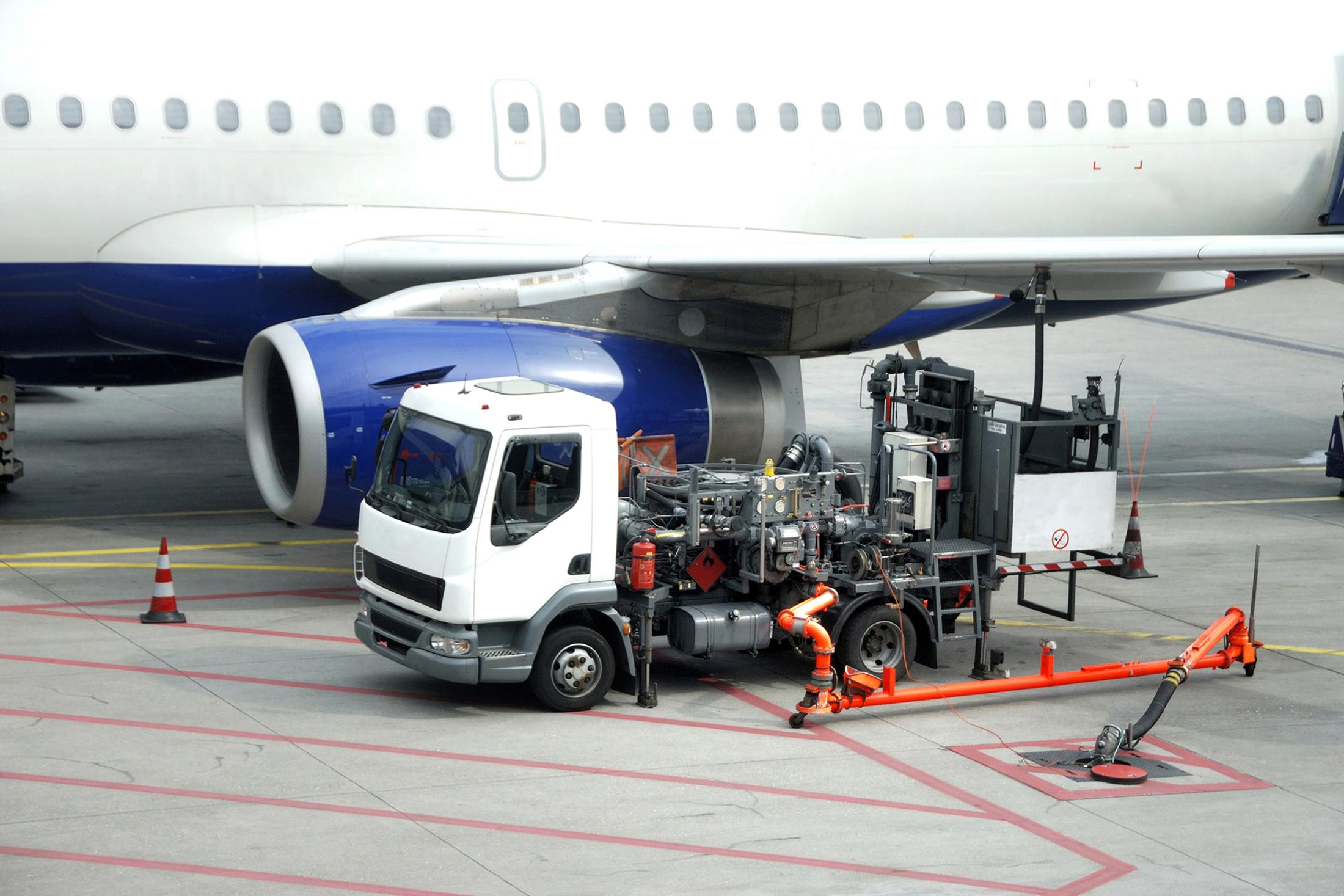
European carriers are particularly vulnerable, having pivoted away from domestic refining in recent years to pursue green energy targets. Before the conflict, the region sourced nearly half of its jet fuel from the Middle East. Energy Aspects estimates a staggering supply deficit of 600,000 barrels per day for Europe in the third quarter. EU Energy Commissioner Dan Jorgensen signaled that Brussels may tap into national reserves as inventories hover at roughly 30 days of demand. To bridge the gap, nations have turned to suppliers in the U.S., Nigeria, Canada, India, and South Korea.
Price volatility remains a primary threat to profitability, with jet fuel accounting for up to 25 percent of airline operating costs. While Ryanair CEO Michael O’Leary credits conservative hedging for his firm's resilience, other carriers are not as fortunate. United Airlines now anticipates $6 billion in additional fuel expenses for 2026, a sharp revision from earlier forecasts. In the U.S., Southwest Airlines resorted to shipping 12.6 million gallons of fuel from Texas to California via the Panama Canal to circumvent regional shortages. With prices fluctuating wildly—having peaked at $215.32 a barrel in March—the aviation industry faces a precarious period of uncertainty as it navigates a fundamentally disrupted energy landscape.




Comments (0)
No comments yet. Be the first!