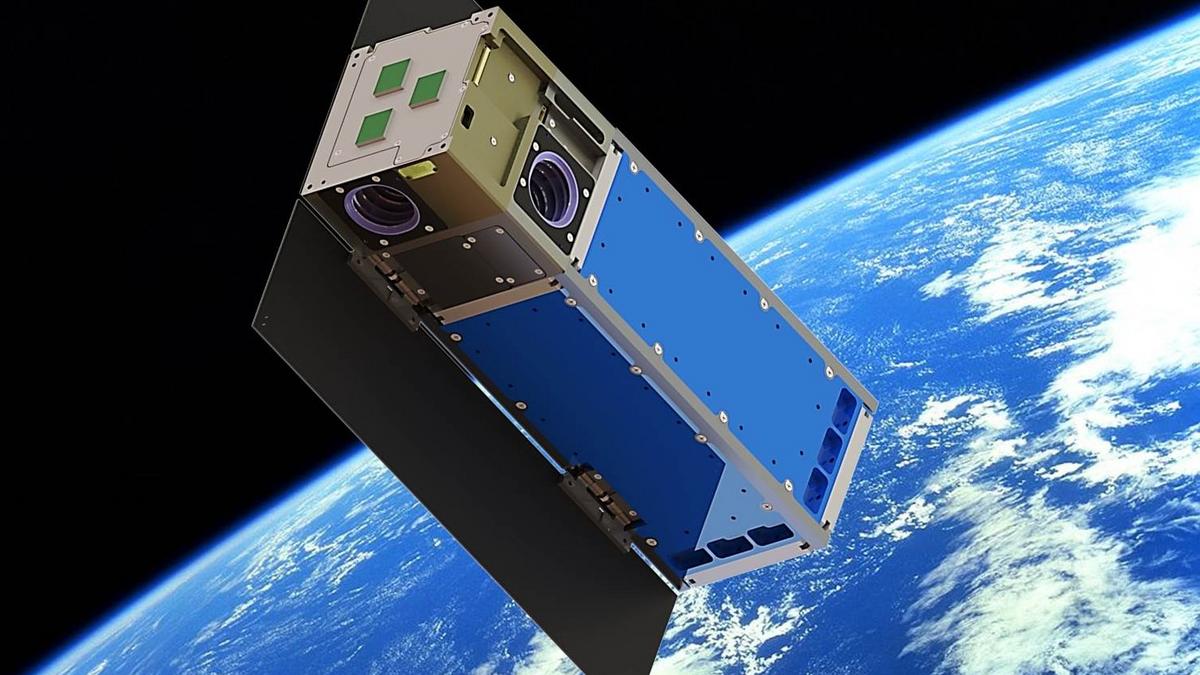
The upcoming mission marks a critical scaling effort for the Colorado-based firm, which specializes in GNSS radio occultation sensing. By tracking signals from GPS, BeiDou, GLONASS, and Galileo constellations simultaneously, the new satellites will use Pyxis sensor technology to generate a denser grid of atmospheric profiles. These observations are central to refining numerical weather prediction models and providing environmental intelligence for commercial and government users.
Chris McCormick, the company's founder and chairman, noted that the increased constellation capacity will directly translate into sharper situational awareness for mission-critical operations. Current users of the data include major organizations such as NOAA, the ECMWF, and the UK Met Office, alongside U.S. defense branches. Following a $24.3 million contract awarded by NOAA in 2025, PlanetiQ continues to strengthen its role in the commercial space-tech sector by delivering high-resolution data that supports both climate monitoring and severe weather forecasting.



Comments (0)
No comments yet. Be the first!