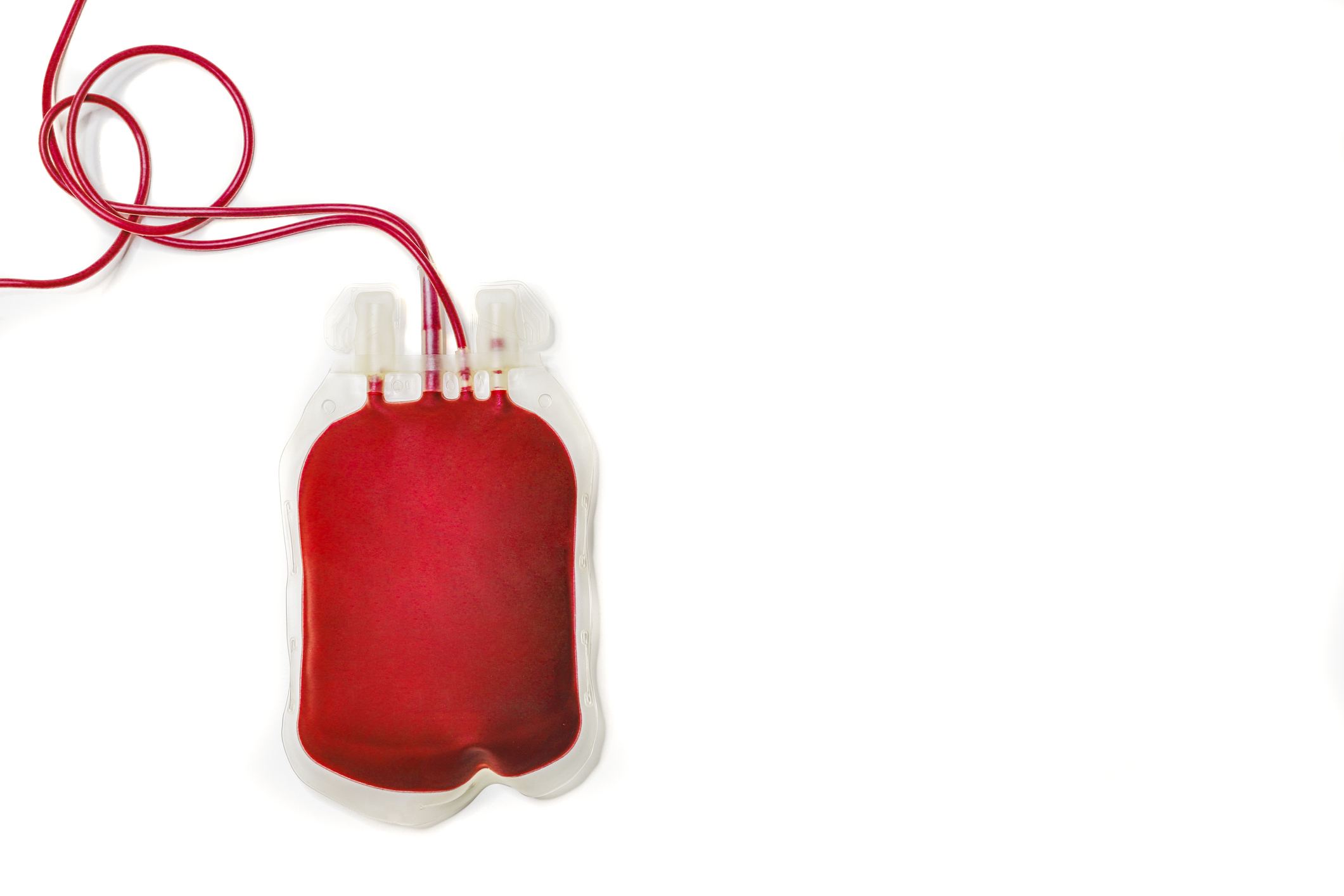
The campaign, which unites all 18 Big Ten universities, incentivizes participation by offering a $1 million prize to the winning school, funds that previous victors like Nebraska and Wisconsin have directed toward campus mental health and wellness programs. While the official competition window runs through December 4, organizers are encouraging immediate action; donations made as early as August 12 will count toward the final tally. Anyone in the United States can participate at any blood center, with log-in capabilities opening on August 26.
Beyond addressing the immediate shortage, the drive confronts a structural demographic shift in the donor pool. Currently, nearly 25% of all blood donations are provided by individuals over the age of 65, a generation that will eventually be unable to contribute. By targeting college-aged students, Abbott hopes to cultivate a new, sustainable donor base. Data from the initiative's first two years suggests the strategy is working: nearly one-third of student participants last year were first-time donors, with 96% expressing an intent to return. Abbott CEO Robert B. Ford emphasized that college campuses represent the most vital pipeline for long-term health security, noting that establishing donation habits early is essential to ensuring blood remains available when emergencies arise.



Comments (0)
No comments yet. Be the first!