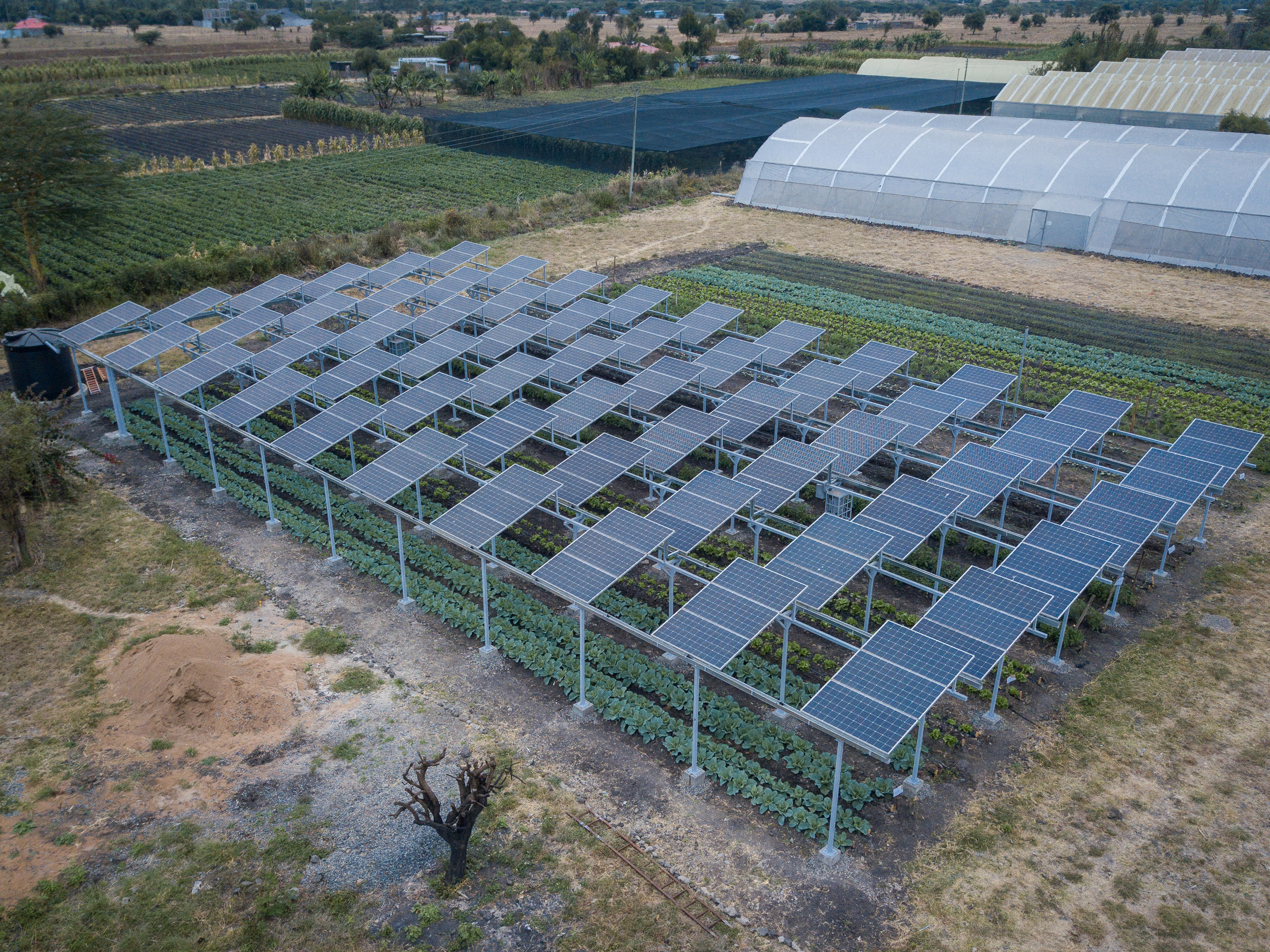
The dual-use model, known as agrivoltaics, allows solar panels to coexist with farming. Beyond providing extra income, this arrangement offers ecological benefits; the panels provide necessary shade for livestock and sensitive crops while reducing soil water evaporation. In turn, the moisture released by plants helps cool the panels from below, which can improve the efficiency of the solar cells.
California is currently pushing this approach on a massive scale, specifically targeting fallow land left idle by persistent water shortages. The Valley Clean Infrastructure Plan, led by Golden State Clean Energy, intends to install 21 GW of solar and battery capacity across 136,000 acres near Fresno. This project aims to power 10 million homes, serving as a pillar for the state’s goal of reaching 100 per cent renewable energy by 2045.
Regulatory landscapes are shifting elsewhere to accommodate this trend. Virginia recently codified a formal definition for agrivoltaics to overcome local resistance to solar development, which had previously led two-thirds of the state's counties to restrict large-scale projects. Similar momentum exists in Europe, where the Joint Research Centre estimates that dedicating just 1 per cent of agricultural land to these systems could generate hundreds of terawatt-hours of electricity annually. As farmers face mounting pressures from climate change, these dual-purpose sites provide a way to keep land productive and economically viable.



Comments (0)
No comments yet. Be the first!