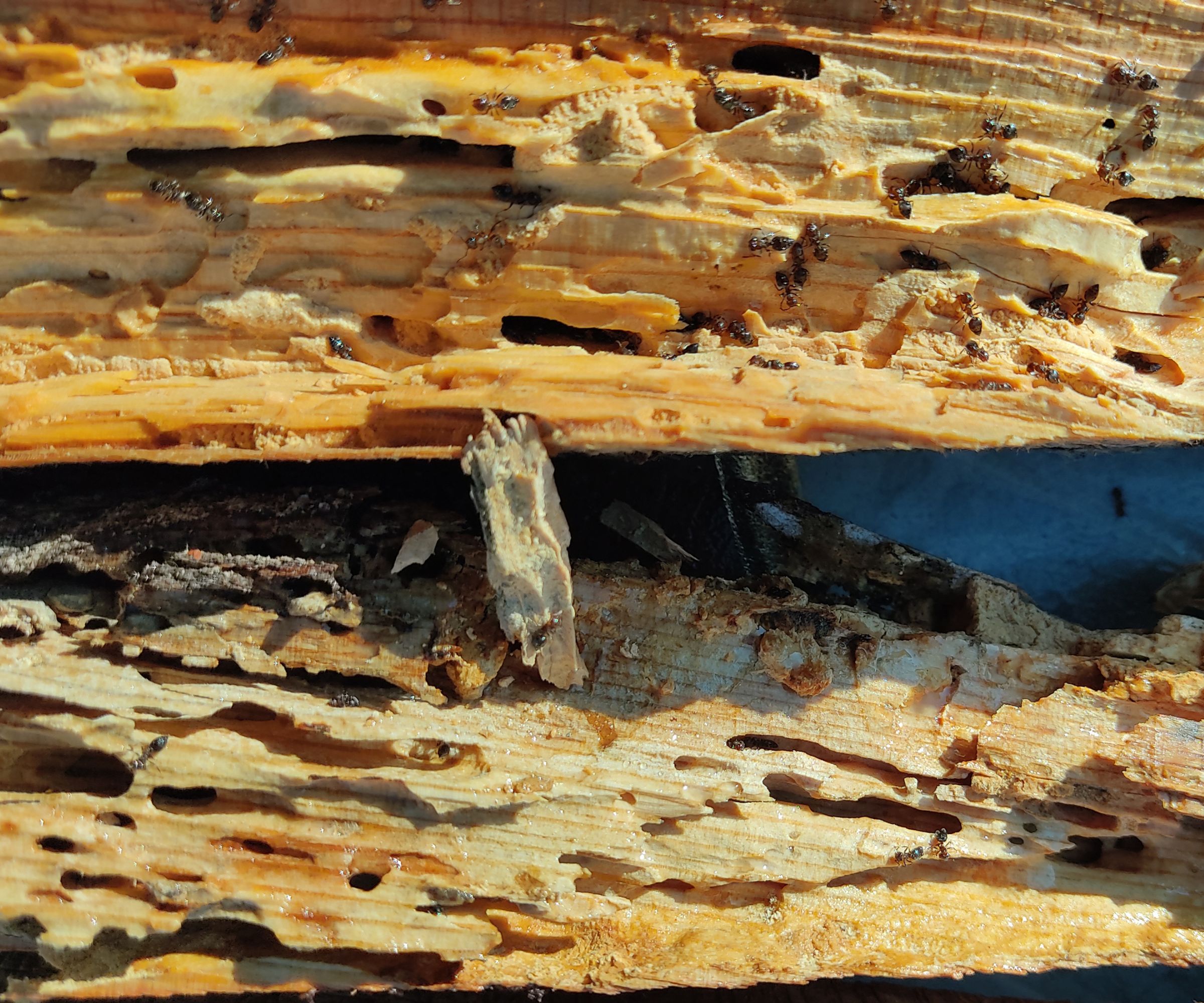
Carpenter ants rarely attack sound, dry structures, but they thrive where water compromises building materials. Roof leaks, plumbing failures, and poor drainage soften wood, providing the perfect environment for ants to tunnel and establish satellite colonies. These insects often maintain a primary nest in nearby tree stumps or logs, gradually extending their reach into interior walls once they find a damp entry point. Homeowners should watch for telltale signs of activity, such as small piles of sawdust-like debris near floors or faint scratching sounds emanating from behind walls. The presence of winged ants near window sills serves as a warning that a colony may have already gained a foothold.
Effective prevention requires a proactive approach to home maintenance. By replacing water-damaged wood, improving ventilation, and ensuring that firewood remains stored away from the foundation, residents can eliminate the conditions that attract these pests. While professional treatments like baits or targeted chemical applications can remove existing populations, they offer only temporary relief if structural moisture remains unaddressed. Long-term protection relies on regular inspections and consistent efforts to keep the home’s exterior envelope dry and sealed against the elements.



Comments (0)
No comments yet. Be the first!