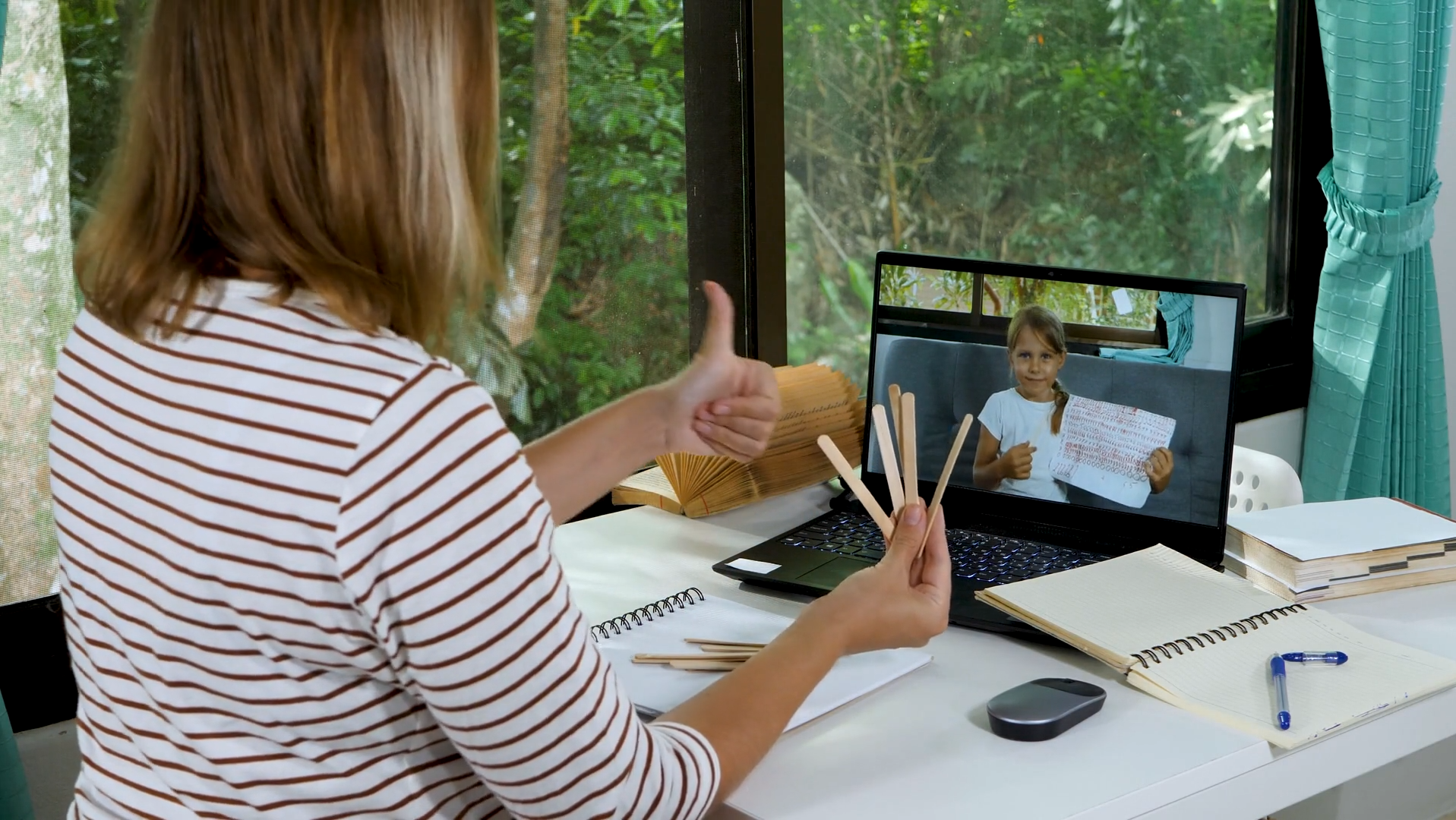
Roggeman, who spent nearly two decades as an award-winning high school English teacher before transitioning to higher education leadership, argues that effective learning does not require a traditional classroom setting. Instead, she encourages parents to integrate critical thinking into daily life—such as planning a grocery budget or exploring a child’s specific interests. These low-pressure interactions, she suggests, help mitigate "summer slide," the phenomenon where students lose academic momentum during school breaks.
A significant portion of the conversation, hosted by parent advocate Genie Dawkins, centered on the needs of neurodivergent children. Roggeman emphasized that fostering confidence and self-advocacy is just as vital as maintaining literacy habits. By prioritizing consistent routines and respecting each child’s unique strengths, families can provide a structure that supports academic growth while preserving the necessary freedom of the summer months. The full discussion, titled "Summer Break Without the Slide: Building Routines, Confidence, and Curiosity," is currently available on The Parenting Cipher website.



Comments (0)
No comments yet. Be the first!