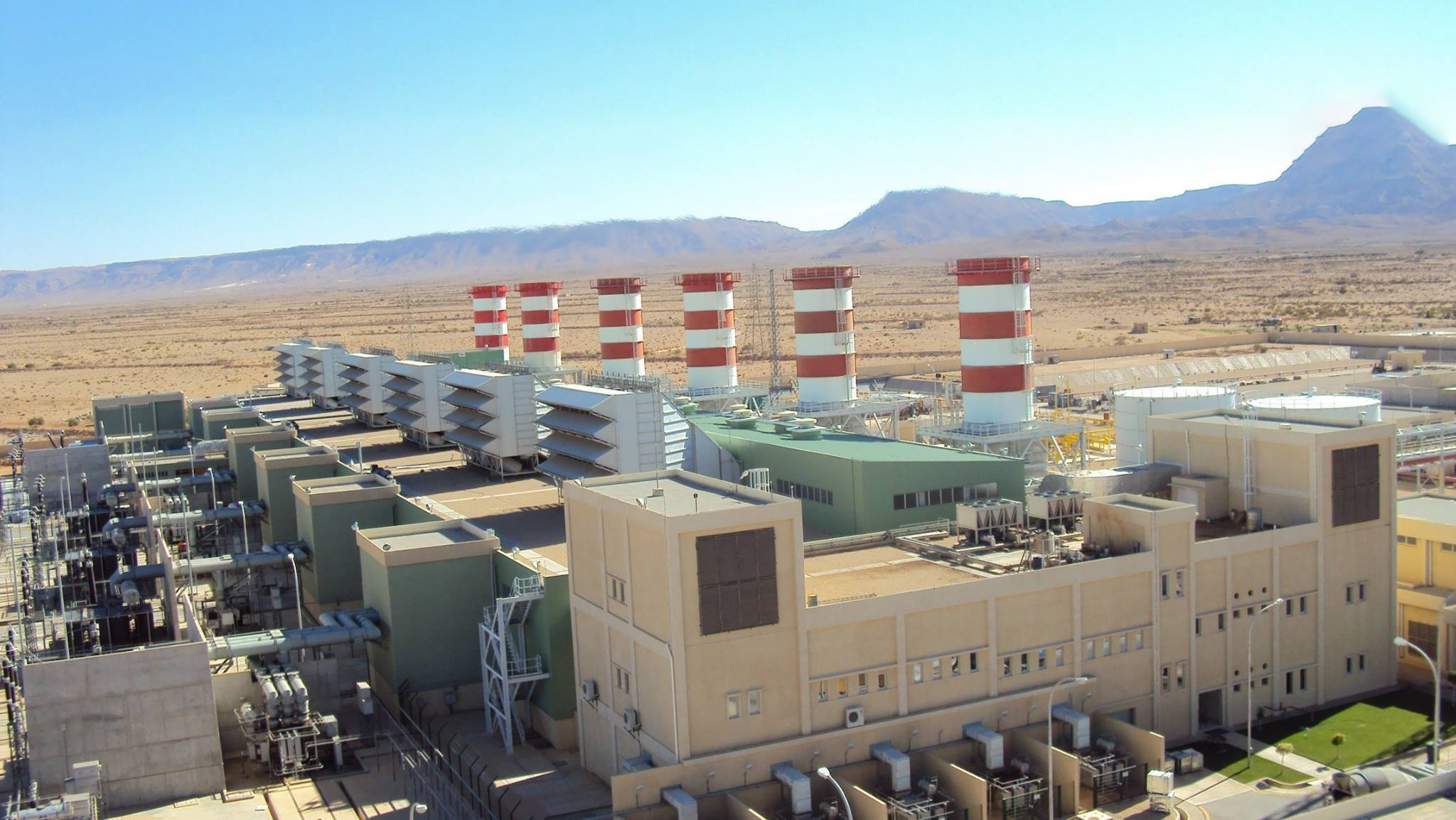
This latest blackout, the third in forty-eight hours, highlights a crumbling energy sector that is rapidly destabilizing the country's fragile political status quo. As air conditioners failed and water taps ran dry, public frustration boiled over, adding heat to the already volatile standoff between Prime Minister Abdul Hamid Dbeibah’s Tripoli-based government and its eastern rivals. The energy crisis has become a flashpoint for civil unrest, with protesters previously storming the Mellitah complex and disrupting production at the El Feel and Wafa oil fields.
Recent drone strikes targeting the Zawiya energy hub have further crippled the grid, taking more than 700 MW of capacity offline. While Libya pushes to reach a production target of 2 million barrels per day by the early 2030s, the national infrastructure remains dangerously vulnerable. The National Oil Corporation has signaled that if security conditions continue to deteriorate, it may be forced to declare force majeure on exports. For now, the wealth generated by Libya's oil fields remains locked at the top, leaving the population to cope with a failing grid and the constant threat of total system collapse.
:strip_icc()/i.s3.glbimg.com/v1/AUTH_63b422c2caee4269b8b34177e8876b93/internal_photos/bs/2023/o/X/I6FoqWTYuHC14dh1EeaA/dexco-sede-da-empresa-divulgacao.jpg)


Comments (0)
No comments yet. Be the first!