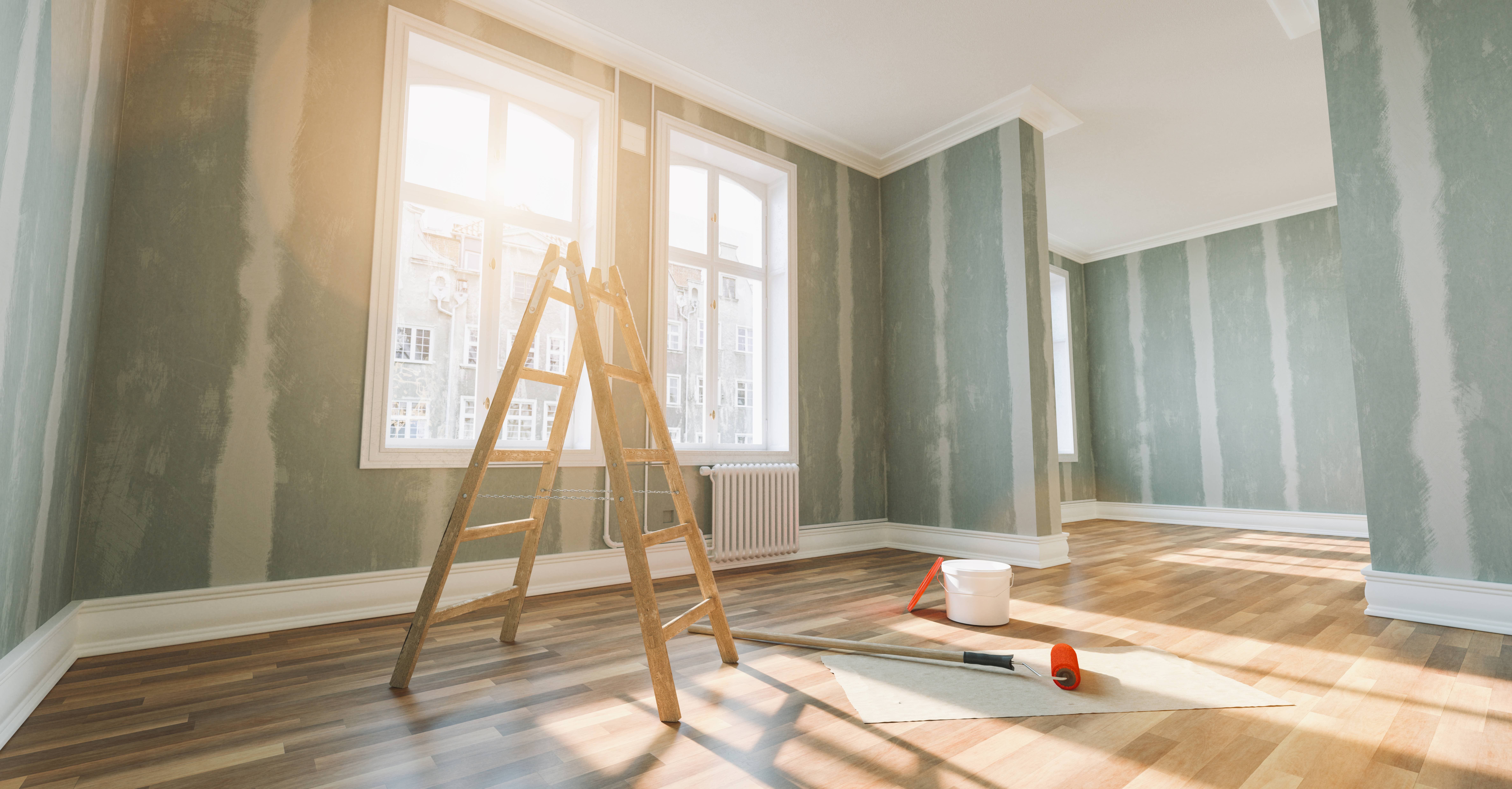
Most regional insurance policies rely on replacement cost rather than current market value. This calculation determines the payout necessary to rebuild a structure using modern labor and material prices. When a homeowner adds square footage or installs luxury finishes, the cost to rebuild rises, yet the policy often remains tethered to the original, outdated construction details.
This discrepancy creates significant exposure during a loss. Marcus notes that even minor improvements, such as new roofing or outdoor decks, can elevate replacement costs without triggering automatic coverage adjustments. The problem is exacerbated by current volatility in construction labor and material prices, which can leave even untouched homes underinsured.
Transitioning from a builder’s policy to standard coverage also requires precision. Custom siding, expanded floor plans, and specialized structural features must be accounted for before a property is finalized. Beyond structural changes, lifestyle additions like swimming pools or detached workshops introduce new liability risks that standard policies may not cover. Marcus encourages regular policy audits to ensure that coverage remains synchronized with the actual state of the home, rather than the blueprints of the past.




Comments (0)
No comments yet. Be the first!