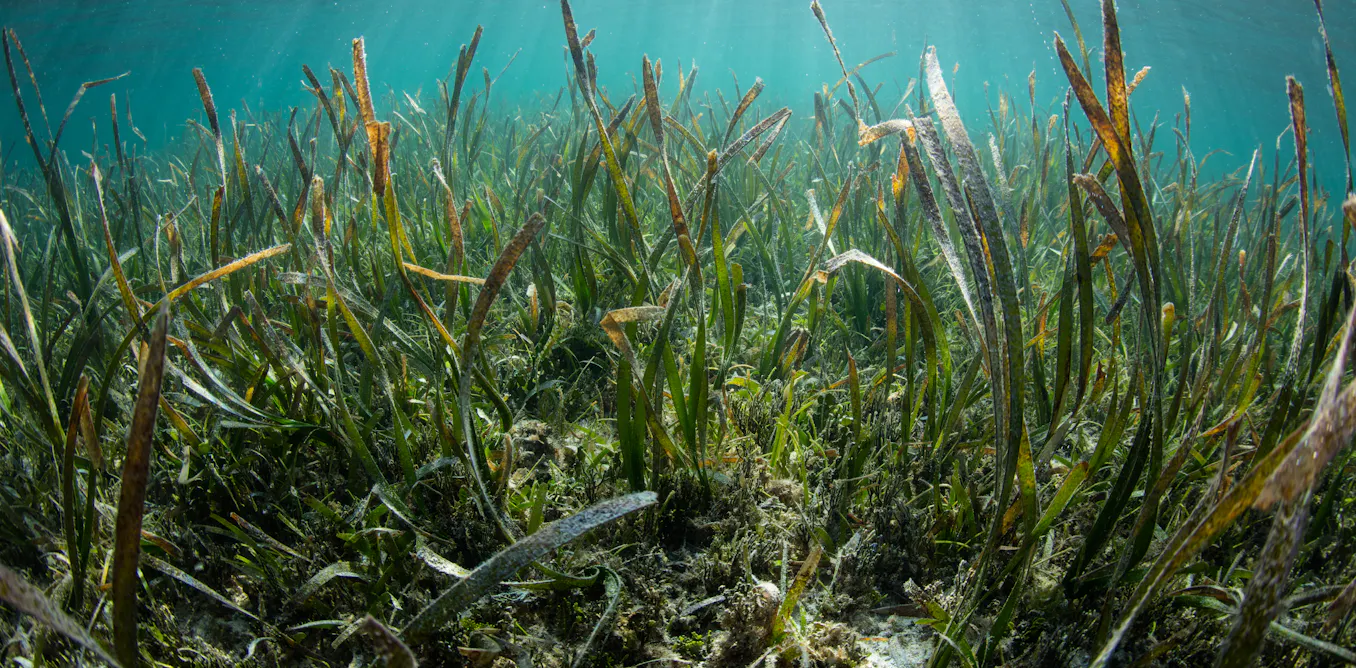
The research, published in Science of the Total Environment, utilizes the Seagrass Ecological Quality Index (SEQI) to bridge gaps in fragmented marine data. By synthesizing five variables—species richness, seagrass cover, water clarity, macroalgae, and epiphyte cover—the team created a comprehensive diagnostic tool for tropical marine ecosystems. This method moves beyond isolated measurements, allowing scientists to categorize coastal patches into three functional zones: hotspots for active protection, coldspots for restoration, and spatial outliers that require unique management strategies.
Professor Rohani Ambo-Rappe emphasizes that effective stewardship of these blue carbon reservoirs demands a departure from generic policy. By identifying transition areas where conditions deviate from neighboring ecosystems, the study offers a roadmap for local authorities to intervene before irreversible degradation occurs. These findings directly support United Nations Sustainable Development Goals 13 and 14, providing a scalable model for coastal nations to maximize the impact of limited conservation funding.



Comments (0)
No comments yet. Be the first!