For decades, the independence of central banks from government budget needs served as a cornerstone of economic stability in wealthy nations. The fear is that if a central bank creates money to plug deficits, the resulting inflation could devalue currencies and trigger capital flight. Historically, this practice has been avoided in developed economies, yet ballooning debt burdens since the 2008 financial crisis and the pandemic are testing that resolve.
In the United States, deficits have exceeded 4% of economic output every year since 2019, even during periods of growth. While investors have absorbed this debt, rising long-dated Treasury yields suggest a growing strain on the market. Treasury Secretary Scott Bessent has already hinted at the Fed expanding its lending facilities to shield bond markets from volatility, a move that critics view as a subtle encroachment on the Fed's autonomy.
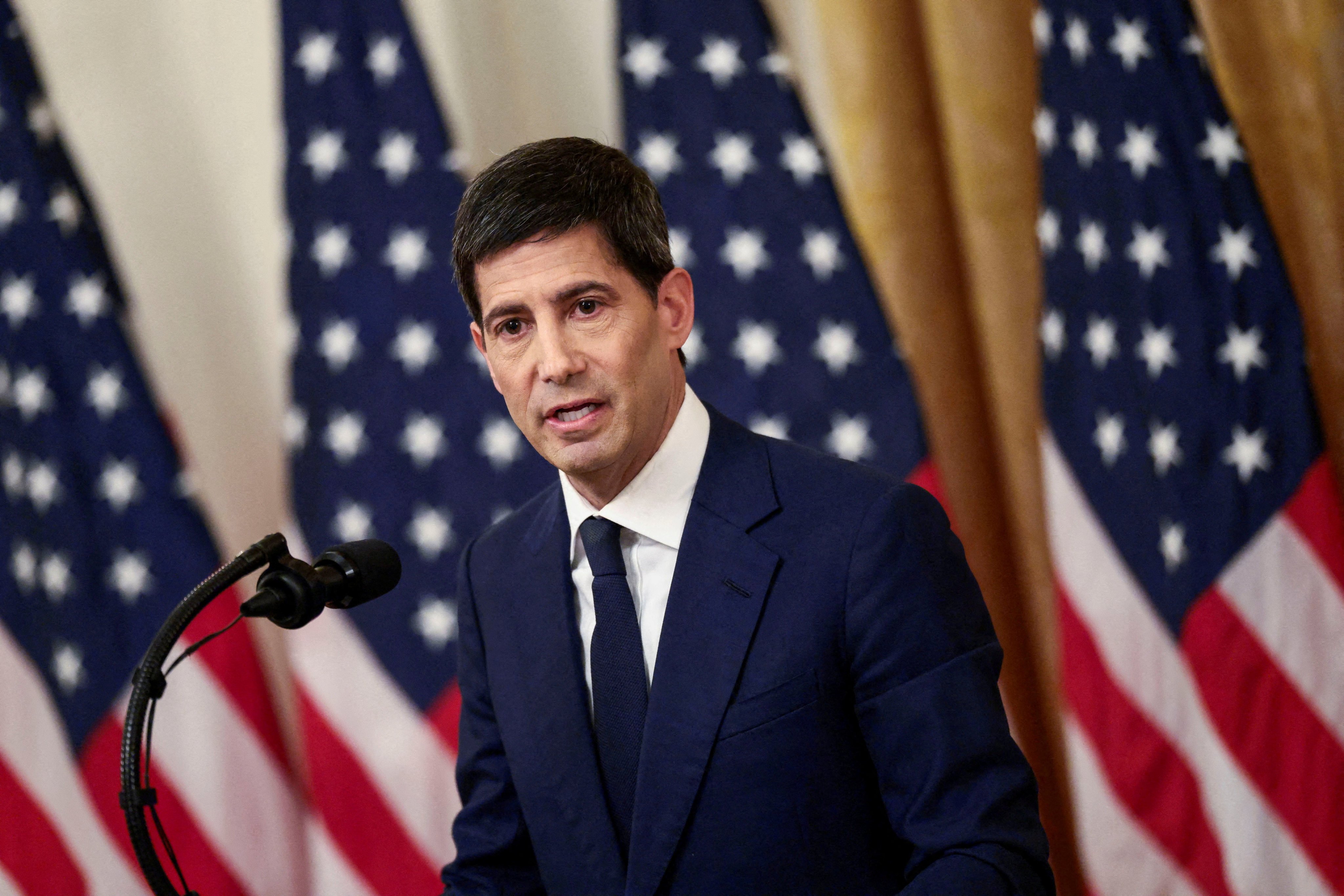
Fed chair Kevin Warsh enters the discussion under intense scrutiny regarding his independence from political pressure. While major central banks maintain that their bond-buying programs are strictly tools for employment and inflation mandates, historical precedents like Japan’s yield-curve control or the Fed’s own 2011 'Operation Twist' demonstrate how easily monetary policy can be repurposed to lower government financing costs. As debt piles reach historic heights, the 1951 Treasury-Federal Reserve Accord—which established the modern standard of central bank independence—is being viewed by some as an increasingly fragile relic of a different era.



Comments (0)
No comments yet. Be the first!