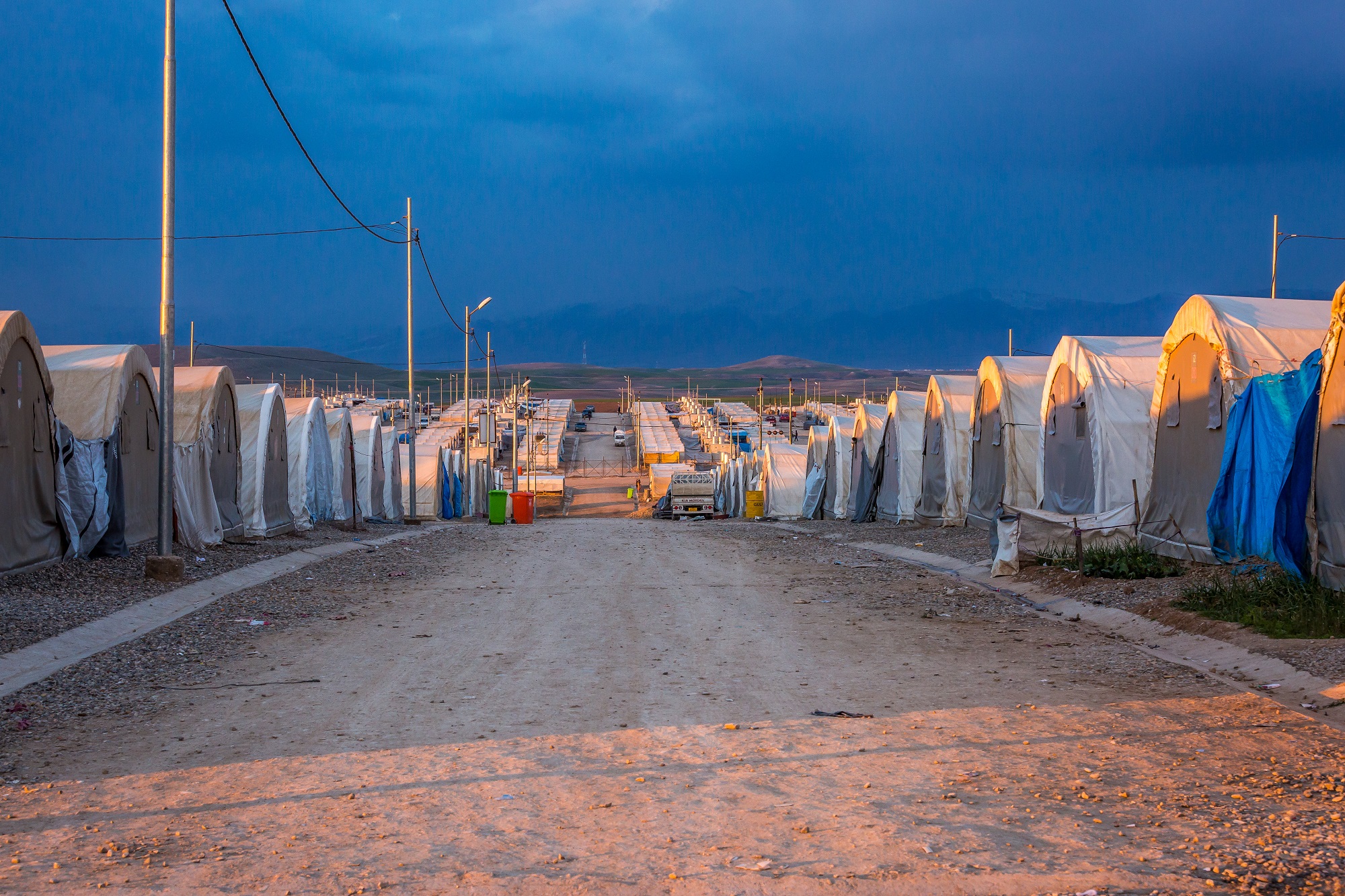
At the opening of World Water Week in Stockholm, the focus shifted toward the hidden costs of protracted crises. While emergency measures like water tankering provide a vital lifeline in the first weeks of a conflict, relying on them for a decade creates fragile, expensive, and unsustainable dependencies. Hydrachem, which provides water purification technology across 60 countries, argues that this reliance on stopgap solutions is failing millions in regions like Syria, Yemen, and South Sudan.
The human cost of this infrastructure gap is becoming increasingly lethal. Cholera deaths across Africa reached an estimated 7,500 in 2025, nearly doubling the toll of previous years. Nicholas Barbieri, Chief Commercial Officer at Hydrachem, points out that the emergency phase of these crises often ends years before the infrastructure does. By treating durable, long-term water resilience as a distinct humanitarian priority rather than an extension of temporary relief, donors and NGOs could replace precarious supply chains with local, reliable maintenance systems capable of protecting displaced populations for years to come.


Comments (0)
No comments yet. Be the first!