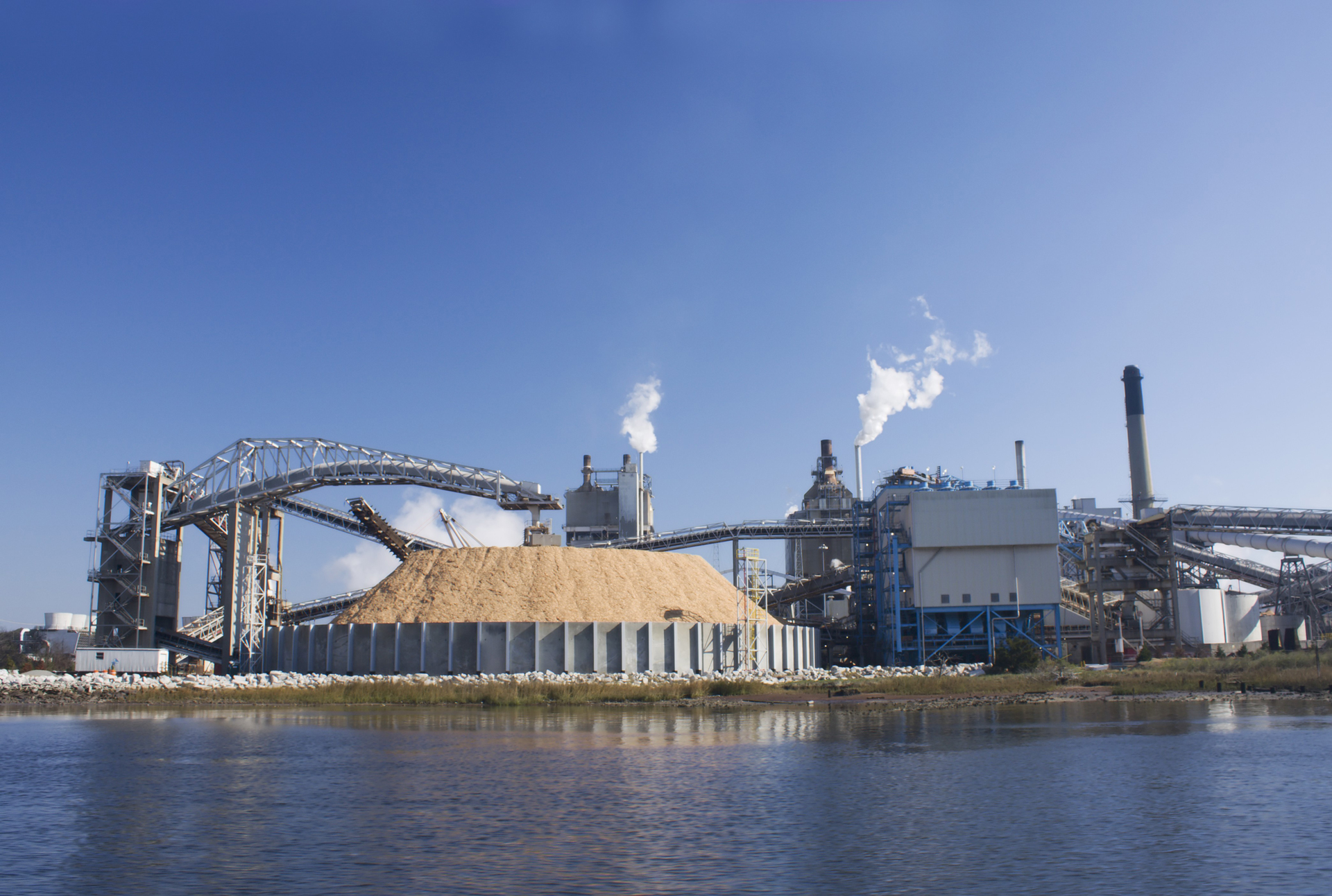
The report, authored by Brooks Mendell and Amanda Lang, compiles firsthand testimony from executives managing wood-consuming assets. These leaders describe a sector caught between global product competition and the rigid constraints of local wood fiber economics. Efficiency gains and the rising integration of recycled materials have intensified margin pressures, leaving older American facilities at a distinct disadvantage compared to newer, modernized mills in Asia and South America.
Industry leaders are now pushing for specific policy interventions to stabilize the sector. At the federal level, firms prioritize predictable trade policies that account for the production cost disparities created by subsidized imports. They also advocate for incentives to expand the use of wood pulp as a sustainable alternative to plastics. State-level priorities center on operational agility, specifically through streamlined environmental permitting processes and efforts to lower logistics costs, such as increasing allowable truck weights and reducing insurance burdens. Forisk’s analysis confirms that regulatory predictability remains the primary variable determining whether capital flows into domestic manufacturing or remains sidelined.




Comments (0)
No comments yet. Be the first!