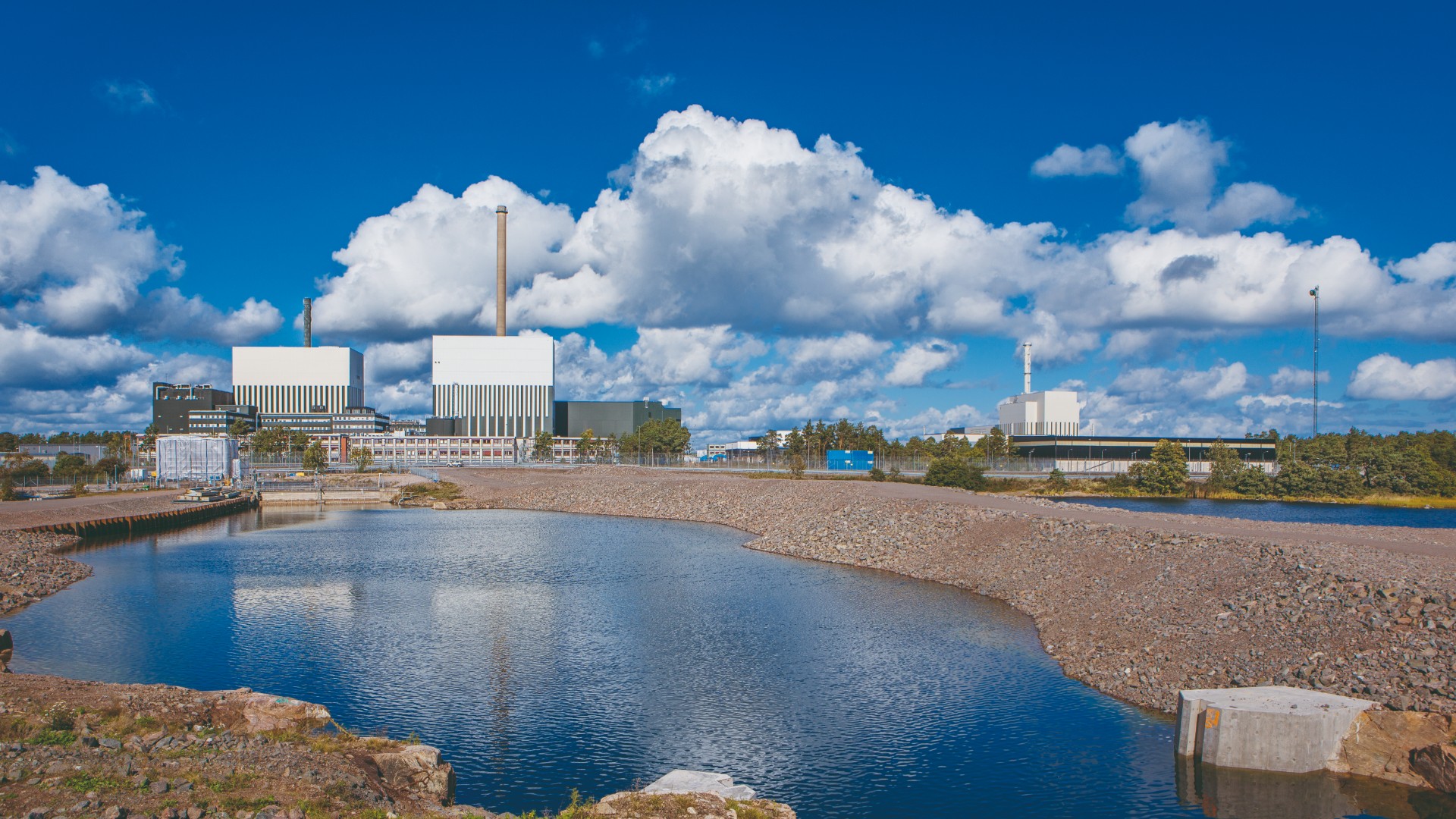
The proposed development hinges on complex variables, including technology selection and the establishment of a risk-sharing framework between the private sector and the Swedish government. Fortum emphasized that the project’s viability depends on long-term political stability, secured land rights at the Ävrö site, and guaranteed customer offtake commitments. This initiative aligns with Sweden’s ambitious national energy strategy, which aims to commission two new reactors by 2035 and reach a total of ten by 2045.
To facilitate this transition, the Swedish government is preparing a financial package featuring state-backed loans and contracts for difference. This policy shift underscores a broader movement away from a strictly renewable-focused grid to a "fossil-free" mandate, effectively reversing the country’s 1980 nuclear phase-out policy. Currently, only six of the nation’s original twelve reactors remain active. While Fortum pursues its large-scale project, the broader market is also exploring decentralized options; earlier this year, Videberg Kraft selected Rolls-Royce to deploy three Small Modular Reactors on the west coast.


Comments (0)
No comments yet. Be the first!