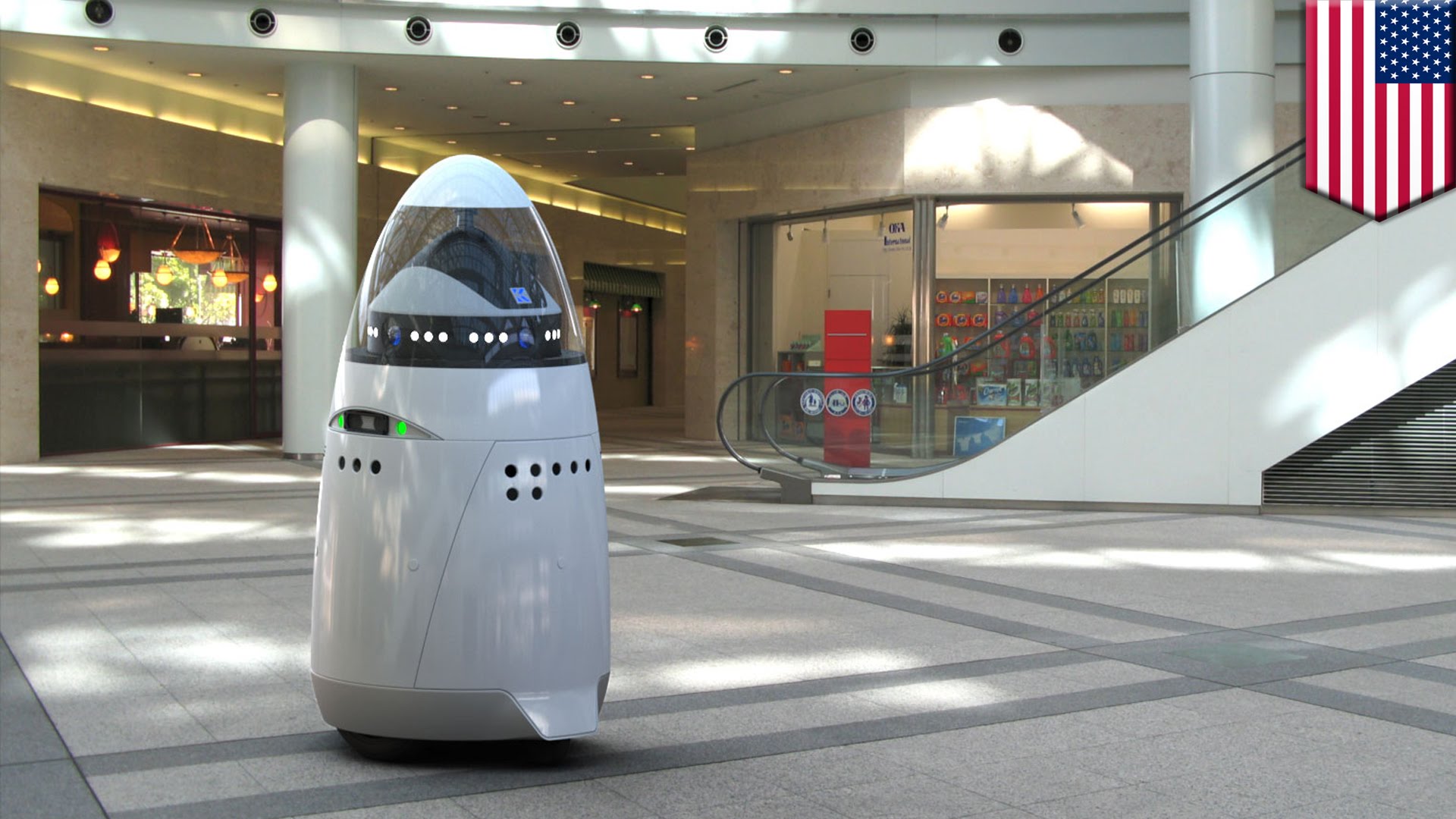
The tension between technological advancement and national security was highlighted at the 2026 World Robot Conference in Beijing, where firms showcased military-related autonomous applications just weeks after the U.S. Federal Communications Commission announced a ban on new foreign-made robot imports. This regulatory shift has placed a spotlight on Silicon Valley-based Knightscope, Inc., which is attempting to unify fragmented security sectors into a single autonomous force. By pairing AI-driven software with human agents, Knightscope aims to replace disparate vendor systems with a consolidated, accountable operation. The company recently reported a record second quarter with $9.0 million in revenue, a 228% increase year-over-year, and has logged over 4.4 million autonomous hours across 42 states.
Beyond security, the broader physical AI landscape is rapidly scaling. Tesla, Inc. is gearing up for mass production of its Optimus humanoid, targeting a capacity of up to 10 million robots annually at its Texas Gigafactory. Meanwhile, Serve Robotics has deployed over 2,000 delivery units across U.S. cities, and Richtech Robotics is exploring human-robot interaction via its ADAM humanoid. Supporting this infrastructure, NVIDIA Corporation continues to provide the essential computing backbone, recently launching the Jetson Orin Nano 2 to enhance real-time reasoning in edge devices. As these technologies move into hospitals, factories, and city streets, the industry faces a pivotal moment: the transition from experimental prototypes to an integrated, autonomous layer of the physical economy.


Comments (0)
No comments yet. Be the first!