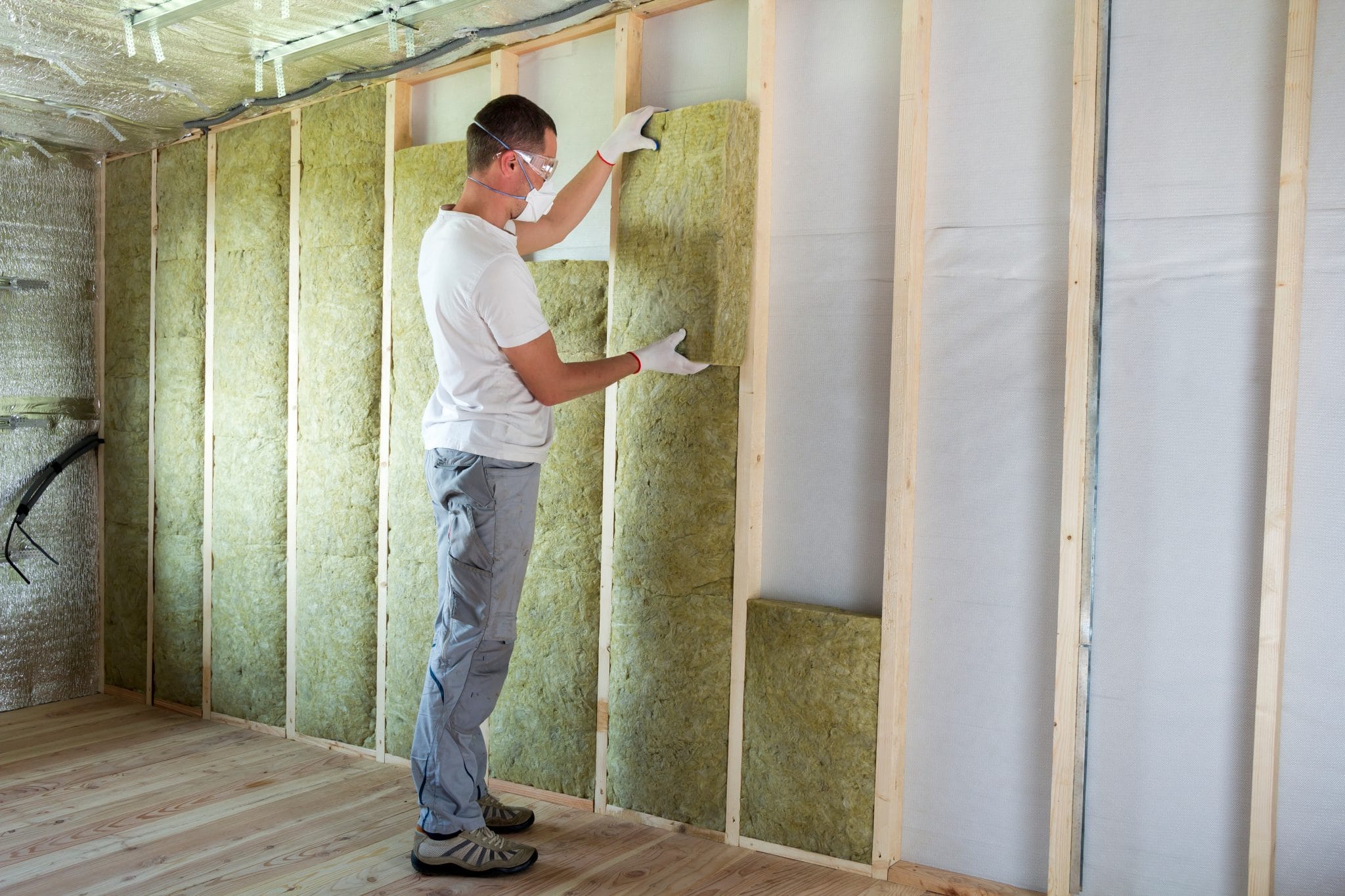
Insulation is designed to slow heat transfer through floors, walls, and ceilings, but it is not a sealant. When air gaps remain in window frames, attic hatches, or around utility penetrations, conditioned air escapes while outside drafts infiltrate the interior. According to Darren Haggett, branch manager at Builders Installed Products of New York LLC, homeowners often mistakenly view insulation as a cure-all for comfort issues. In reality, air sealing and insulation function best as a unified system rather than as independent solutions.
Older homes are particularly susceptible to these issues due to structural settling and aging materials. Haggett suggests that before adding more material, property owners should prioritize identifying specific leak points. Techniques such as blower door tests or thermal imaging can pinpoint hidden gaps in attics, basements, and crawl spaces, which are often the primary culprits for energy loss. Addressing these openings first ensures that the subsequent insulation layer can perform as intended, preventing the heating and cooling systems from overworking to compensate for constant air exchange.


Comments (0)
No comments yet. Be the first!