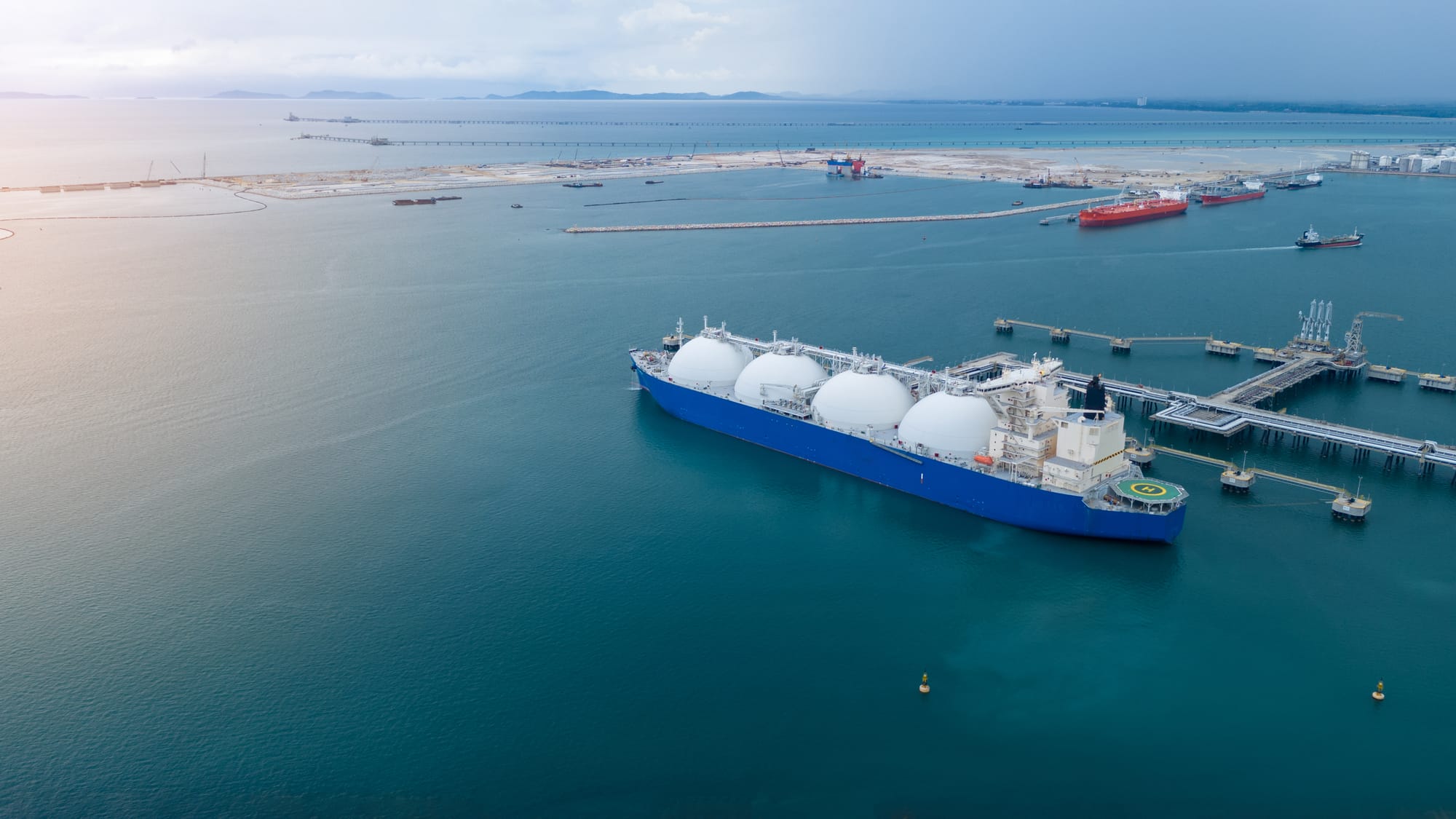
The logistical pivot involves vessels like the Greek-owned GasLog Shanghai, which transferred its cargo to the GasLog Savannah following a July incident in the Strait. Similarly, Qatar’s Al Rekayyat and ADNOC’s Mraweh performed mid-sea transfers before their respective cargoes were successfully routed to India and Japan. While crude oil flows through the chokepoint have shown signs of a rebound, LNG shipments remain severely restricted, forcing producers to adopt these complex, high-cost maneuvers to maintain delivery schedules.
This regional paralysis, coupled with an extended force majeure on Qatari exports and rising geopolitical tensions between the U.S. and Iran, has sent shockwaves through the global energy market. Asian spot prices for LNG have climbed to a five-month peak, while European natural gas benchmarks reached a three-and-a-half-year high this week. The reliance on ship-to-ship transfers underscores the precarious state of energy security in the Persian Gulf as standard shipping routes remain effectively obstructed.




Comments (0)
No comments yet. Be the first!