
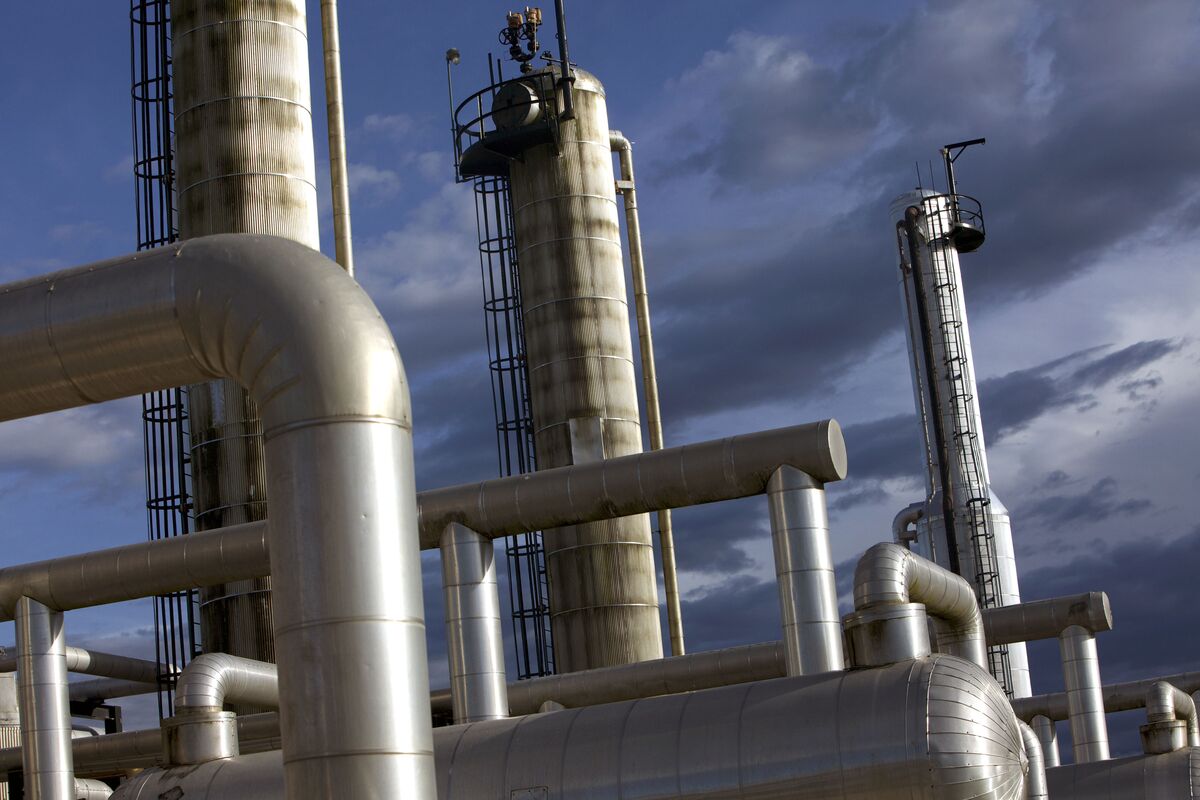
The deal involves the Kondensat refinery in western Kazakhstan, which has begun processing Russian crude to return approximately 70 percent of the finished product to the Russian market. While this move highlights Moscow’s growing desperation, the facility’s output is negligible compared to the 120,000 metric tons of gasoline Russia consumes daily during the summer. Kondensat’s annual capacity covers only about 0.3 percent of that requirement, offering little more than a symbolic stopgap for a military and domestic economy struggling with acute shortages.
Analysts suggest the arrangement points to a wider, more aggressive strategy to coerce Central Asian neighbors into filling the void left by disabled refineries. However, the region lacks the surplus capacity to make a meaningful difference. Beyond the logistical limitations, governments in Kazakhstan and Uzbekistan face the looming threat of secondary Western sanctions. As Kyiv continues to target Russian energy assets, the prospect of becoming a reliable supplier for Moscow’s war effort carries significant risks for regional players, potentially deterring others from following the Kondensat model.



Comments (0)
No comments yet. Be the first!