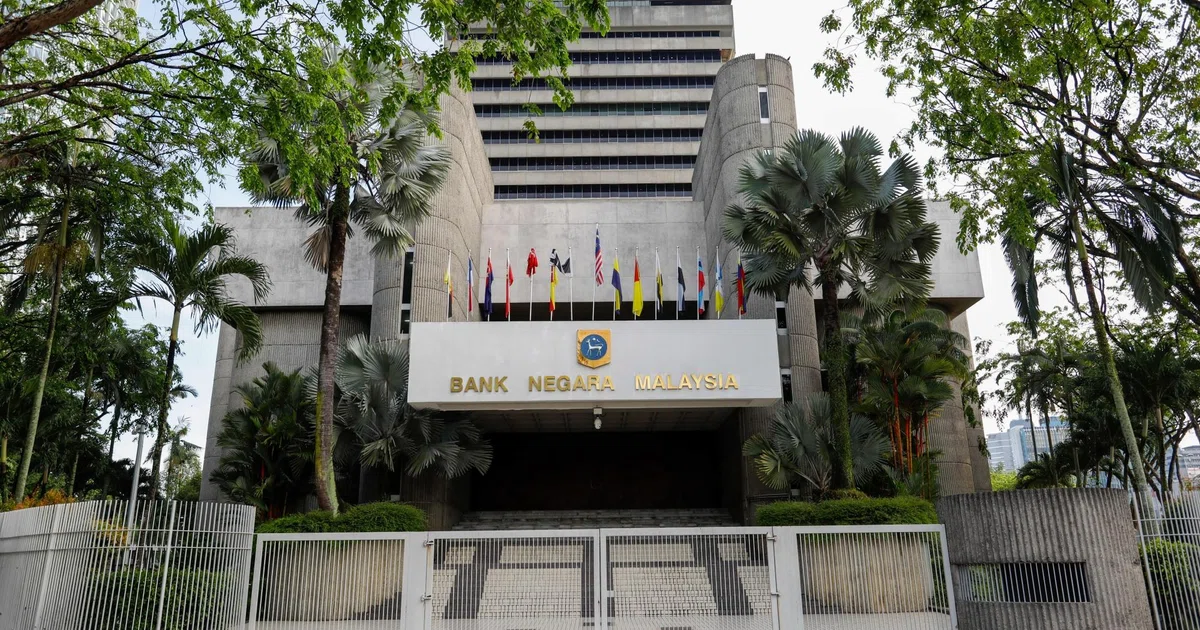
The central bank characterized the current monetary stance as consistent with sustainable growth and price stability, though subtle changes in the phrasing of its policy statement caught the attention of market analysts. ANZ economists noted the omission of the word "appropriate" from the bank’s policy description, interpreting the shift as a move toward a more hawkish posture. Sanjay Mathur of ANZ suggests this change signals a potential decrease in comfort with current levels of policy accommodation, keeping a 25-basis-point hike on the table for the November meeting.
Barclays analysts share the view that the tone has hardened, projecting a rate increase to 3.00% by early 2027. Despite these expectations, the economic landscape remains anchored by strong performance, with Malaysia recording 5.7% growth in the first half of 2026. Bank Negara anticipates full-year growth near 5%, driven by the global tech boom and resilient domestic demand. While Capital Economics expects the rate to stay at 2.75% through 2027—arguing the AI-driven economy requires no further stimulus—the central bank remains cautious, citing potential inflationary risks stemming from Middle East instability and global commodity prices.



Comments (0)
No comments yet. Be the first!