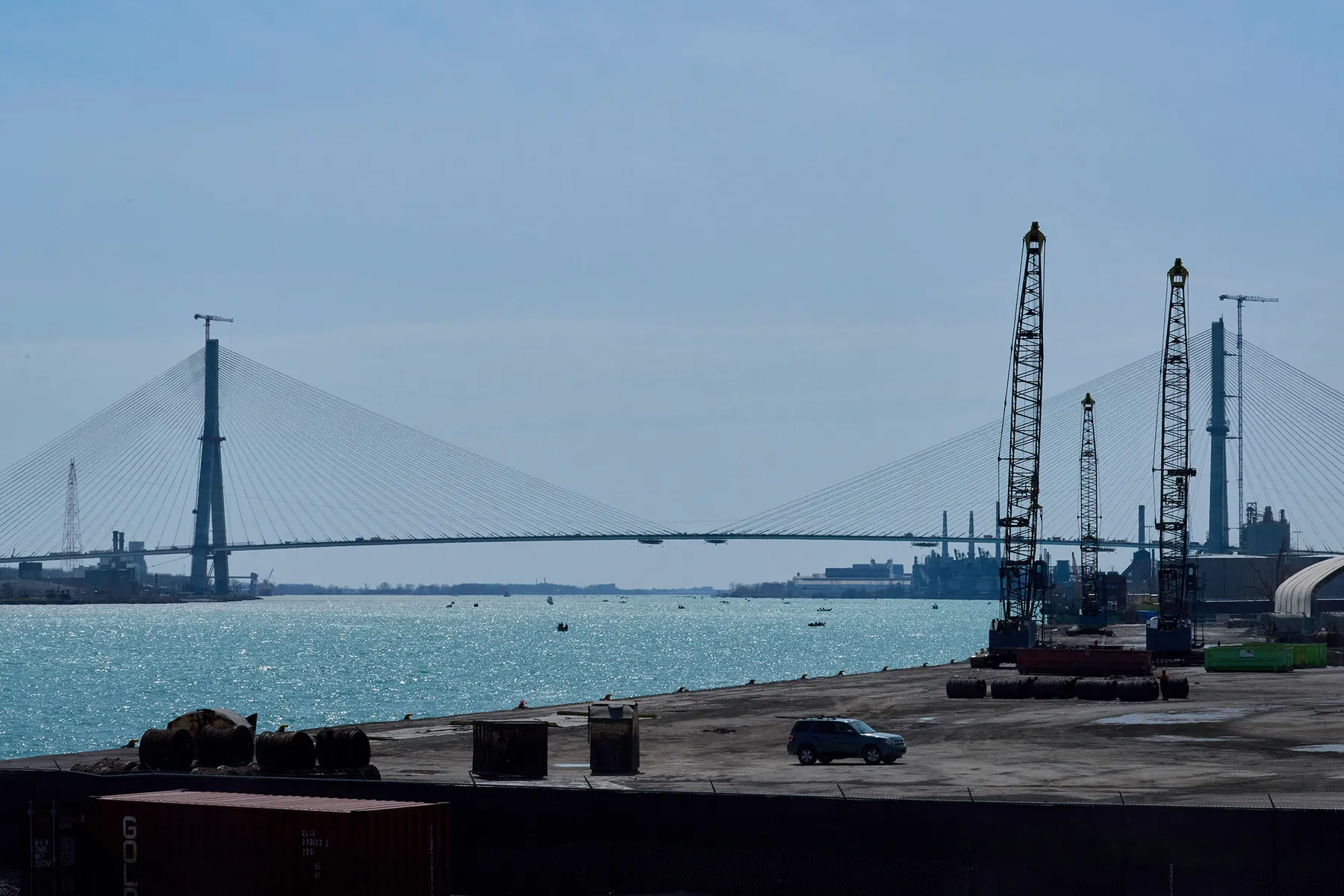
Canadian Prime Minister Mark Carney confirmed on Tuesday that he spoke directly with the President following a Truth Social post where Trump insisted on "at least" half-ownership of the bridge. During the call, Carney reminded the U.S. administration that the Canadian government funded the project's construction, noting that Michigan already holds a stake and that American labor and steel were utilized throughout the process. While the two leaders agreed to continue discussions in parallel with broader trade negotiations, Carney told reporters he expects the matter to be resolved.
The bridge, managed by the Windsor-Detroit Bridge Authority, has become a flashpoint in a widening trade conflict. Beyond the bridge's toll revenue, Trump has linked the opening to several contentious policy issues:
- The sale of U.S. wines and spirits in Ontario’s government-run liquor stores.
- Canada’s decision to lower tariffs on Chinese electric vehicles.
- Strict Canadian quotas on foreign dairy imports.
- Regulatory approvals for Gulfstream aircraft relative to Montreal-based Bombardier.
A Geopolitical Stalemate
The standoff follows a period of heightened friction over Carney’s foreign policy. Trump has previously threatened 100% tariffs on all Canadian exports if Ottawa pursues a free-trade deal with Beijing. This rhetoric intensified after Carney’s recent speech urging smaller nations to resist "economic coercion" from global powers, a move widely viewed as a critique of both Washington and Beijing.
Construction on the Gordie Howe International Bridge began in 2018 and was originally championed by Trump in 2017 as a "vital economic link." However, the current administration’s shift toward leveraging infrastructure for trade concessions suggests a more transactional era for the world's longest undefended border.

Comments (0)
No comments yet. Be the first!