The economic ripple effect of energy costs is no longer confined to the pump. While businesses initially absorb rising fuel expenses to protect margins, the sustained nature of this crisis makes retail price increases inevitable. Economists warn that energy inflation travels through every logistics chain, eventually reaching the end consumer as costs for transport by truck, airplane, and cargo ship mount.
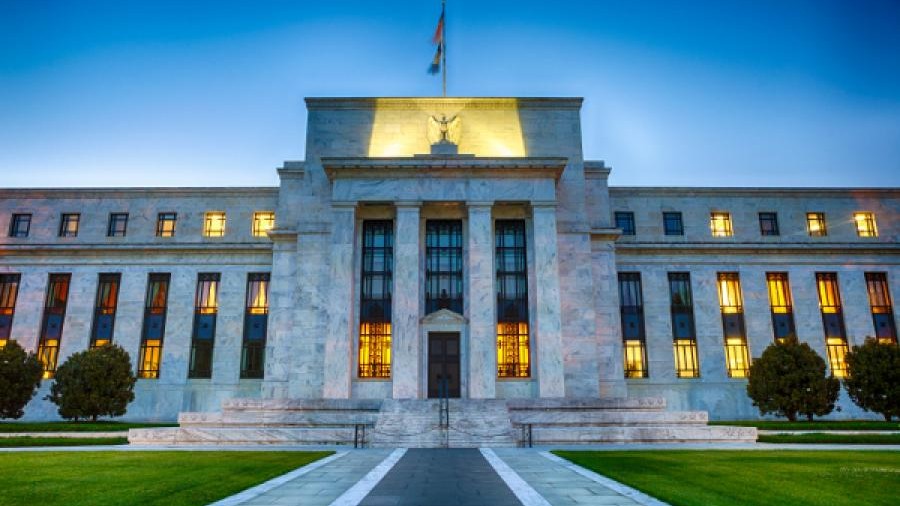
Central banks are shifting their stance accordingly. Traders now place the probability of a Federal Reserve rate hike at 90%, driven by the reality that the conflict in the region is unlikely to abate quickly. The European Central Bank has already implemented a 25 basis point increase, with President Christine Lagarde acknowledging that refining margins and crack spreads—topics once considered peripheral—are now central to monetary policy. Even corporate hedging strategies offer only a temporary buffer; as these fixed-price contracts expire, companies will be forced to secure new supplies at significantly higher market rates.
The situation is compounded by physical threats to energy infrastructure. The recent drone strike on Saudi Arabia’s East-West pipeline, which jeopardized 4% of global oil supply, underscores the fragility of current logistics. With the Northern Hemisphere approaching peak winter demand and existing stockpiles at dangerously low levels, the options for mitigating a broader inflationary spiral are vanishing. As supply chains tighten and geopolitical instability persists, the prospect of a soft landing for the global economy is increasingly remote.




Comments (0)
No comments yet. Be the first!