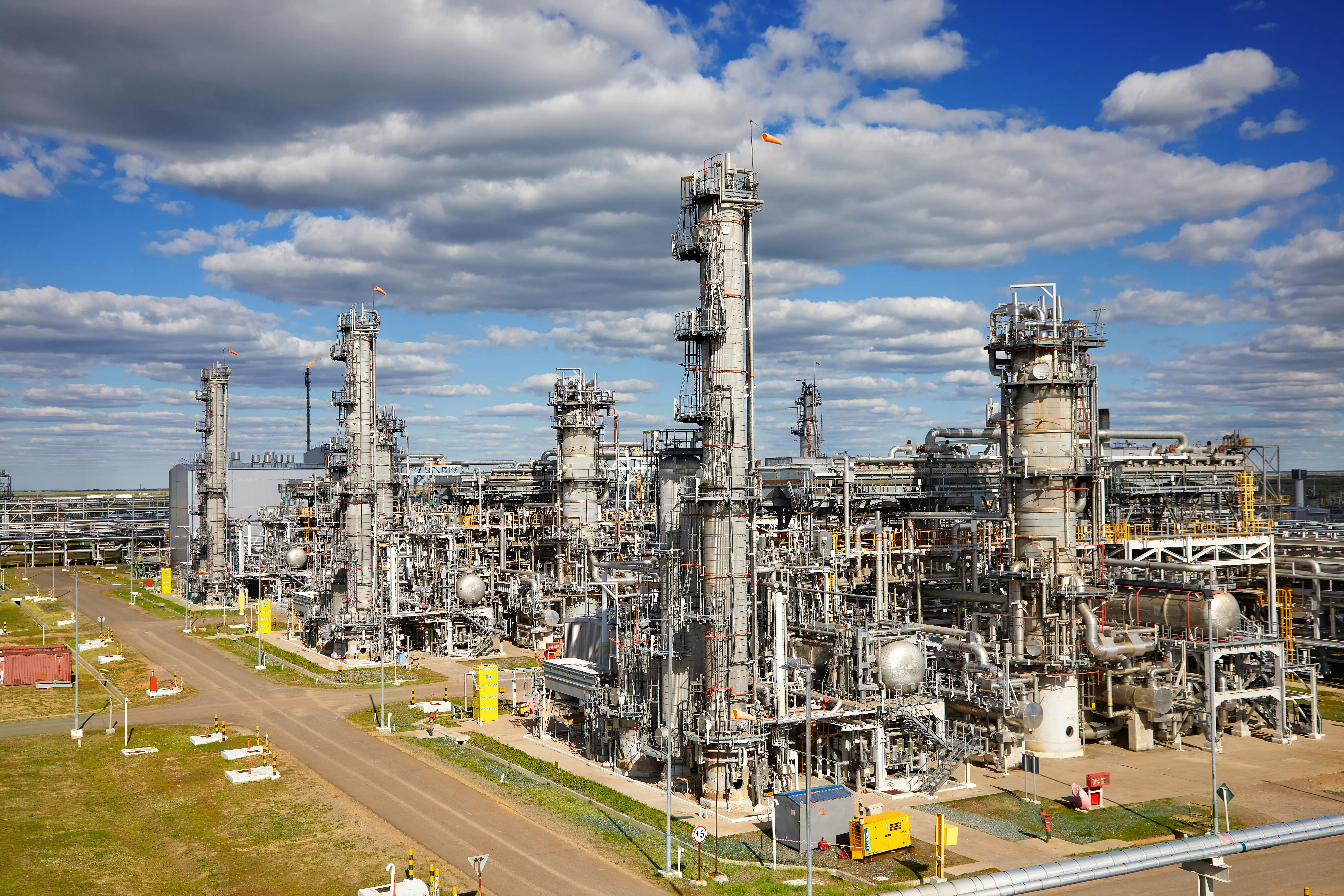
Kazakhstan’s energy sector is struggling under the weight of falling output and logistical fragility. Government data reveals that oil production reached only 61.7 million tons in the first eight months of 2026, missing official targets by 8.4 percent. Maintenance at the Karachaganak field, a primary production hub, has further hampered capacity, forcing authorities to slash the annual production forecast to 96 million tons from an initial 100 million. This decline follows a 2025 output of 99.6 million tons.
Export logistics present an even greater obstacle. Approximately 80 percent of the nation’s crude travels via the Caspian Pipeline Consortium (CPC) to the Russian port of Novorossiysk, a facility increasingly vulnerable to drone strikes. The most recent attack occurred on September 8, highlighting the instability of the primary export artery. While officials have pursued alternative routes through Azerbaijan, including the Baku-Tbilisi-Ceyhan pipeline, the current infrastructure is insufficient. The BTC pipeline handles only a fraction of the volume required to replace the CPC, which moved 65 million tons of Kazakh crude last year.
Breaking this dependence requires a trans-Caspian pipeline, an expensive and long-term project that Kazakhstan cannot fund alone. Analyst Joseph Shumunov argues that if Europe—which imported 52.4 million tons of Kazakh crude in 2024—seeks to diversify its supply, it must provide the necessary financing and long-term commitments to make such infrastructure projects viable.




Comments (0)
No comments yet. Be the first!