The diplomatic outreach to the group commonly known as the Houthis marks a significant tactical shift. According to reports, Ansar Allah confirmed its intent to avoid targeting U.S. interests, focusing instead on Saudi forces and vessels navigating the Red Sea. This assurance likely influenced the Trump administration’s decision to remain on the sidelines, despite intense pressure from Riyadh to intervene after the group secured control of the strategic Bab al-Mandeb Strait.
Saudi Arabia’s military position remains precarious. Following the collapse of a four-year truce in July, the kingdom has faced a relentless campaign of drone and missile strikes. With domestic air-defense stockpiles dwindling—partly due to the high costs of intercepting projectiles—Riyadh has reportedly reached out to Britain, France, Egypt, and Pakistan for support. The economic fallout is equally severe; the closure of the east-west pipeline and restricted traffic through the Strait of Hormuz have forced the kingdom to seek an $8 billion loan from commercial lenders to stabilize its finances.
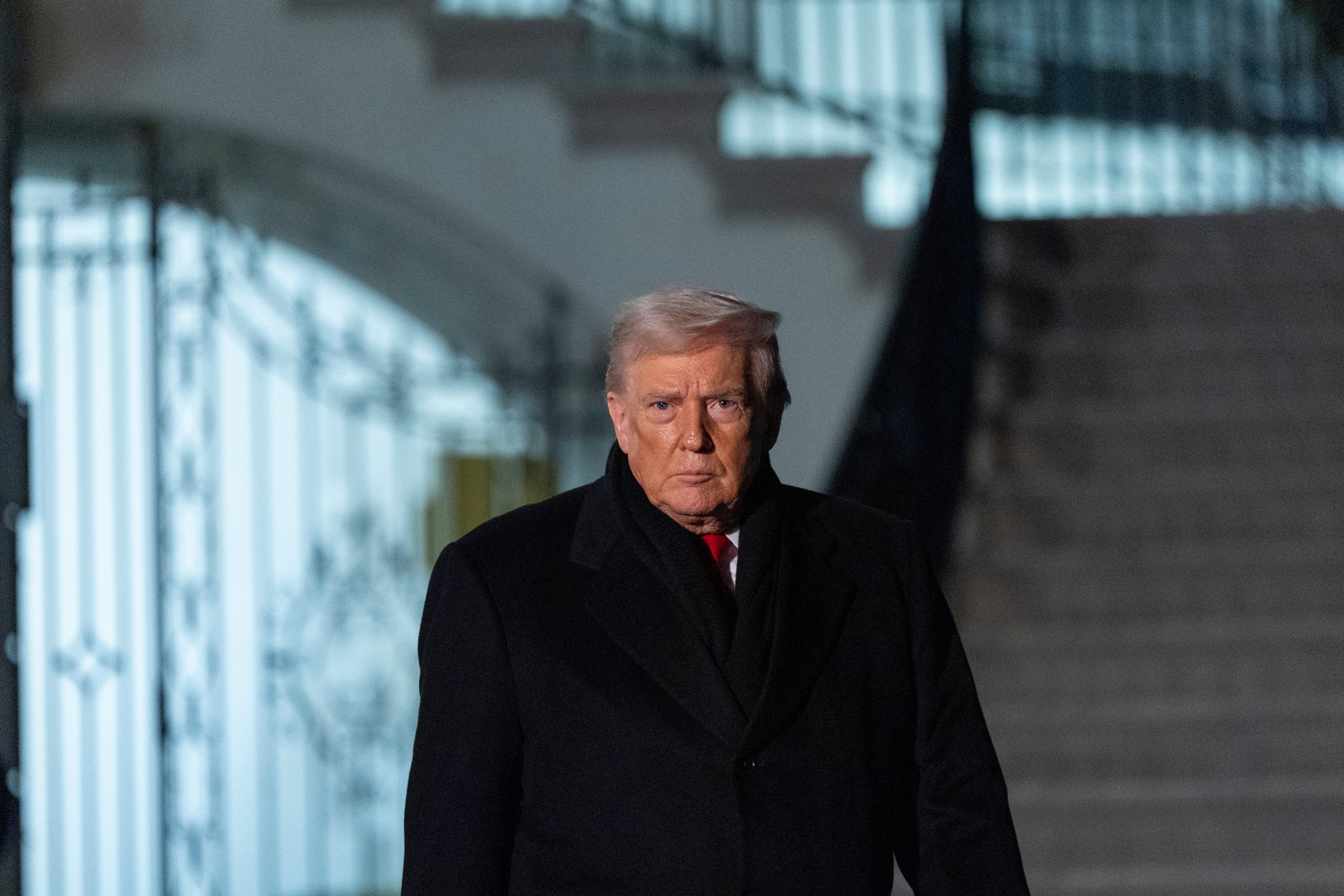
While President Trump prepares to meet Persian Gulf leaders at the UN General Assembly to discuss regional strategy, the prospect of a "postwar" plan remains elusive. Critics suggest the administration’s earlier encouragement of Saudi aggression against Ansar Allah backfired, leaving the kingdom vulnerable and the U.S. military scrambling to preserve its own depleted missile interceptor supplies. As repairs to the East-West pipeline begin, the region remains caught between the desire for de-escalation and the reality of ongoing attacks on vital oil infrastructure.




Comments (0)
No comments yet. Be the first!