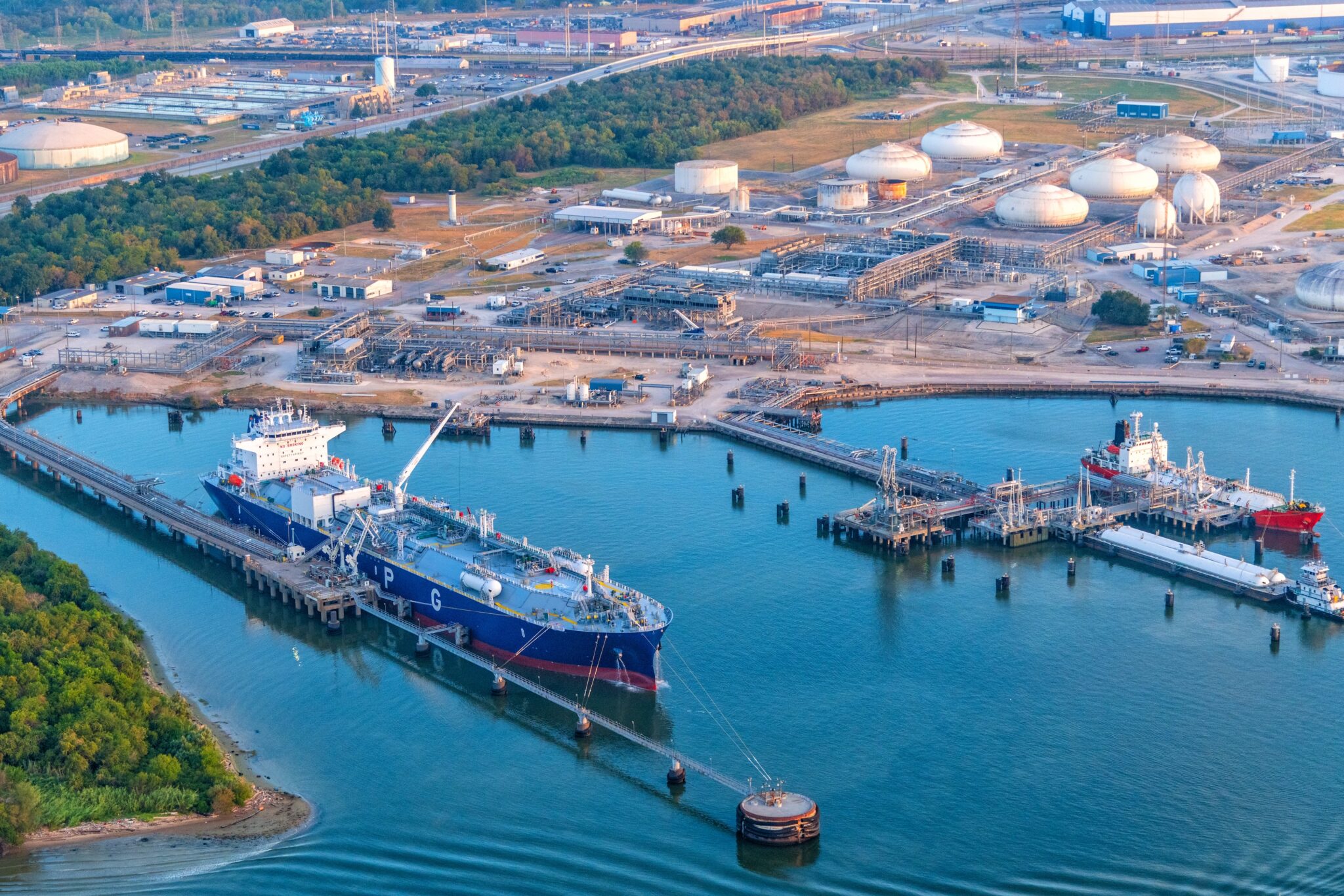
The rapid construction of data centers across Singapore, Malaysia, Thailand, and Indonesia is creating an insatiable appetite for power. Because combined-cycle gas turbines provide the round-the-clock reliability these facilities require, demand for liquefied natural gas has spiked. Singapore currently relies on natural gas for 95 percent of its grid, and as domestic production in neighboring countries peaks and begins to decline, the region is bracing for a surge in import reliance.
Yet, the geopolitical fallout from the war in Iran has exposed the fragility of this dependency. With nearly 90 percent of natural gas passing through the Strait of Hormuz historically destined for Asian markets, the current closure has forced a rethink of energy security. For emerging economies, solar photovoltaics are emerging as a pragmatic alternative. Beyond their environmental benefits, these systems now offer the cheapest and most stable energy source, positioning them as a shield against unpredictable global price shocks.
Despite the clear economic appeal of renewables, the transition faces severe structural limitations. The region currently lacks the transmission and grid infrastructure necessary to support large-scale electrification. Consequently, policymakers are pursuing a dual-track strategy. In the immediate term, they are aggressively securing LNG supplies to support AI-driven growth while simultaneously pouring investment into solar and battery storage to insulate their grids from future geopolitical volatility.



Comments (0)
No comments yet. Be the first!