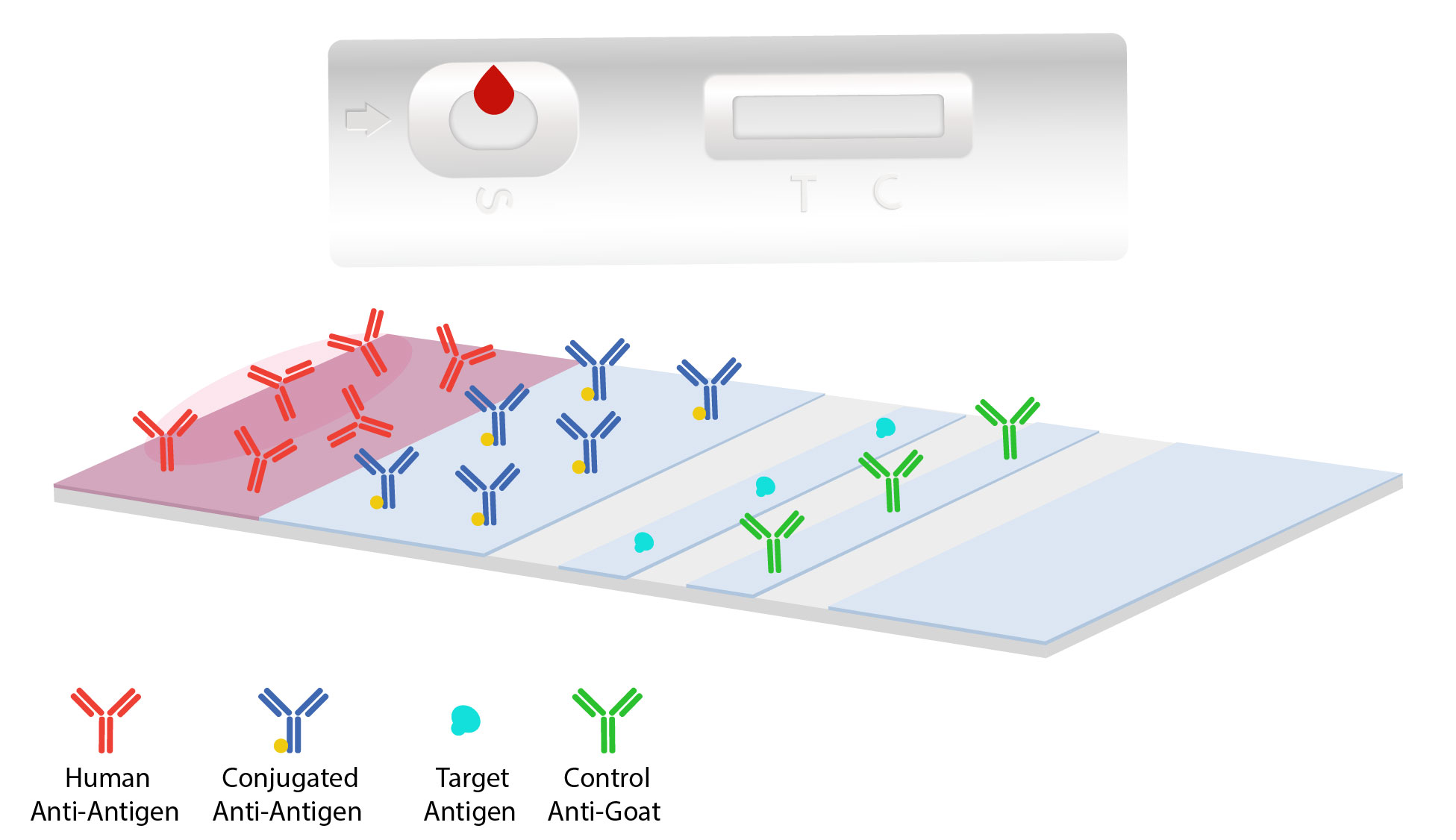
The industry is moving beyond traditional single-analyte strips, embracing multiplex detection assays that allow for the simultaneous identification of multiple pathogens from a single sample. This evolution is particularly critical in syndromic infectious disease testing, where clinicians must often differentiate between respiratory viruses like influenza, RSV, and COVID-19 in real-time. Innovations such as CRISPR-enhanced nucleic acid detection and AI-integrated digital readers are further closing the performance gap between these point-of-care tools and centralized laboratory methods.
Despite this technological trajectory, the sector faces hurdles regarding the perceived accuracy of non-lab diagnostics. Regulatory frameworks remain fluid as markets transition away from pandemic-era emergency authorizations, creating a complex environment for manufacturers. Strategic partnerships are currently defining the competitive landscape, with firms like F. Hoffmann-La Roche and Abingdon Health securing high-volume supply contracts to prepare for potential demand surges. North America currently leads in market share, while the Asia-Pacific region is emerging as the fastest-growing hub for diagnostic infrastructure investment.




Comments (0)
No comments yet. Be the first!