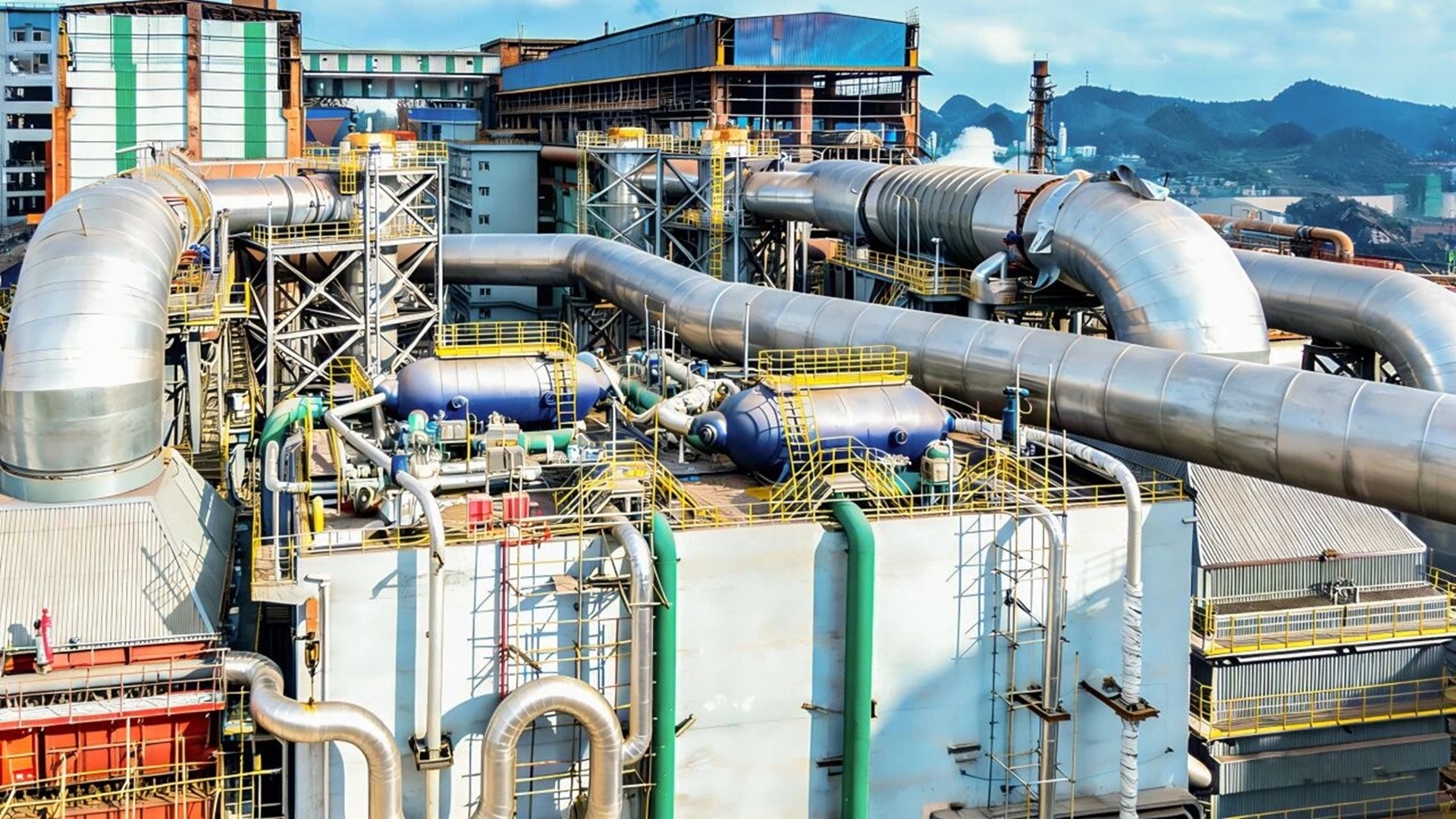
The facility, located at the existing Bajiao power station in Yantai, represents a significant shift in thermal energy management. During periods of low electricity demand, the site captures surplus energy to heat molten salt. When demand peaks, this stored thermal energy powers a closed-loop system where carbon dioxide—maintained at precise temperature and pressure thresholds—acts as the working fluid to drive turbines. This process bypasses the need for water, improves generation efficiency, and offers a more agile response than conventional coal-fired units.
The project’s initial phase includes a 50-megawatt supercritical unit paired with a 100-megawatt molten salt storage system, with operations slated to begin next year. Beyond local grid stabilization, the design serves as a testbed for next-generation applications, including potential future use in nuclear sectors or even lunar environments. This deployment mirrors China’s broader trajectory in the clean energy sector, where the nation has shifted from a follower to a dominant patent holder, accounting for 75 percent of global clean energy patent applications by 2022. Between 2019 and 2025, China invested over $550 billion in clean energy—more than the rest of the world combined—solidifying its role as an 'electrostate' with significant leverage over global supply chains. While the Ruitan project itself is unlikely to replace battery storage, it underscores an aggressive, multifaceted strategy to secure long-term technological dominance in the global energy market.



Comments (0)
No comments yet. Be the first!